
Last updated November 2, 2026
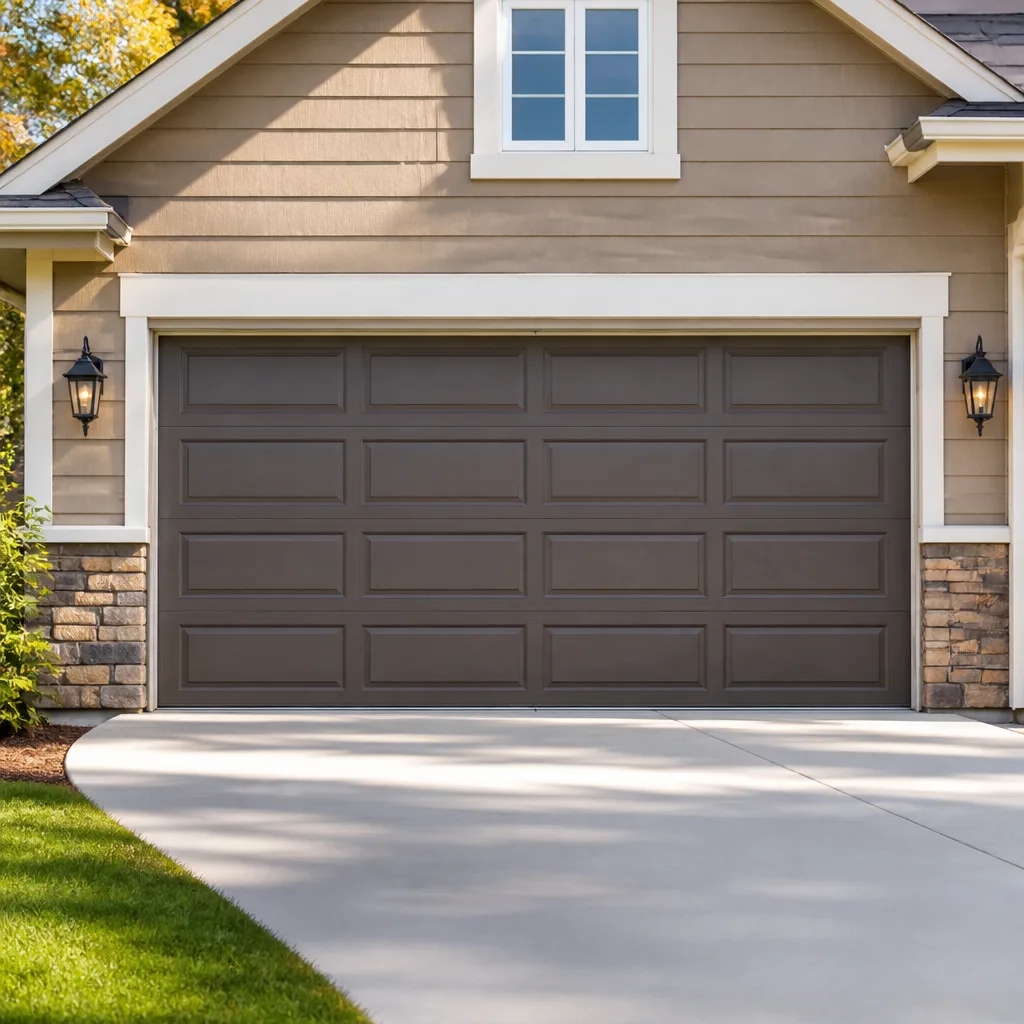 Raised-panel steel
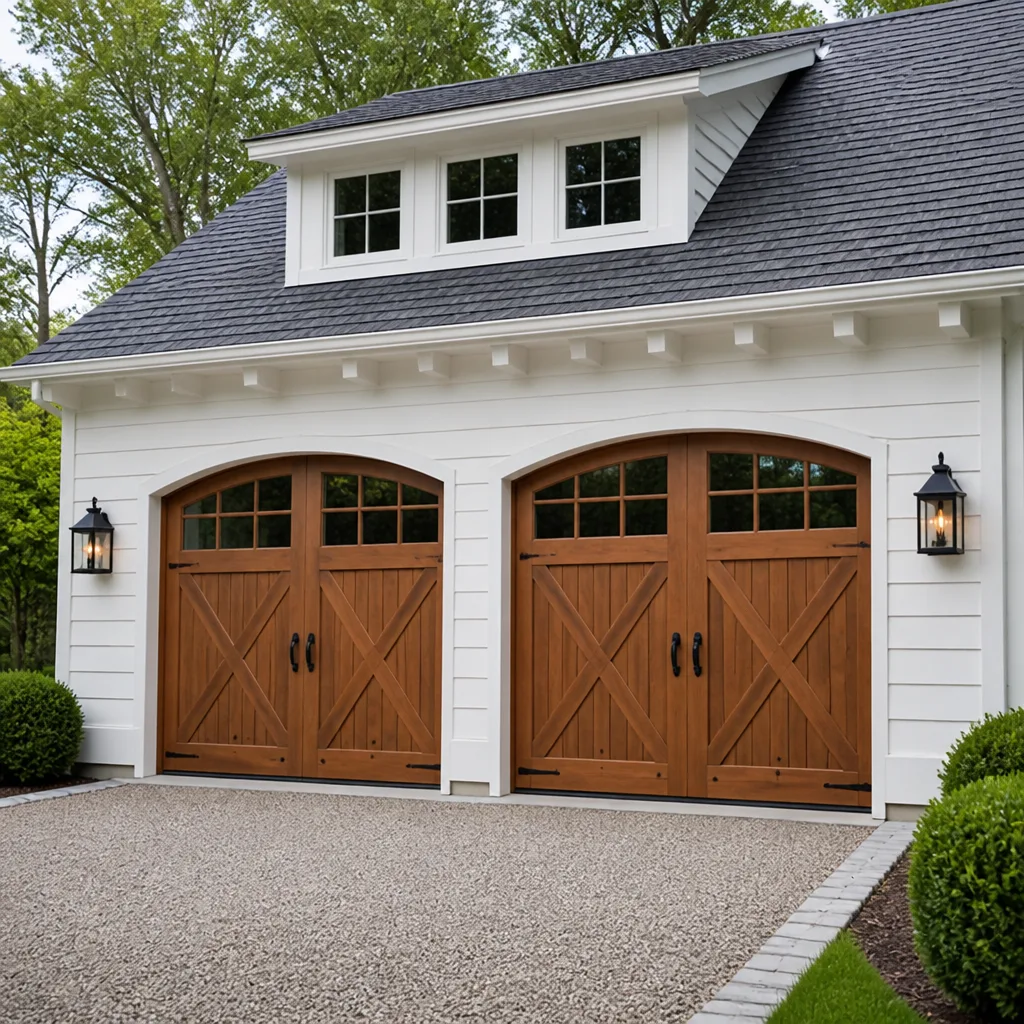 Carriage house
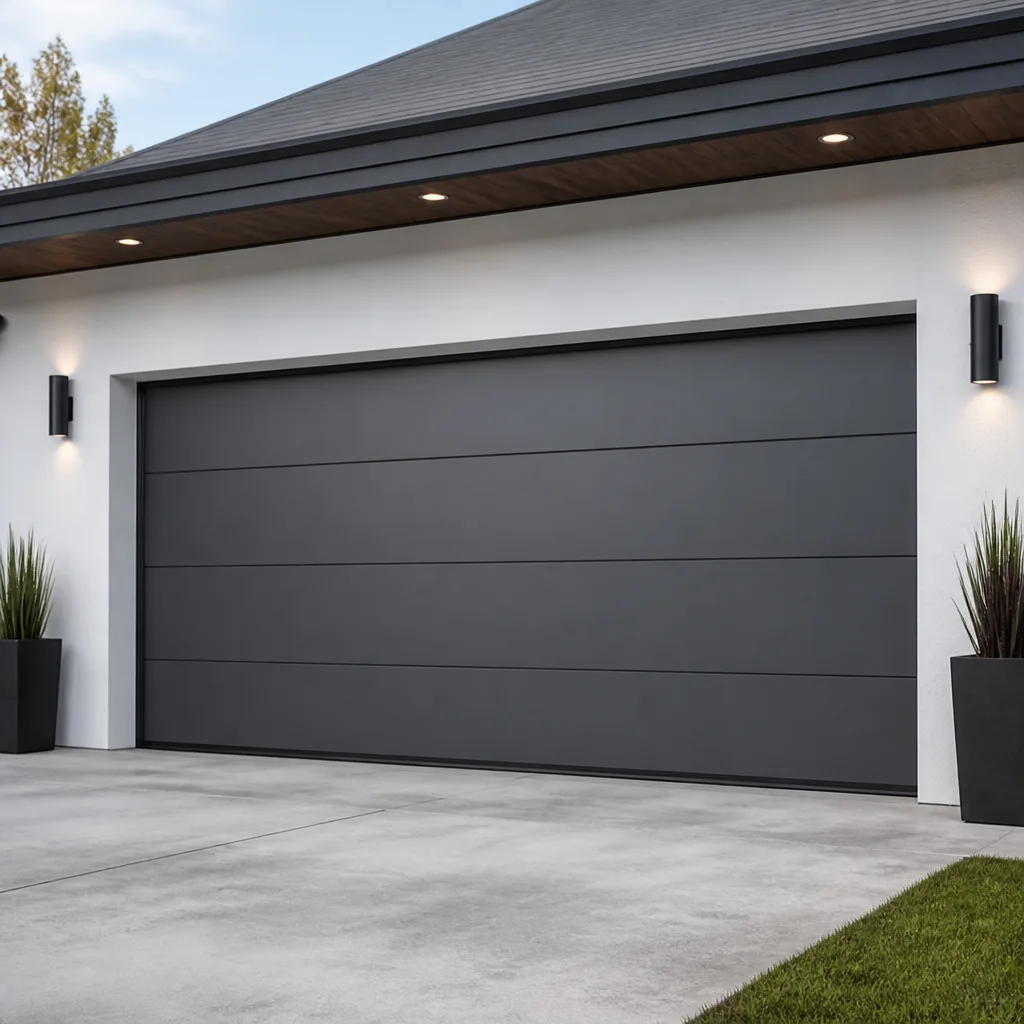 Modern flush
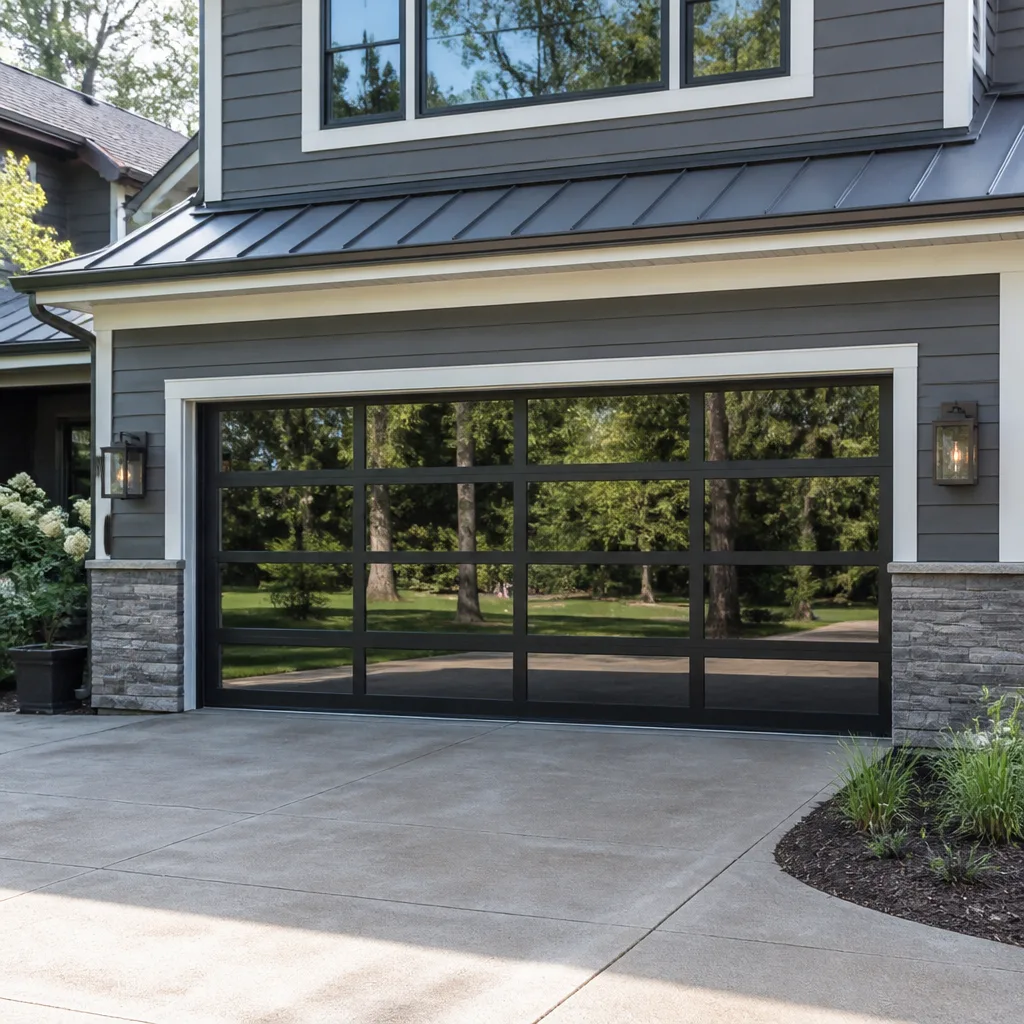 Full-view glass
 LiftMaster openers
 Chamberlain openers
Full 25-point door and opener safety check with every visit - springs, cables, rollers, tracks, and your LiftMaster or Chamberlain opener included
You get a price before we start. It does not change when the truck arrives.
Get your free estimateGarage Door Warning Signs: A Carmel Valley Homeowner’s Reference Guide
A grinding noise isn’t always bad. A silent door that’s slightly slower than last month might be the real emergency. Knowing the difference is what separates a $150 service call from a $900 spring replacement, and it’s a distinction most Carmel Valley homeowners don’t have the reference points to make. This guide teaches you pattern recognition, not just symptom listing. You’ll learn which sounds and visual cues indicate normal wear, which ones demand immediate attention, and how to triage what you see before you ever pick up the phone. We’ve built this from years of seeing how garage doors fail in Carmel Valley’s specific climate, where coastal air and canyon dust create a particular set of failure patterns you won’t find in generic online guides – though you can find more guides & resources on our blog.
Quick Answer
The garage door warning signs that matter most are changes, not sounds: a door that’s slower than it was last month, a panel that hangs slightly lower on one side, or rust streaking on cables and bottom panels. A loud grinding noise on its own is usually just worn rollers, a $40 to $80 fix, while a silent slowdown often means a spring losing tension, which runs $180 to $340 if caught early and $900 or more if it snaps and damages the door. In Carmel Valley, where salt air accelerates corrosion on hardware, checking for rust streaking on panels and cables twice a year is the single most effective early-warning habit you can adopt.
Styles & brands we work with
- Raised-panel steel
- Carriage house
- Modern flush
- Full-view glass
- LiftMaster openers
- Chamberlain openers
Table of Contents
- Sounds That Mean Something vs. Sounds That Don’t
- Visual Wear Indicators You Can Check From a Standing Position
- How to Test Opener Force Sensitivity (And Why It Matters)
- Carmel Valley-Specific: Rust Streaking and Coastal Corrosion
- Triage: Same-Week Repair vs. Schedule Within 30 Days
- What Warning Signs Look Like Across Different Brands
- Opener Warning Signs That Have Nothing to Do With the Door
- Seasonal Warning Signs in Carmel Valley’s Climate
Sounds That Mean Something vs. Sounds That Don’t
Most garage door sounds fall into three categories: normal tension noise, worn-component noise, and structural noise. The first category gets homeowners unnecessarily alarmed. Torsion springs under tension make a soft creak or “settling” sound when the door moves, especially after a temperature shift. That’s normal and harmless. A single pop when the door starts moving is usually just the panels flexing as they transition from vertical to horizontal track. These sounds have one thing in common: they’re consistent. They sound the same every time.
Worn-component noise is different. It’s grating, rasping, or squeaking that comes from a specific location on the door or track, and it gets progressively louder over weeks. Rollers with worn bearings produce a grinding sound that’s worst at the midpoint of travel, where the door accelerates. Hinges produce a sharp, metallic squeak at specific panel joints. Cable pulleys that are seizing produce a rhythmic, high-pitched squeal that matches the speed of the door. None of these are emergencies by themselves, but they’re all signals that a part is degrading and will eventually fail or transfer stress to more expensive components.
Structural noise is the one that demands immediate attention. A loud, sharp bang from above the door when it’s closed or near the top of its travel often means a spring has snapped. A deep groaning sound from the track area, especially when accompanied by the door slowing down, suggests the door is binding and the opener is working harder than it should. If the sound is new and the door’s speed has changed, that’s a red flag. In Carmel Valley homes with side-mounted openers, belt slippage can produce a distinctive “chirping” sound that mimics a failing spring; a trained ear can tell the difference, but a homeowner usually can’t, which is why we recommend calling when structural sounds appear.
Visual Wear Indicators You Can Check From a Standing Position
You don’t need a ladder to conduct most of a visual inspection. Stand inside the garage with the door closed, and look at the hardware in this order:
- Cables. Look for fraying along the length of the lift cables on both sides. A single broken strand is a warning sign; two or more broken strands means replacement is due. Cables in Carmel Valley homes near the coast often show rust staining before they show fraying, so check for both.
- Rollers. Nylon rollers should appear intact with no visible cracks. Steel rollers should be round, not oval or flattened. Worn rollers often leave fine metal dust on the track, visible as dark streaks on the vertical rail.
- Hinges. Look for cracks around the rivet points where hinges attach to panels. Hairline cracks widen over time and eventually cause the panel to sag or bind.
- Springs (visible on torsion systems). A spring that’s stretched or shows a visible gap between coils has lost tension. Rust on the spring surface is normal in coastal climates, but pitting or flaking indicates the spring is nearing failure.
- Panel alignment. Stand back and sight along the bottom edge of the closed door. A gap under one corner that’s wider than the other, or a visible bow in the door’s silhouette, means the door isn’t balanced. This is a direct symptom of spring wear or track misalignment.
Carmel Valley’s mix of coastal humidity and inland heat cycles means hardware corrodes from the outside in. A spring that looks fine from a distance can be compromised by microscopic pitting that weakens the metal. The visual rust streaking on the bottom panel, from water that wicks up from a wet driveway, is a common early indicator that the door’s internal steel frame is corroding before you’ll ever see it on the spring itself. We look for that streaking pattern on every service call in Carmel Valley because it’s a reliable predictor of future hardware failure.
How to Test Opener Force Sensitivity (And Why It Matters)
Force sensitivity is the safety mechanism that tells your opener to stop and reverse when the door encounters resistance. It’s the difference between a door that reverses harmlessly when a child’s bike is in the path and a door that crushes it. Openers are calibrated at installation, but springs lose tension over time, which means the opener has to work harder to lift the same weight. A door that seemed fine two years ago can be dangerously out of spec today without any visible symptoms.
Here’s the test, as specified by federal safety standard UL 325:
- Close the garage door. Place a 2×4 flat on the floor in the center of the door’s path (use the 1.5-inch side facing up).
- Press the wall button to close the door. The door should reverse within two seconds of contacting the 2×4.
- Test the opening force. With the door open, hold the bottom edge and try to stop it while pressing the open button. It should stop or reverse with moderate hand pressure.
- Repeat monthly. This is a 60-second check that requires zero tools and can prevent serious injury or property damage.
If your door fails either test, the most common cause is not the opener itself but the spring. A worn spring forces the opener to work harder, which overrides the force setting and creates a dangerous condition. Homeowners sometimes “fix” a failing force test by adjusting the opener’s force dial, but that treats the symptom while leaving the underlying spring problem to worsen. A door that’s properly sprung should reverse with minimal resistance. In Carmel Valley, where many homes have heavier carriage-style or insulated doors, proper spring tension is even more critical because the opener is already working against more weight than a standard door.
Carmel Valley-Specific: Rust Streaking and Coastal Corrosion
Carmel Valley sits far enough from the coast to avoid direct salt spray, but close enough that marine air reaches it on prevailing westerly winds, especially in the summer months when the fog layer pushes inland. Combined with temperature swings that create condensation cycles inside uninsulated garages, this creates a corrosion environment that’s more aggressive than inland San Diego County cities like Poway or Rancho Bernardo.
The signature warning sign is rust streaking on the door panels, typically starting at the bottom panel and working upward. The pattern looks like vertical streaks or a mottled orange-brown stain where the panel’s internal steel frame is corroding and the rust is leaching through or along the seams. This is distinct from surface rust on hardware, which you can see and feel on springs, hinges, and track brackets. Panel rust streaking means the door’s structural integrity is being compromised from the inside.
What makes this particularly relevant in Carmel Valley is that many homes were built in the 1990s and early 2000s with steel doors that are now 20 to 30 years old. Those doors were never designed for a coastal-adjacent climate, and the bottom panel is the first to go. The diagnostic sequence we see most often: rust streaking appears, the bottom panel begins to bow or crack, water enters the panel cavity, and the door becomes progressively heavier as it absorbs moisture, which accelerates spring wear. A door that’s 30 pounds heavier than its spec puts that extra load on springs, cables, and opener every cycle.
If you see rust streaking, check the hardware immediately. Rusty cables are a genuine safety issue. Springs with surface rust are still functional, but pitting or flaking means they’re close to failure. The rule of thumb: if you can scrape away a layer of rust with a fingernail and the metal underneath is rough rather than smooth, replacement is the prudent course.
Triage: Same-Week Repair vs. Schedule Within 30 Days
Not every warning sign is an emergency. Overreacting to minor issues wastes money and can lead to unnecessary work. Underreacting to serious ones can turn a $150 repair into a $900 replacement. Here’s the triage logic we use on service calls in Carmel Valley, and it’s the same framework you should use at home:
Same-week repair (call immediately)
- Cable fraying with more than one broken strand. A snapped cable can cause the door to drop unevenly and damage tracks, panels, and the opener.
- A door that’s visibly uneven when closed, or hangs noticeably lower on one side. This indicates spring or cable failure is imminent.
- Any new structural noise: bangs, sharp pops from the spring area, or deep groaning from the track.
- Opener force test failure where the door doesn’t reverse on contact. This is a safety hazard regardless of what’s causing it.
- A spring with visible gaps between coils. The spring has lost tension and is working harder than it was designed to.
Schedule within 30 days (don’t panic, but don’t procrastinate)
- Consistent grinding or squealing that’s been present for more than two weeks without any change in door speed. This is worn rollers or hinges, a straightforward fix that’s cheap now and expensive if ignored.
- Rust streaking on panels without any visible structural bowing. Corrosion is progressive; you have a window to plan for replacement before the door fails.
- A door that’s slightly slower than it used to be but still opens and closes reliably. This is often early spring wear; a $40 spring adjustment now can extend the spring’s life by months or years.
- Weather seal deterioration around the perimeter. This is a maintenance item that affects energy efficiency and keeps pests out, but it’s not urgent.
The distinction comes down to risk. Anything that involves springs, cables, or a door that’s out of balance can fail catastrophically and without warning. Anything that’s a wear item (rollers, hinges, seals) degrades gradually and gives you a planning window. If you’re not sure which category a symptom falls into, that uncertainty itself is a signal to make the call. Bluewater Garage Door Service provides free estimates in Carmel Valley, which means getting an expert assessment costs you nothing but a phone call to (833) 349-4780.
What Warning Signs Look Like Across Different Brands
Not all garage doors fail the same way. Through routine service work across Carmel Valley, we’ve observed distinct failure patterns by brand, and knowing yours helps you know what to look for – our Choosing the Right Garage Door Brand: A Buyer’s Guide for Carmel Valley covers what to consider when selecting one. A Wayne Dalton door with its signature TorqueMaster spring system, for instance, hides its spring inside a tube, meaning the visible rust or gap you’d check on a conventional torsion system isn’t visible. Instead, Wayne Dalton owners should watch for a door that’s suddenly heavier to lift manually, or an opener that sounds strained, since the internal spring gives little outward warning before it fails.
Craftsman doors and openers, common in Carmel Valley homes built through the 2000s, tend to give early warning through the opener rather than the door. The opener’s plastic drive gears are a known wear point, and the first sign is often a grinding noise that sounds like it’s coming from the motor head. Many homeowners mistake this for a door problem, but it’s specific to the opener. On the door side, Craftsman panels show rust at the bottom edge earlier than other brands because of thinner paint coating on the interior panel surface.
Raynor doors, popular in the higher-end Carmel Valley neighborhoods like the Santa Lucia Preserve area, generally hold up well but have a specific hinge wear pattern. The hinges on Raynor doors use a thinner gauge metal than the panels, so they crack before the door shows any other sign of age. Raynor owners should check hinges at the rivet points on the top panel first, since that’s where stress is highest during the transition from vertical to horizontal travel.
LiftMaster openers, which we service more than any other opener brand in Carmel Valley, give a heads-up through their diagnostic lights. A flashing arrow or error code that most homeowners ignore is often the first signal of a failing capacitor or force sensor issue. If your LiftMaster remote works intermittently but the wall button works fine, that’s usually a logic board capacitor beginning to fail, not a battery problem. These warnings matter because opener failure and door failure often look similar to a homeowner: the door stops moving. Being able to distinguish between the two saves money and prevents unnecessary door work. That’s the advantage of working with a service that handles the full system rather than just one component.
Opener Warning Signs That Have Nothing to Do With the Door
About a third of the service calls we get for “the door won’t open” in Carmel Valley turn out to be opener problems, not door problems. The symptoms overlap, but the causes and costs are completely different. Here’s how to tell them apart:
Intermittent operation. The door opens fine three times, then doesn’t respond on the fourth press. This points to the opener’s logic board, antenna, or capacitor, not the door. If the wall button always works but the remote is flaky, that’s a remote or receiver issue. If both are flaky, it’s the logic board.
The opener motor runs but the door doesn’t move. This is either a stripped gear in the opener, a broken belt or chain, or the emergency release has been pulled. If you hear a grinding or clicking from the opener head while the motor runs, that’s a stripped gear, a common failure on openers older than 12 to 15 years. Carmel Valley homes with original openers from the 2000s are reaching this age in significant numbers.
The opener reverses immediately after closing. Often misdiagnosed as a sensor problem, this is frequently a force sensitivity issue caused by a worn spring. The opener thinks it’s hit an obstacle because the door is heavier than it should be. If cleaning the sensor lenses and realigning them doesn’t fix it, the spring is the likely culprit.
The opener sounds labored. A healthy opener produces a consistent hum. An opener that changes pitch, sounds strained, or makes a vibrating noise while operating is working against resistance. The most common resistance source is spring wear. The opener is designed to carry a door that’s properly balanced; when the spring loses tension, the opener carries the extra weight itself. This can shorten opener life by years.
The full-system perspective matters here. A company that only replaces panels or only changes springs might address the immediate issue while leaving the opener to fail next month. Our approach at Bluewater Garage Door Service is repair-first and diagnostic-driven: we identify what’s actually failing before recommending any work, which means Garage Door Opener Repair in Carmel Valley doesn’t turn into a spring replacement, or vice versa. The solution should match the problem.
Seasonal Warning Signs in Carmel Valley’s Climate
Carmel Valley has two distinct weather modes: the dry season from April through October, and the wet season from November through March. Both create specific garage door stress patterns that homeowners should recognize, as detailed in our Seasonal Garage Door Care for Carmel Valley: Year-Round Homeowner’s Guide.
Summer (dry season). Heat expansion causes metal tracks and panels to swell, which can make a door that fit perfectly in spring suddenly bind in August. This is particularly true for west-facing garage doors that get direct afternoon sun. The binding is usually temporary, but repeated thermal cycling over years can permanently warp tracks or loosen mounting brackets. If your door sticks only in the afternoon but opens fine in the morning, that’s thermal expansion. If it sticks regardless of time or temperature, that’s a track misalignment.
Winter (wet season). Moisture is the enemy. Wood-frame doors absorb water and can gain 10 to 15 pounds over a wet winter, which is the equivalent of adding several bags of mulch to the door’s operating weight. Steel doors don’t absorb water, but the hardware does corrode faster during wet months, especially if the garage is uninsulated and experiences condensation cycles. The most common winter warning sign is a door that’s harder to open manually after rain, which indicates either water absorption in wood components or increased friction in coated rollers and hinges.
Year-round. The diurnal temperature swing in Carmel Valley, often 20 to 30 degrees between day and night, creates repeated condensation inside uninsulated garage spaces. That condensation is the primary driver of hardware corrosion, and it’s why we recommend checking cables and springs after the first heavy rain of the season. For more on what we see and how we approach door maintenance across the area, see our guide to Garage Door Repair in Carmel Valley.
Common Mistakes to Avoid
- Ignoring a slow door because it still opens. A door that’s 10% slower than it used to be is signaling spring wear. Waiting until it stops working completely turns a spring adjustment into a spring replacement, and possibly panel damage.
- Adjusting the opener force setting to fix a reversing door. This overrides a safety mechanism and masks the real problem. If the door was reversing on close, the force setting wasn’t the issue; the spring or tracks were.
- Lubricating a squeaking door without identifying the source. A generic spray lubricant applied over rust or metal shavings just makes a mess and provides temporary relief. The squeak is a signal, not the problem.
- Ignoring rust streaking on panels because the door still looks fine. Panel corrosion is progressive and structural. By the time it’s visible from the outside, the inside has already been degrading for months.
- Replacing the remote batteries when the opener is actually failing. Intermittent operation is rarely a battery issue if the wall button works reliably. It’s more often a logic board or capacitor.
- Taking down an older door to “fix” a hinge or roller issue. Garage doors are heavy and under tension. Removing a panel or replacing a hinge without proper training can cause the door to fall or the spring to release uncontrolled. This is a job for a trained technician, period.
- Assuming all garage door companies work on all brands. Many companies are dealer-specific and will tell you your brand isn’t supported. If you own a Clopay, Amarr, Wayne Dalton, Raynor, LiftMaster, Chamberlain, Genie, or Craftsman system, we work on it.
See the difference
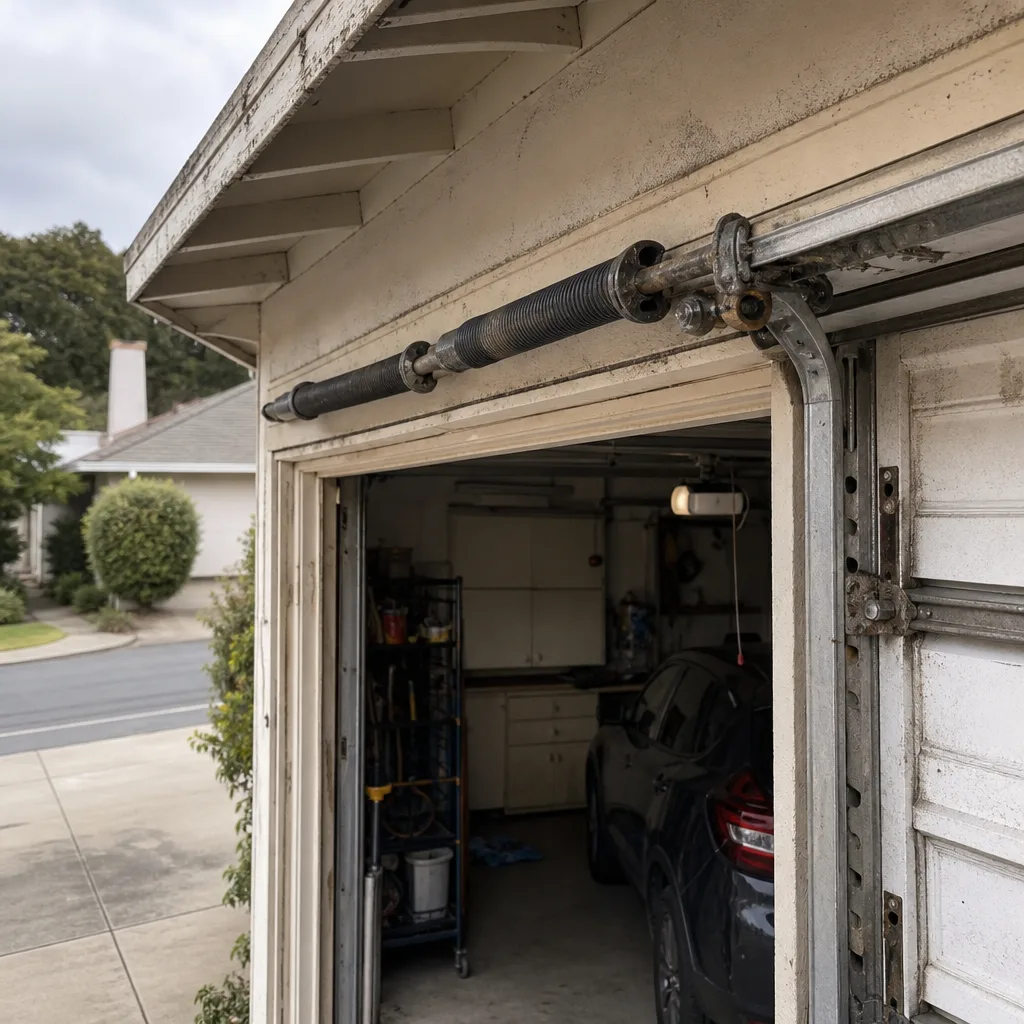 Before
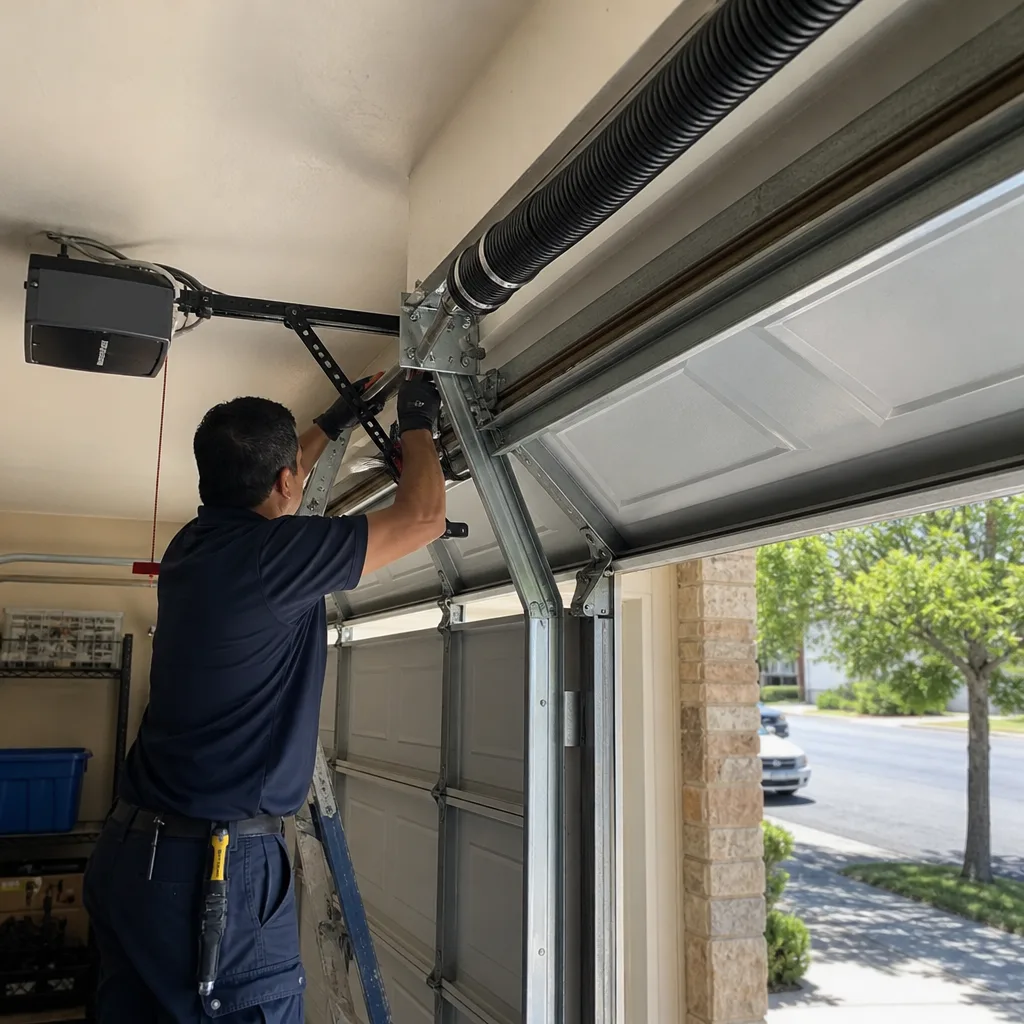 After
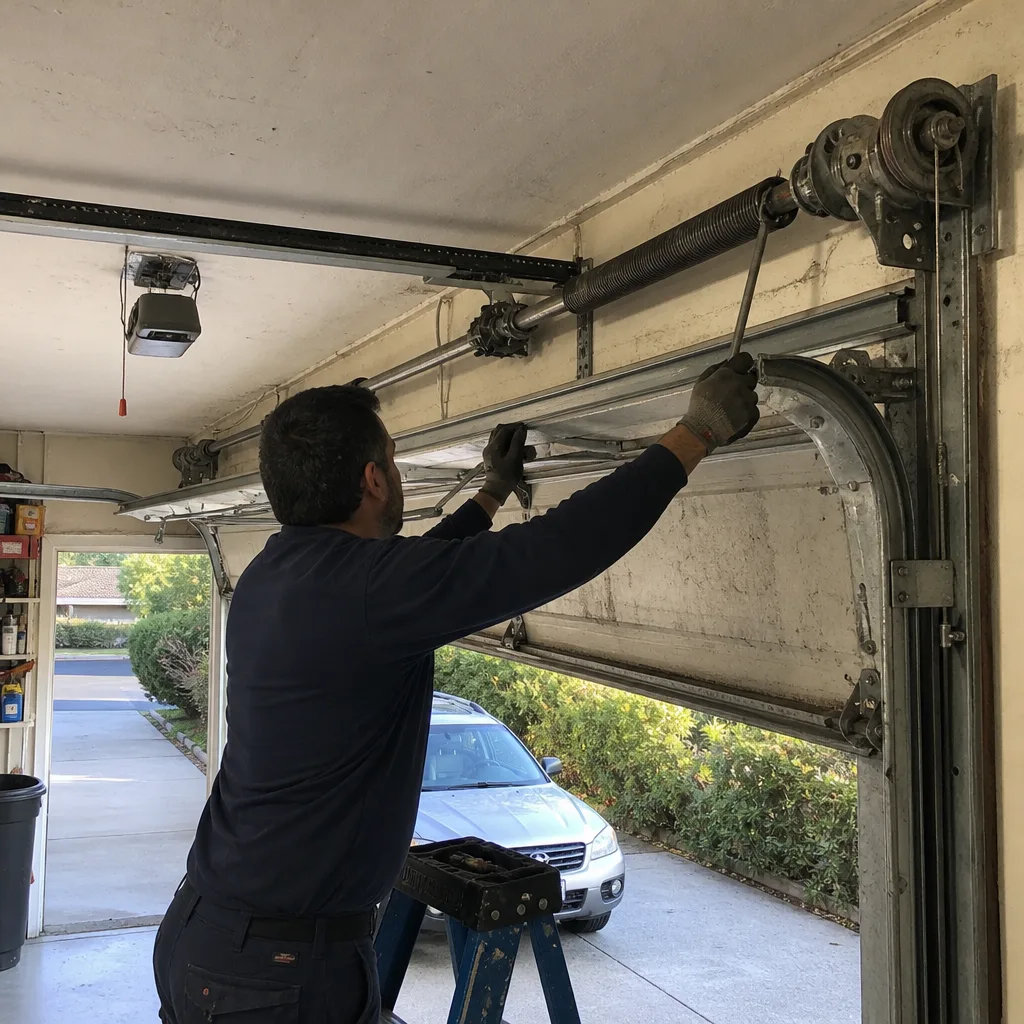 Before
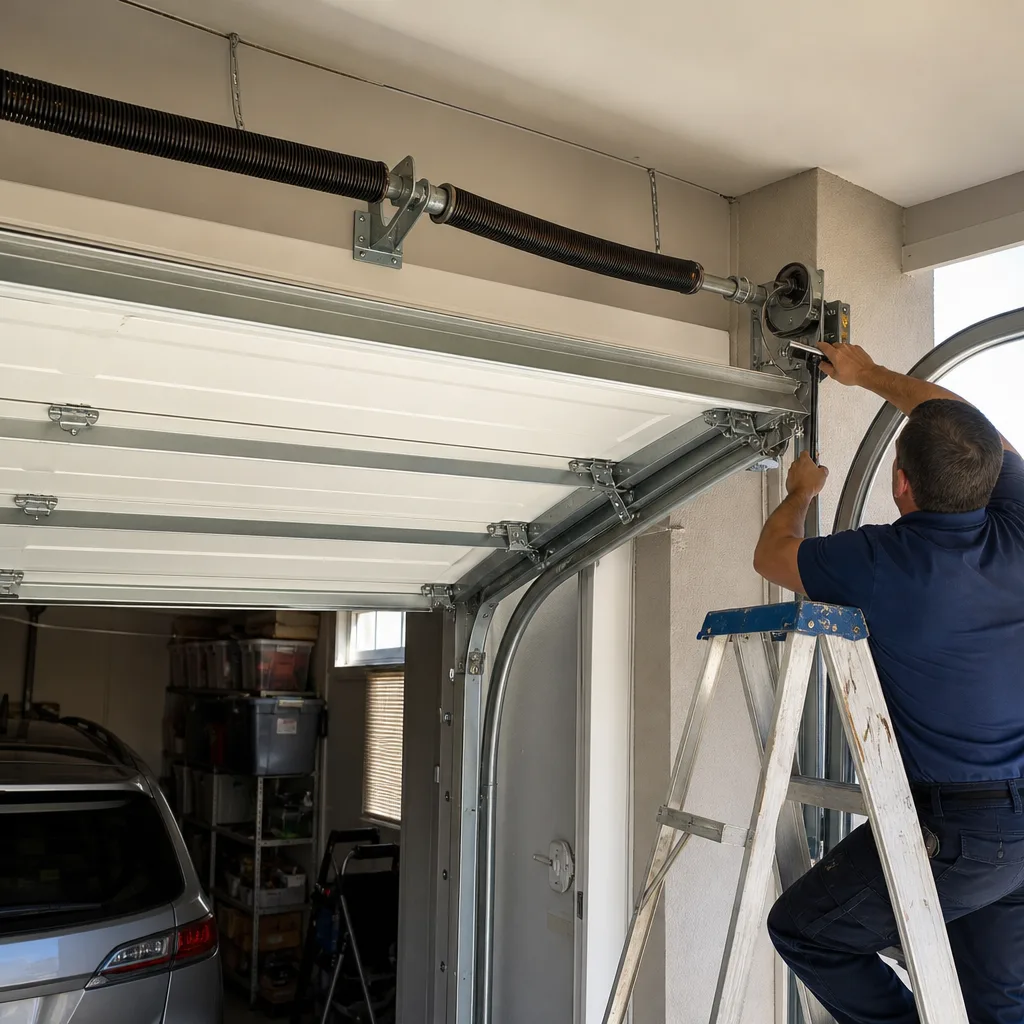 After
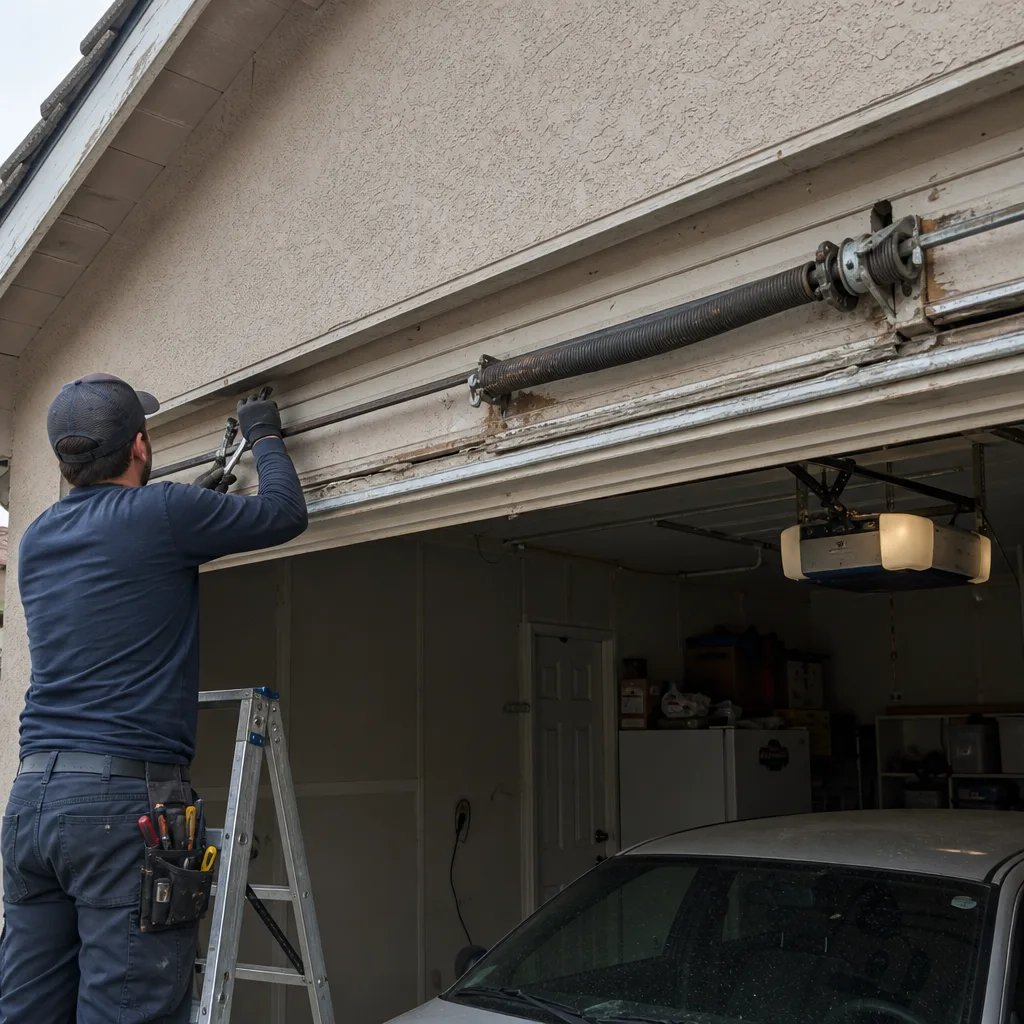 Before
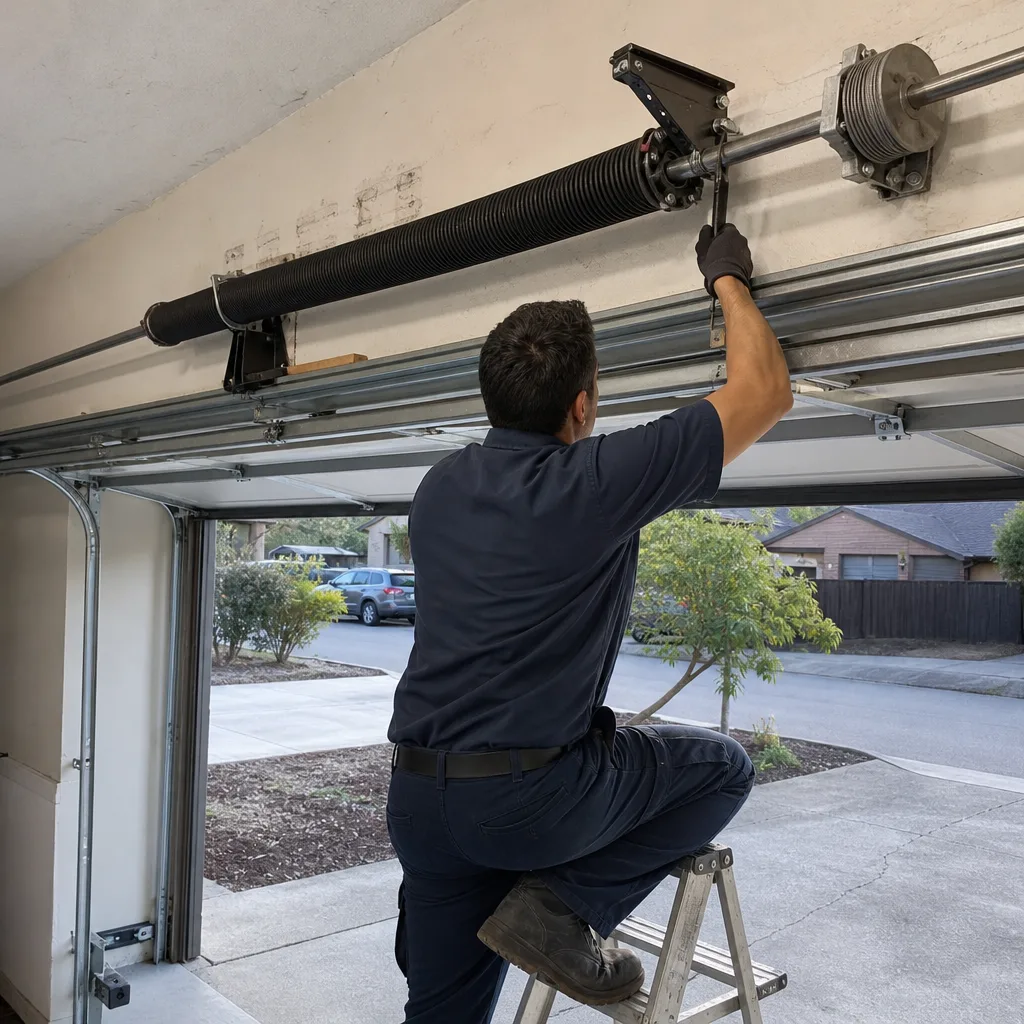 After
When to Call a Professional
Call a professional immediately if your door won’t open or close at all, if you’ve heard a loud bang or sharp pop from the spring area, if a cable has visible fraying or has come off the drum, or if your door fails the force sensitivity test described above. These conditions involve components under extreme tension or doors that are no longer balanced, and they present genuine safety risks. Also call if you’re not sure what you’re looking at: the cost of an assessment is far lower than the cost of ignoring a warning sign. Bluewater Garage Door Service offers free estimates in Carmel Valley. Call (833) 349-4780 and we’ll send a technician who works on the full system: door, spring, track, cable, and opener. One call covers it.
Frequently Asked Questions
Garage door repair in Carmel Valley typically runs $120 to $220 for common issues like roller replacement or hinge repair, $180 to $340 for spring replacement, and $150 to $400 for opener repairs depending on the part. These are service-call style estimates; the exact cost depends on the brand, the extent of the wear, and whether multiple components need attention. Call (833) 349-4780 for an exact quote. Estimates are free.
Once a year is sufficient for most homes in Carmel Valley, with an additional visual check after the first heavy rain of the winter season. Coastal-adjacent homes within two miles of the coast should consider twice-yearly checks because corrosion progresses faster. A professional inspection takes about 30 minutes and typically costs less than the repair it prevents.
No. Torsion springs are under 100 to 200 pounds of torque, and an uncontrolled release can cause serious injury or death. Even with the right tools and YouTube tutorials, the risk isn’t worth it. This is a job for a trained, insured technician, and it’s one of the few garage door repairs where we consistently recommend against any DIY attempt.
A door that reverses immediately on contact with the ground is usually responding to a force sensitivity setting that’s too high, which itself is often caused by a worn spring making the door heavier than the opener expects. Clean and realign the safety sensors first; if that doesn’t fix it, have the spring checked.
Yes. We work on LiftMaster, Chamberlain, Genie, Craftsman, and more, including smart-home systems with myQ integration. If your opener brand isn’t on that list, call us anyway: we service the vast majority of residential openers installed in Carmel Valley homes over the past 25 years.
Standard torsion springs are rated for 10,000 cycles, which translates to 8 to 12 years for a typical Carmel Valley homeowner who opens the door three to four times daily. Coastal corrosion can shorten that to 6 to 8 years for homes in the western portion of Carmel Valley. If your springs are more than 10 years old, they’re living on borrowed time, and a proactive replacement is less expensive than waiting for the inevitable snap.
The Bottom Line
Garage doors fail predictably. The warning signs are there weeks or months before a breakdown: a door that’s slower than it used to be, rust streaking on panels, a grinding sound from a specific component, a force test that fails. The difference between a $150 fix and a $900 replacement is whether those signs are recognized and addressed. Carmel Valley’s climate makes vigilance more important than in inland cities: salt air, seasonal moisture, and daily temperature swings accelerate corrosion and wear. Check your door monthly with the force test. Check cables and springs for rust and fraying twice a year. And when something looks wrong, call a professional who works on your brand, repairs before replacing, and sees the door and opener as one system. That’s how you get a clear answer and clean work, which is the whole point of the name Bluewater.
For more about what we do and how we think about garage doors, start at the Bluewater Garage Door Service home page, or see our dedicated guide to Garage Door Installation in Carmel Valley if you’re weighing repair against replacement.
Written by the team at Bluewater Garage Door Service, serving Carmel Valley since 2013.