
Last updated November 2, 2026
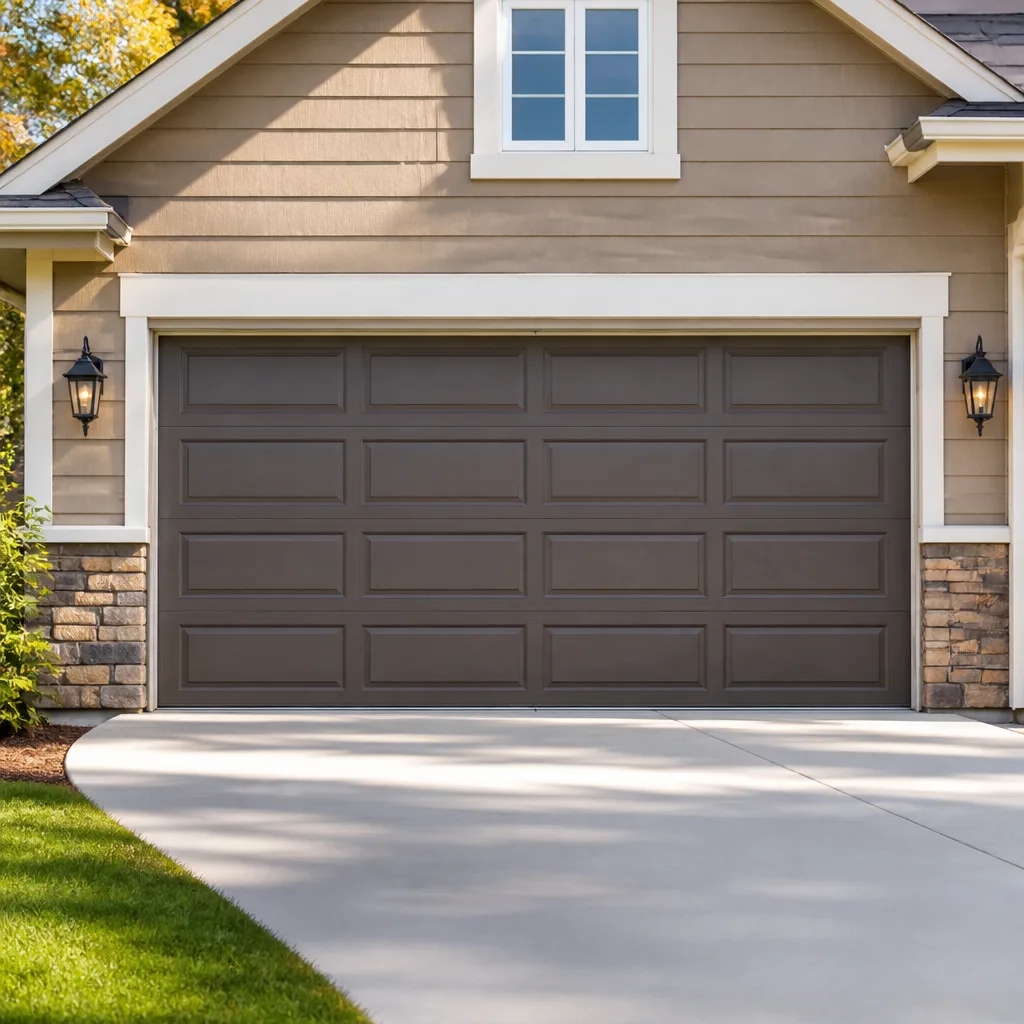 Raised-panel steel
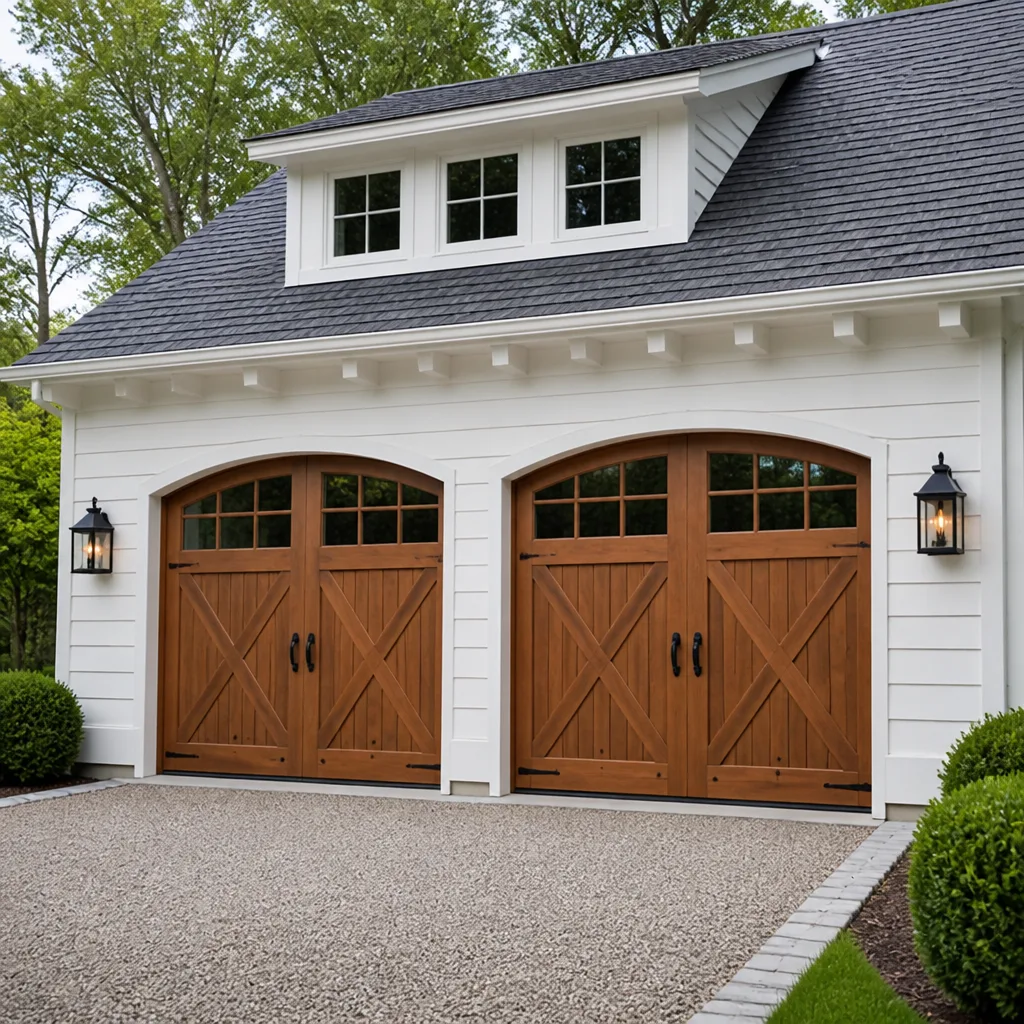 Carriage house
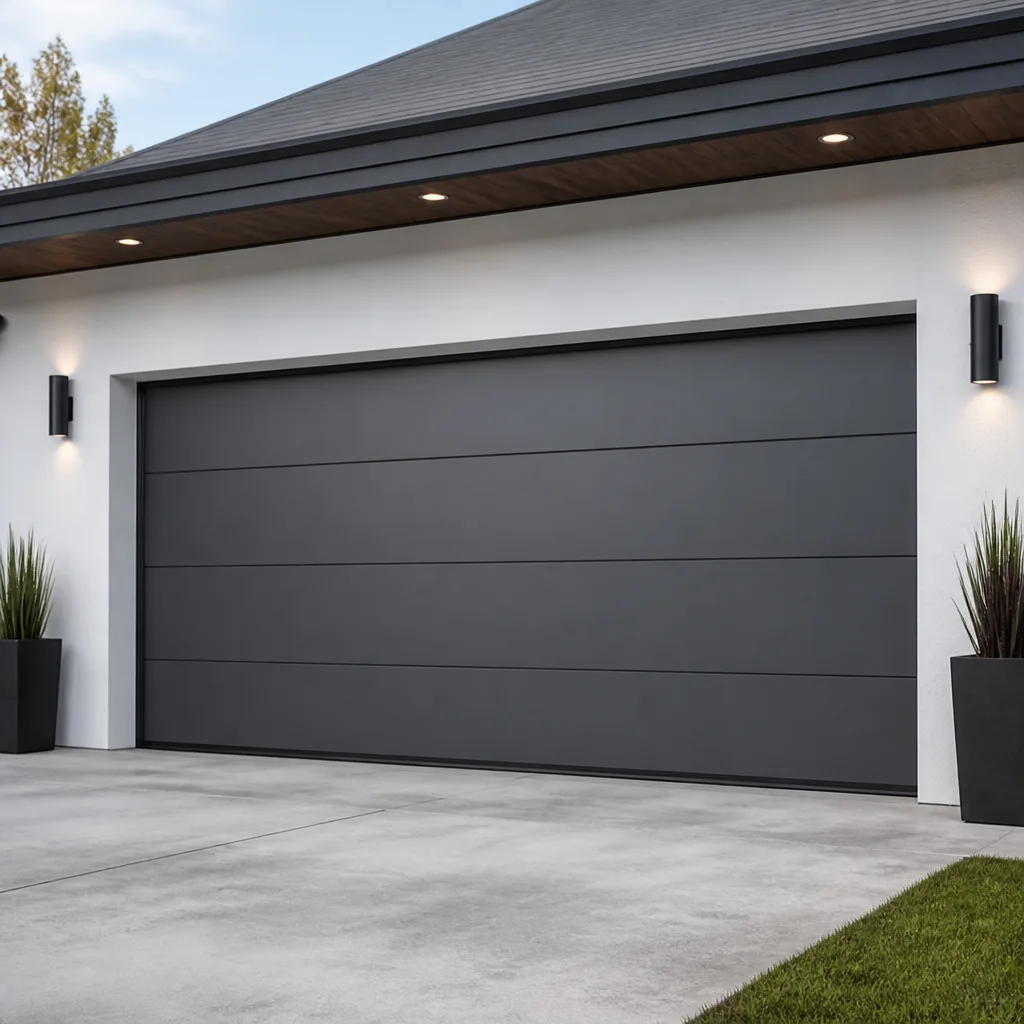 Modern flush
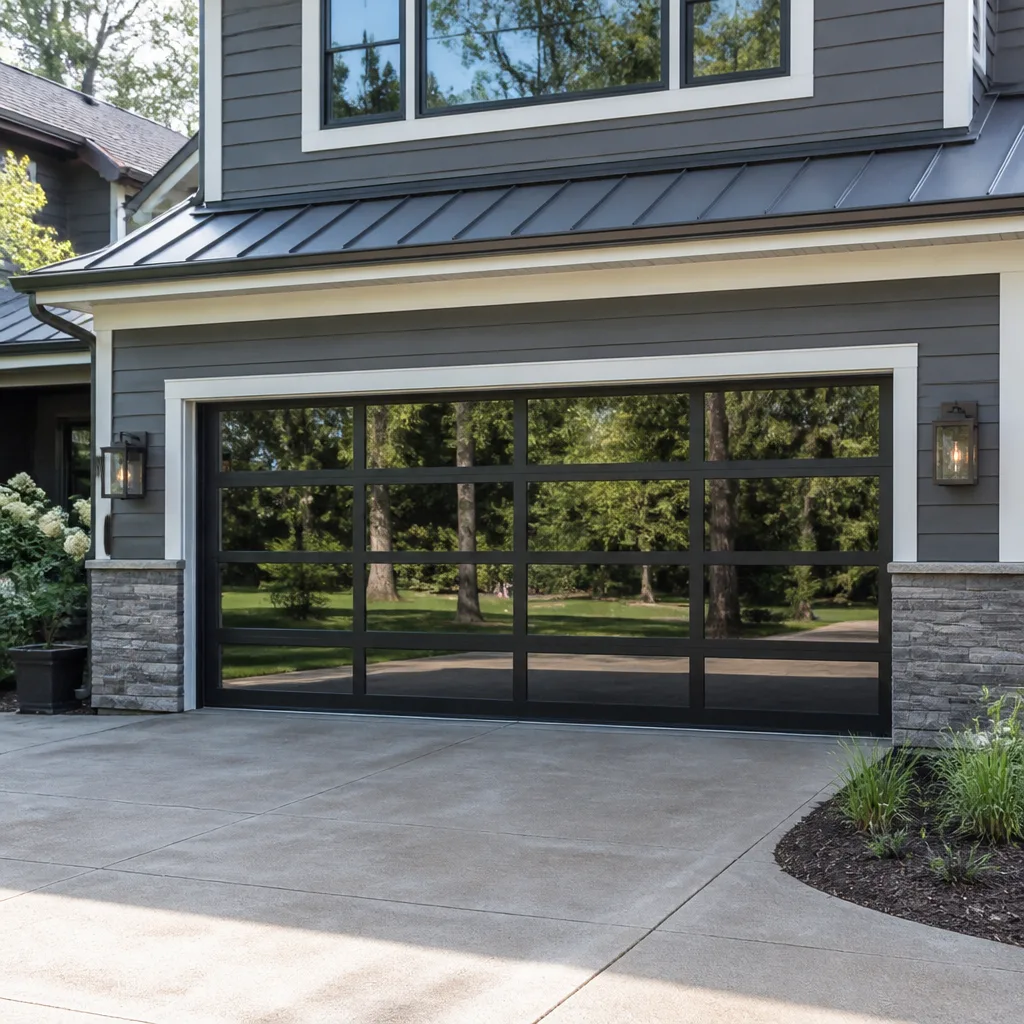 Full-view glass
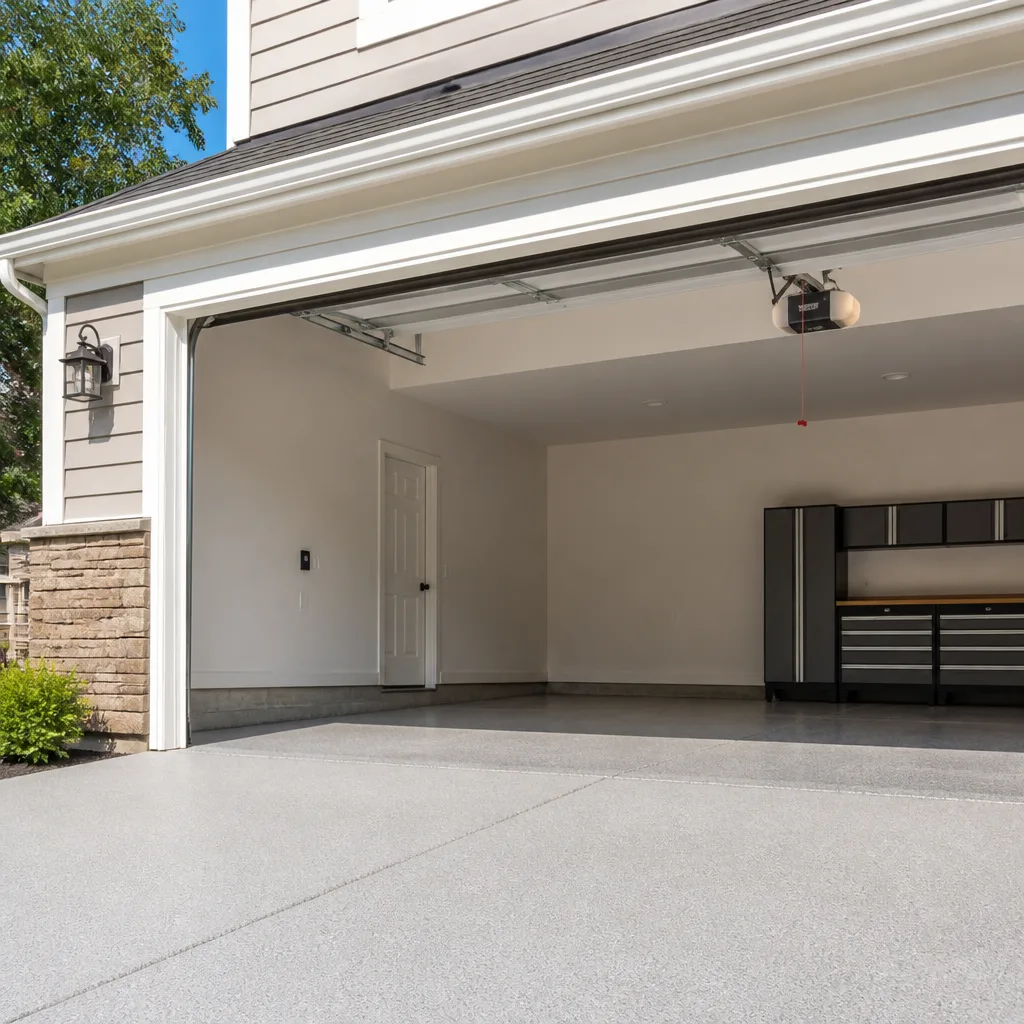 LiftMaster openers
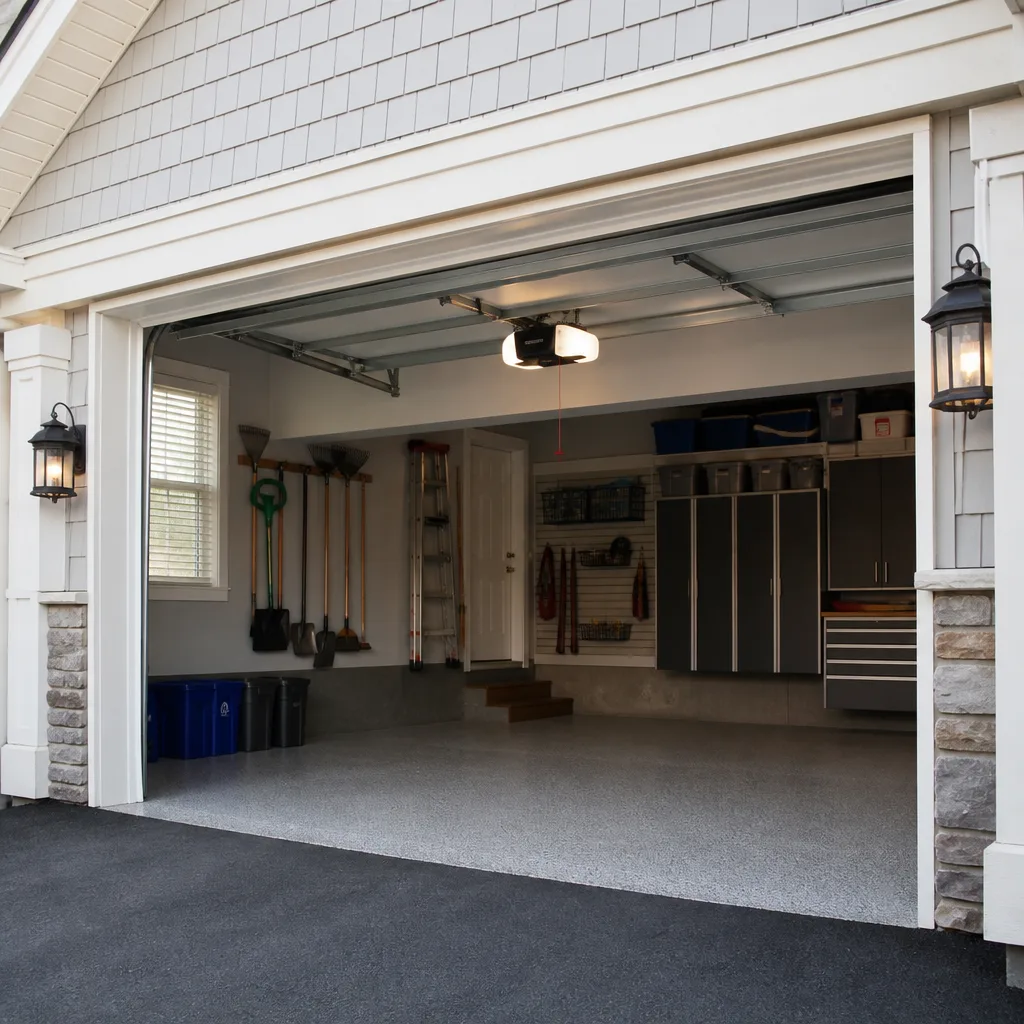 Chamberlain openers
Full 25-point door and opener safety check with every visit - springs, cables, rollers, tracks, and your LiftMaster or Chamberlain opener included
You get a price before we start. It does not change when the truck arrives.
Get your free estimateHow to Hire a Garage Door Contractor in Carmel Valley: A Step-by-Step Guide
Here’s a truth most homeowners in Carmel Valley don’t discover until it’s too late: a garage door contractor can be fully licensed, carry all the required insurance, hold 200 five-star reviews, and still be the wrong person for your job. Why? Because they only stock parts for one manufacturer, and your door was made by someone else. You’ll sit through the pitch, hear that your opener is “too old to fix,” and get steered toward a full replacement you didn’t need. This guide gives Carmel Valley homeowners a structured way to vet garage door contractors by the things that actually predict a successful repair or installation: technical competence, brand coverage, and pricing transparency. For more on keeping your door in top shape year-round, see our Seasonal Garage Door Care for Carmel Valley: Year-Round Homeowner’s Guide. You’ll learn the exact license to check, the three questions that expose order-takers, and how to read an estimate like someone who’s seen a thousand of them.
Styles & brands we work with
- Raised-panel steel
- Carriage house
- Modern flush
- Full-view glass
- LiftMaster openers
- Chamberlain openers
Quick Answer
Hiring a garage door contractor in Carmel Valley comes down to four checks: verify the California C-61/D28 license on the CSLB website, confirm the contractor works on your specific door and opener brands, ask three diagnostic questions that test technical knowledge, and read the estimate for line-item specificity before signing. Skip contractors who push replacement before inspecting, can’t name the spring type on your door, or give vague “labor and materials” quotes. A legitimate Carmel Valley garage door contractor handles repair first, works across multiple brands, and puts every dollar on paper before work begins.
Table of Contents
- Why Most Hiring Advice Fails Carmel Valley Homeowners
- Step 1: Verify the California C-61/D28 License (60 Seconds)
- Step 2: Check Multi-Brand Capability Before You Call
- Step 3: The Three Diagnostic Questions That Separate Technicians from Order-Takers
- Step 4: How to Read a Garage Door Estimate Line by Line
- Step 5: What a Legitimate Labor Warranty Looks Like
- Step 6: Get the Quote in Writing Before Work Starts
- Common Mistakes to Avoid
- When to Call a Professional
- Frequently Asked Questions
- The Bottom Line
Why Most Hiring Advice Fails Carmel Valley Homeowners
Typical contractor-hiring guides tell you to read reviews and get three quotes. That’s fine for painting a fence. It’s inadequate for a mechanical system that weighs 150 to 300 pounds, runs on high-tension springs, and cycles open and closed 1,500 times a year in Carmel Valley’s coastal air. Your garage door is the heaviest moving object in your home, and the salt-tinged humidity from the Pacific accelerates corrosion on tracks, hinges, and spring hardware in ways that inland homes never experience. A contractor who only sees doors from one manufacturer may not recognize the failure pattern on your Raynor door or your LiftMaster opener. Reviews don’t tell you that. Multiple quotes don’t tell you that. The process below does.
Carmel Valley sits close enough to the coast that steel components develop surface rust faster than they would ten miles inland in, say, Rancho Bernardo. This means the typical failure you’ll encounter is a spring that snapped from corrosion fatigue, not a panel that’s dented. A contractor who arrives with a truck stocked for the latter wastes your time and your service call fee. The vetting process that follows is built for this reality.
Step 1: Verify the California C-61/D28 License (60 Seconds)
In California, garage door work requires a specific contractor license classification: C-61/D28. That’s the Door and Gate specialty classification under the Contractors State License Board. A general contractor’s license (Class B) does not authorize the holder to perform garage door repair or installation as a standalone trade. A handyman with no license at all can legally accept small projects in California, but garage door work exceeds the handyman exemption threshold because it involves structural components and high-tension hardware. Hiring an unlicensed person to service your garage door in Carmel Valley exposes you to liability if the door falls, the spring snaps during adjustment, or the opener shorts out.
Verification takes about a minute:
- Go to cslb.ca.gov and click “Check a License.”
- Enter the contractor’s name or license number.
- Confirm the classification reads “C-61/D28” or “Door and Gate” alongside their business name.
- Check the license status is “Active” and that the expiration date hasn’t passed.
- Scroll to the bottom and verify there’s no workers’ compensation suspension if the contractor will have employees on your property.
This step is not optional. In our experience working with garage door repair in Carmel Valley, we’ve seen homeowners who skipped the license check end up with storm-chaser crews that weren’t authorized to work in California at all. The CSLB exists specifically to protect you from this. Use it.
Step 2: Check Multi-Brand Capability Before You Call
Here’s the filter that eliminates half of all contractors in Carmel Valley before you even pick up the phone: ask which brands they carry parts for. The answer tells you whether you’re talking to a service company or a dealer with a service department.
Dealers represent one manufacturer. If a Clopay dealer arrives at your home and finds an Amarr door, one of two things happens: they tell you the door needs replacing because they can’t get the compatible panel, or they install a mismatched section that’s visibly off. Neither is honest repair. A service-first contractor with multi-brand coverage takes a different approach. They arrive with the diagnostic mindset of “what’s failing here and what’s the most economical fix,” not “how do I convert this service call into an equipment sale.”
For Carmel Valley homeowners, this matters more for repairs than for complete installations. If you’re replacing the entire door, a single-brand dealer is fine, assuming you want that brand. But if your Genie opener is grinding, your Chamberlain belt is stretched, or your Raynor torsion spring has rusted through from coastal moisture, you need a contractor who works on that brand regularly. The right answer to “Which brands do you service?” is a list that includes your brand, stated clearly and without hesitation. Bluewater Garage Door Service works on eight of the most widely installed residential brands: LiftMaster, Chamberlain, Genie, Clopay, Amarr, Wayne Dalton, Craftsman, and Raynor. That breadth means a Carmel Valley homeowner with a 2014 Raynor door and a myQ-connected LiftMaster opener doesn’t need to call two different companies. One call covers it.
When you call, ask this verbatim: “Do you stock parts for [your brand] on your truck?” A contractor who says “we order parts as needed” can still be competent, but you’ll wait through a second appointment. A contractor who carries common springs, rollers, and opener components for your brand can typically finish the job in one visit.
Step 3: The Three Diagnostic Questions That Separate Technicians from Order-Takers
You can’t evaluate a garage door contractor’s technical skill by reading reviews. You evaluate it by asking questions that have objectively right answers. Here are three questions that expose whether the person on the other end of the phone understands garage door systems or is just reading from a call script.
Question 1: “What type of springs does my door have?”
If you can describe your garage door setup over the phone, a knowledgeable contractor will ask follow-up questions to determine whether you have torsion springs (mounted horizontally above the closed door on a metal shaft) or extension springs (stretched along the horizontal tracks on either side). This isn’t trivia. Torsion springs and extension springs require different tools, different parts, and different safety procedures. A contractor who doesn’t ask, or doesn’t know the difference, should not be adjusting either type.
Question 2: “Will you diagnose the opener before recommending replacement?”
Openers fail for many reasons that have nothing to do with the motor. A stripped gear, a worn capacitor, a failed logic board, a misaligned safety sensor. Each has a different repair cost, and most are far cheaper than a new opener. A contractor whose default answer is “you need a new opener” without inspecting the unit is selling you a product, not solving a problem. The right answer sounds something like this: “We’ll diagnose the opener first. If the motor is still good and the failure is a gear or a board, we’ll quote the repair and you decide.” That’s the repair-first philosophy that protects your budget. Garage door opener repair in Carmel Valley frequently resolves issues that a replacement quote would have cost four times more.
Question 3: “Can you work on my smart-home opener’s connectivity?”
Modern openers are part of a home’s network. LiftMaster and Chamberlain units with myQ integration, for example, depend on Wi-Fi connectivity, phone apps, and sometimes hub devices. If your opener won’t respond to the app but works fine with the wall button, that’s a connectivity issue, not a mechanical one. A genuinely knowledgeable contractor can troubleshoot both the mechanical door system and the smart-home opener ecosystem, because the full system matters. The contractor who says “that’s an IT problem, call your internet provider” has just told you they only understand half the job. The full system includes the springs, cables, tracks, panels, motor, gear assembly, logic board, and smart connectivity. Hire someone who can navigate all of it.
Step 4: How to Read a Garage Door Estimate Line by Line
Most estimates you’ll receive in Carmel Valley fall into two categories: the one-line quote (“replace spring: $389”) and the vague paragraph (“complete repair of garage door including all labor and materials: $1,200”). The first is too thin to protect you. The second is written to obscure what you’re actually paying for. A legitimate estimate is line-itemized and specific enough that a stranger could understand exactly what work is proposed.
Here’s what a legitimate estimate should contain:
- Specific part names and quantities. “One right-wind torsion spring, .225 wire diameter, 2″ ID, 24″ length” is a real quote. “Springs” is not.
- Labor broken out from materials. This lets you compare labor rates across contractors and identify unreasonable markups on parts you can look up yourself.
- The exact opener model if replacement is proposed. A quote that says “new opener installed” without stating the model and horsepower is incomplete. You have a right to know whether you’re getting a belt-drive Chamberlain or a low-end chain-drive that’s louder than your current unit.
- Disposal and haul-away fees as a separate line. If the job includes removing an old door or opener, this fee should appear explicitly rather than being folded into “materials.”
- The warranty period for both parts and labor. If the estimate doesn’t state warranty terms, ask for them in writing. More on this below.
Red flags to watch for:
- “Miscellaneous” or “shop supplies” charges without explanation.
- A labor total that’s suspiciously low paired with a materials total that’s suspiciously high – this often means you’re being overcharged on parts.
- An estimate that only quotes replacement and doesn’t list the repair option. If the contractor won’t tell you what the repair costs, they’re a salesperson, not a technician.
- A verbal estimate with no written document. If it isn’t on paper, it doesn’t exist.
For Carmel Valley homeowners, one question resolves most estimate anxiety: “Will the final price match this quote?” The answer should be an unqualified yes, with the caveat that hidden damage discovered during the job will be communicated and quoted separately before additional work begins. If a contractor hesitates on that question, keep looking.
Step 5: What a Legitimate Labor Warranty Looks Like
Warranties on garage door work come in two layers: the manufacturer’s warranty on parts and the contractor’s warranty on labor. Most homeowners read “warranty included” and stop. That’s a mistake, because the structure of the warranty tells you whether the contractor stands behind their work or shifts liability back to you the moment the truck leaves the driveway.
A legitimate labor warranty has these characteristics:
- A stated duration. “One year on labor” or “90 days on labor” is clear. “We back our work” with no timeframe is not.
- Coverage for the work performed. If the spring the contractor installed snaps in six months because it was installed incorrectly, the labor warranty covers replacement labor. The part itself falls under the manufacturer’s warranty, if applicable.
- Transferability or non-transferability stated upfront. If you’re selling your Carmel Valley home, it’s useful to know whether the warranty conveys to the buyer.
Warranty structures that should make you pause:
- Warranties that require the homeowner to disassemble anything. If the warranty says “valid if the homeowner adjusts the spring tension quarterly,” that’s liability transfer disguised as maintenance guidance. No homeowner should be adjusting high-tension springs, period.
- Warranties that are voided by “normal wear and tear.” If the contractor defines everything that could go wrong as normal wear, the warranty covers nothing.
- Warranties that don’t cover labor on warranty parts. A common arrangement: the part is free under the manufacturer’s warranty, but you pay labor again to have it installed. This is standard practice with some brands, but a contractor should tell you this explicitly rather than burying it.
Ask this question when you’re reviewing an estimate: “If this spring breaks in eight months, what do I pay to have it replaced?” The answer should be specific. A specific answer tells you the contractor has thought through their warranty obligations. A vague “we’ll take care of you” doesn’t.
Step 6: Get the Quote in Writing Before Work Starts
The final step in the Carmel Valley hiring process is the simplest and the most frequently skipped: get the quote in writing and agreed before any work begins. Every reputable contractor works this way. The price is quoted, the homeowner approves it, and work proceeds. There’s no ambiguity about what the job costs, and there’s no scenario where the invoice at the end surprises you.
This matters more for garage doors than for other home services because the scope can change mid-job. A spring replacement can reveal a cracked pulley or a failing bearing plate. A panel repair can expose rust damage to the track system. When that happens, the contractor should stop work, explain what was found, and get approval on the additional cost before proceeding. That’s the operational transparency the whole process is built around.
For garage door installation in Carmel Valley, the written quote serves an additional purpose: it locks in the door model, size, insulation R-value, window options, and hardware finish. An installation quote that just says “new garage door: $3,400” without specifying these details doesn’t tell you what you’re buying. Line-item specificity is the difference between getting the door in the showroom and getting the door in the catalog.
Common Mistakes to Avoid
- Hiring on price alone. The contractor who quotes $89 for a spring replacement is either using salvaged parts, skipping the license, or planning to upsell you on something else the moment they arrive. Carmel Valley is not a cheap-service market, and garage doors are not a place to experiment with bargain labor.
- Skipping the license check. The CSLB website exists for this purpose. Skipping it because “the guy seemed nice” is how homeowners end up with unlicensed work, no recourse, and a door that falls off its tracks two weeks later.
- Assuming all openers are universal. They aren’t. A Chamberlain logic board doesn’t pair with a Genie motor, and a LiftMaster wall console won’t control a Craftsman opener. If a contractor tells you “all openers are basically the same,” they’ve just admitted they don’t work on enough brands to know the difference.
- Accepting a verbal estimate. If it isn’t written, it doesn’t exist. This applies to the initial quote, change orders during the job, and warranty terms.
- Replacing a door when a panel repair would work. A dented bottom panel does not require a new door. A cracked top section does not require a new door. Contractors who push full replacement on repairable damage are maximizing revenue, not serving the homeowner.
- Ignoring the opener when hiring for door work. Your garage door system has two halves: the mechanical door and the opener. A contractor who only knows doors will send you to someone else when the opener fails. A contractor who handles both resolves the full system in the same visit. Bluewater Garage Door Service home covers the complete assembly, from torsion springs to smart-home opener connectivity.
- Not confirming same-brand compatibility for replacement panels. Garage door panels are not universal. A Clopay panel will not seamlessly match an Amarr door, even if the dimensions are identical and both are white. The tell is the embossing pattern and the edge profile. If a contractor offers a “universal” panel, run.
When to Call a Professional
Some garage door issues are safe to inspect yourself: a door that’s off track but resting on the floor, a remote with a dead battery, a photo eye sensor that’s visibly dirty. Others are not. If your torsion spring has snapped, you’ll hear it, usually as a bang that sounds like a gunshot from inside the house. Do not attempt to replace or adjust it yourself. Torsion springs hold an enormous amount of energy, and releasing that energy incorrectly can cause serious injury. The same applies to bottom cables under tension. Carmel Valley homeowners dealing with a door that won’t open, a snapped cable, a spring that’s visibly separated, or an opener that’s making grinding noises should call a professional immediately. For a deeper look at common failures and fixes, read The Complete Garage Door Repair Guide for Carmel Valley Homeowners. Bluewater Garage Door Service offers free estimates in Carmel Valley, call (833) 349-4780 for an exact quote, estimates are free.
Frequently Asked Questions
Garage door spring replacement in Carmel Valley typically runs between $180 and $340 for a standard torsion spring, depending on wire gauge and door weight, with most jobs completed same-day. Coastal humidity accelerates spring corrosion in this area, so expect to pay toward the higher end if both springs need replacing or if the installer recommends upgrading to an oil-tempered or galvanized spring. Call (833) 349-4780 for a specific quote on your door.
Most residential garage door replacements in Carmel Valley do not require a city permit when they involve swapping an existing door for a new one of the same size and structural classification, but structural modifications, new openings, or changes to load-bearing headers may trigger review. Confirm with the city’s building department if your project involves anything beyond a direct replacement, and your contractor should raise permit concerns proactively if they apply to your job.
For emergency repairs like snapped springs or a door that won’t close, many Carmel Valley contractors offer same-day dispatch, and you’ll get the fastest response by calling first thing in the morning before routes fill up. Non-emergency work like new door installations or opener upgrades is typically scheduled for a later date because the work requires measurement, parts ordering, and a dedicated appointment block. Call (833) 349-4780 to check availability.
The price should not change unless the technician discovers hidden damage that genuinely changes the scope of work, and even then, the additional cost must be quoted and approved before proceeding. A written estimate with specific line items protects you against price creep, and any contractor who quotes one price over the phone and a different one on-site without explanation is not working transparently.
Service-oriented contractors in Carmel Valley stock common parts on the truck, including torsion and extension springs in multiple sizes, rollers, hinges, cables, and opener components like gears, capacitors, and logic boards for major brands like LiftMaster and Chamberlain. This enables single-visit repairs for the most common failures. Contractors who don’t stock parts will quote the job, order parts, and return for a second appointment, which extends your downtime.
Ask the contractor directly which brands they carry parts for and how often they service that brand, then listen for specificity in the answer. A qualified contractor names your brand without hesitation, describes common failure patterns for that manufacturer, and carries compatible components. A contractor who hedges, says “they’re all the same,” or starts steering you toward replacement is telling you they don’t have brand coverage for your equipment.
The Bottom Line
The right garage door contractor for a Carmel Valley home is not the one with the most reviews or the lowest quote. It’s the contractor who verifies their license, names your brands without hesitation, answers technical questions with direct answers, writes an estimate that itemizes every dollar, and stands behind their labor with a warranty you can actually read and understand. That’s the standard, and it’s the standard we hold ourselves to at Bluewater Garage Door Service. Whether your Raynor door needs a spring, your LiftMaster opener needs a logic board, or you’re ready to replace the whole system with a new Clopay installation, one call covers it. Explore more guides & resources from our team. Clear answer, clean work, and a written quote before anything gets touched.
Written by the team at Bluewater Garage Door Service, serving Carmel Valley since 2013.
See the difference
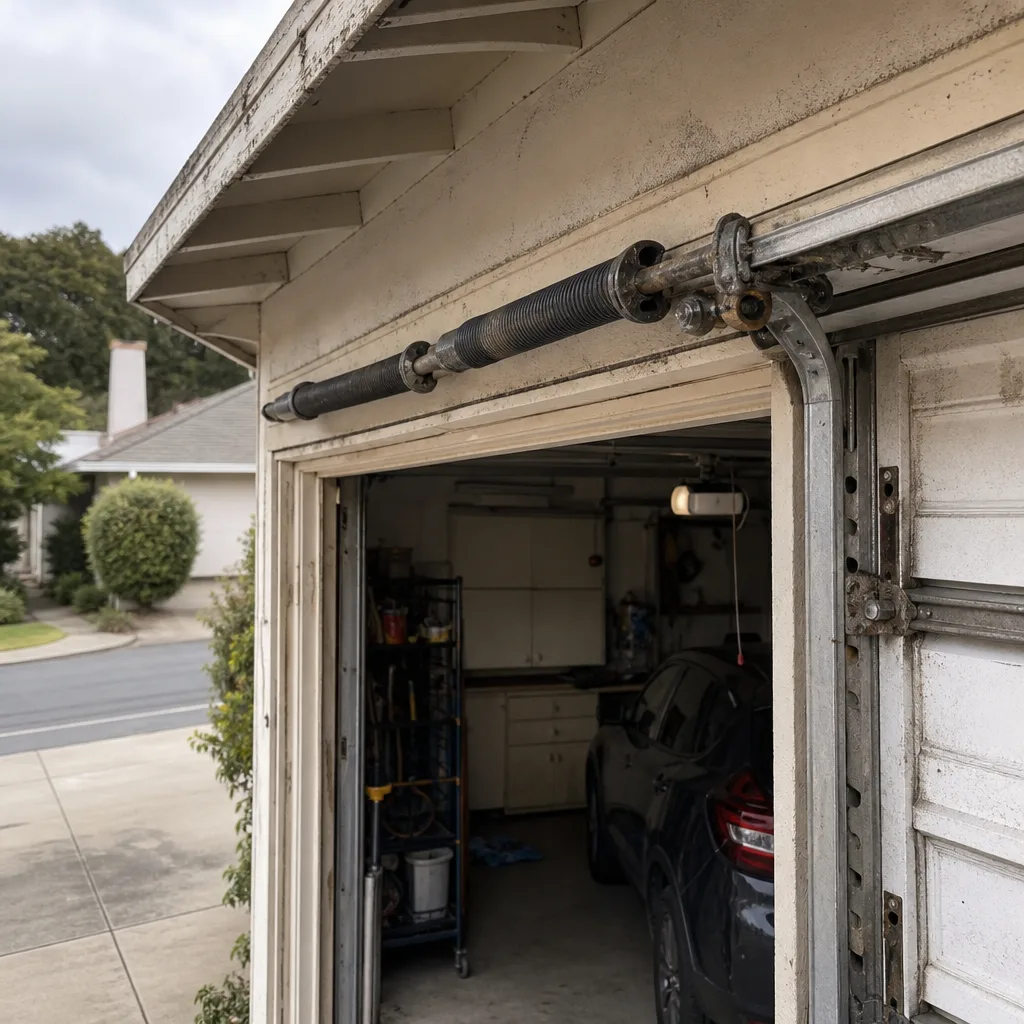 Before
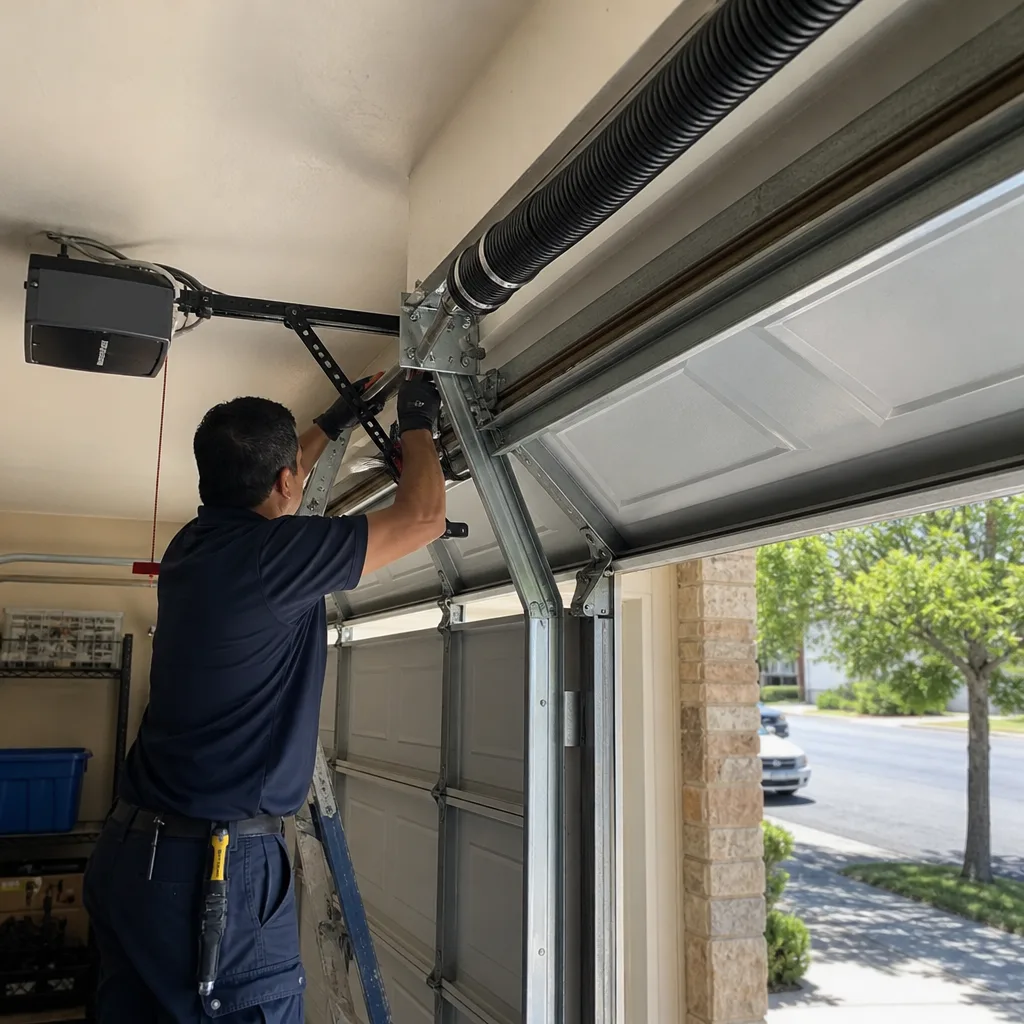 After
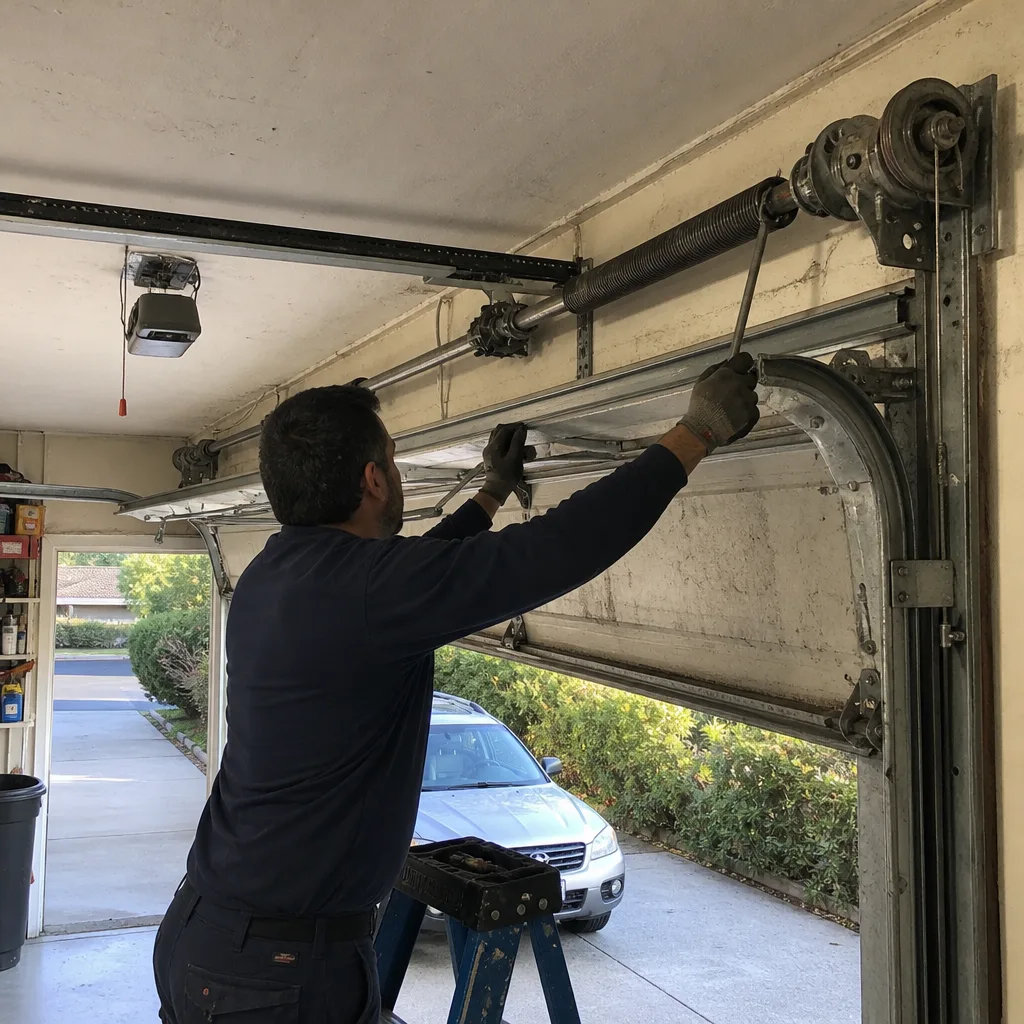 Before
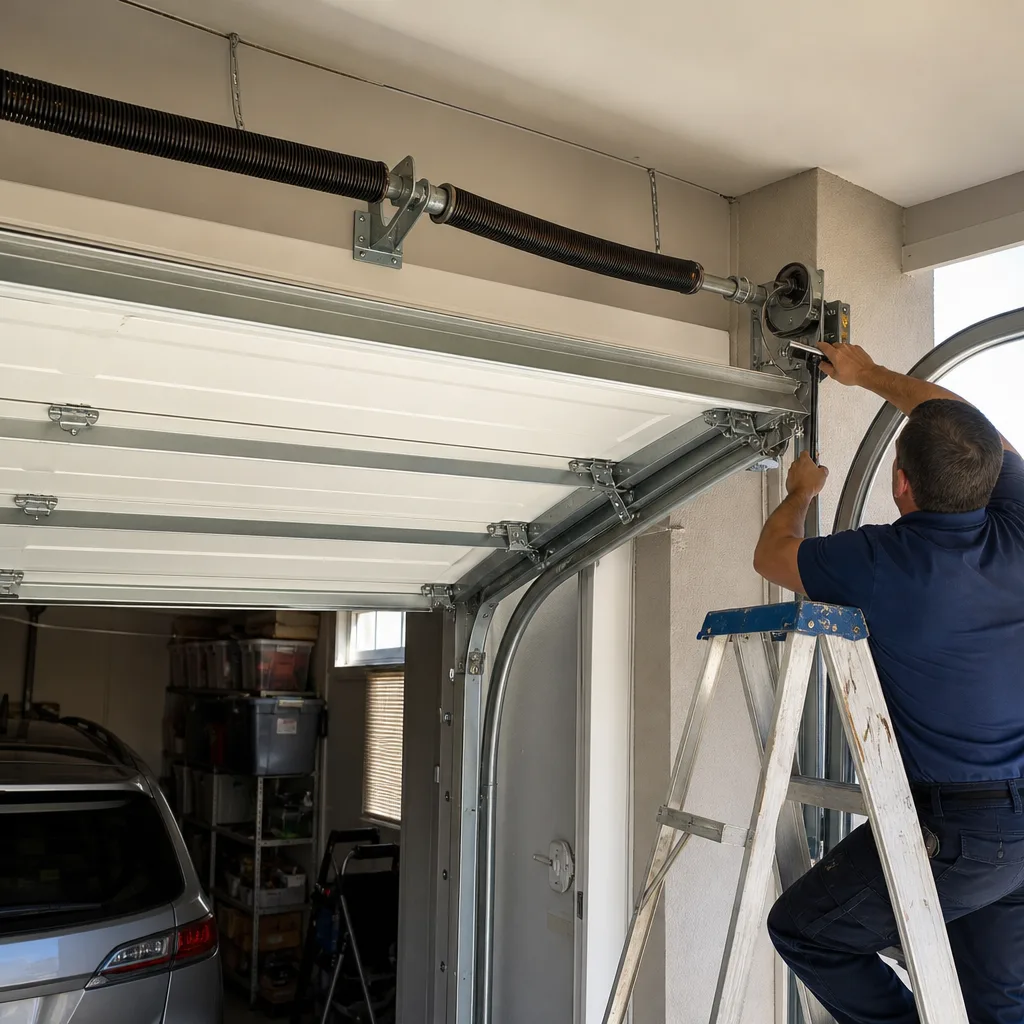 After
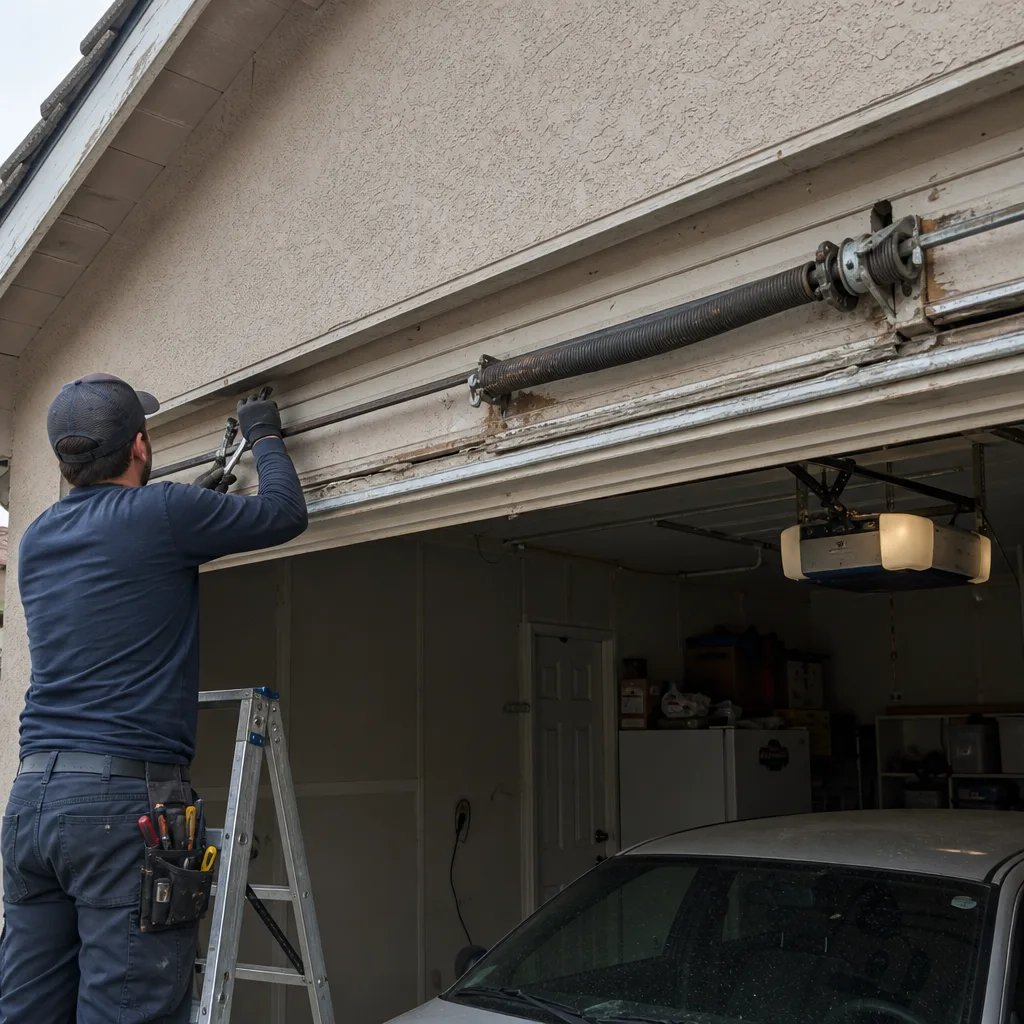 Before
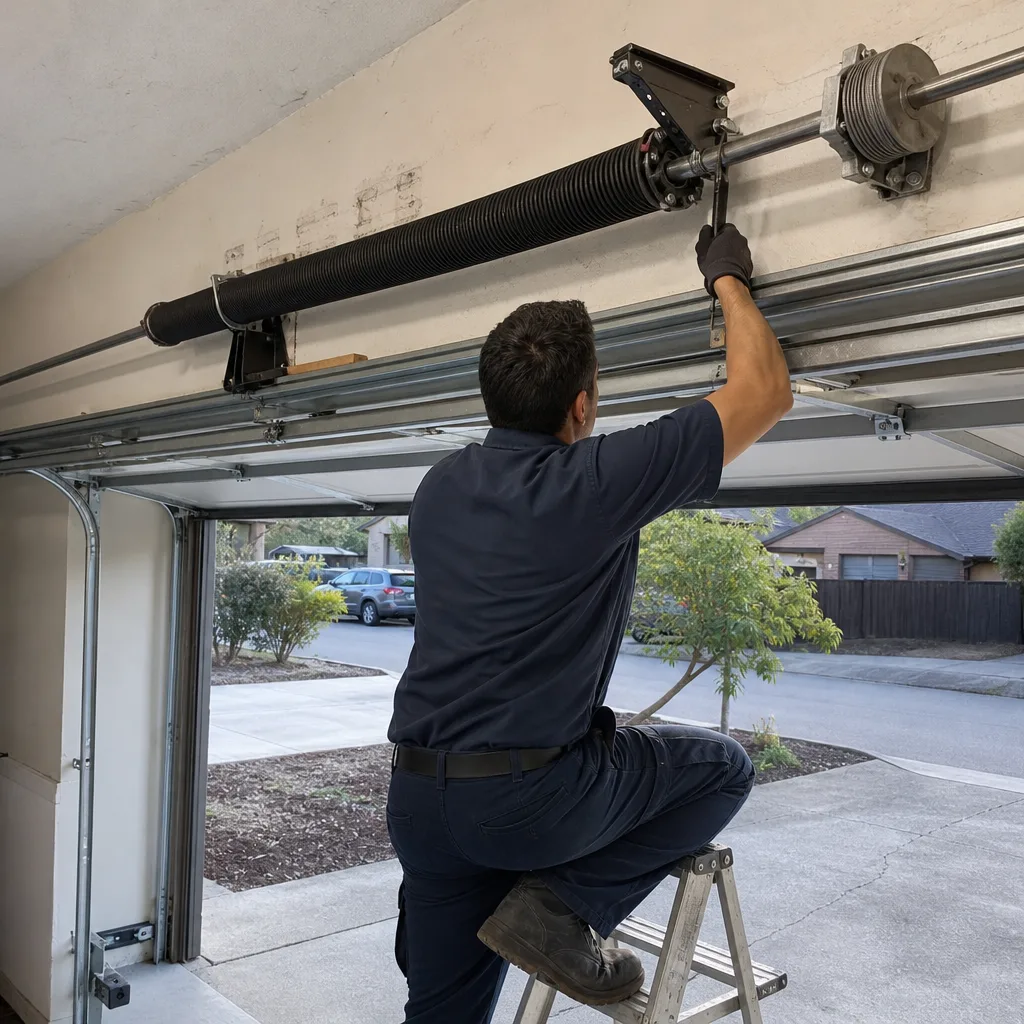 After