
Last updated November 2, 2026
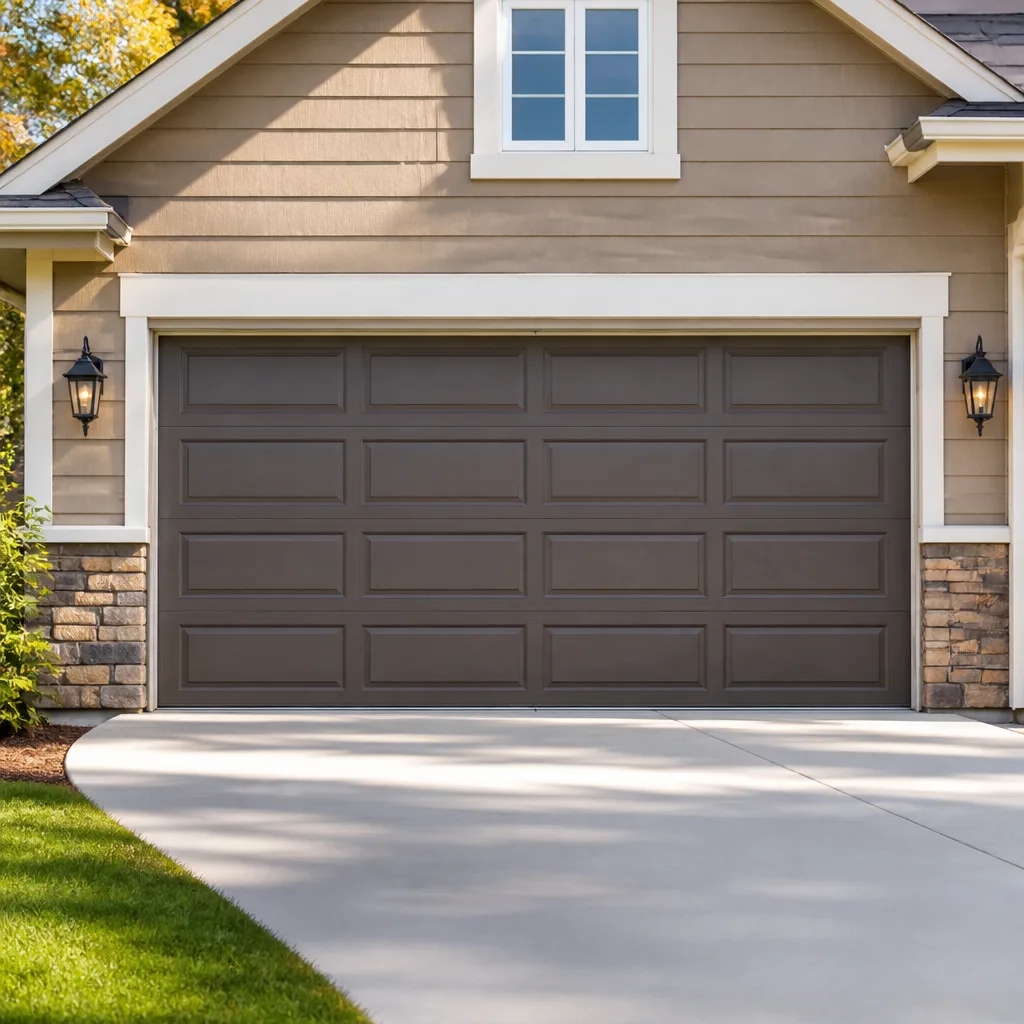 Raised-panel steel
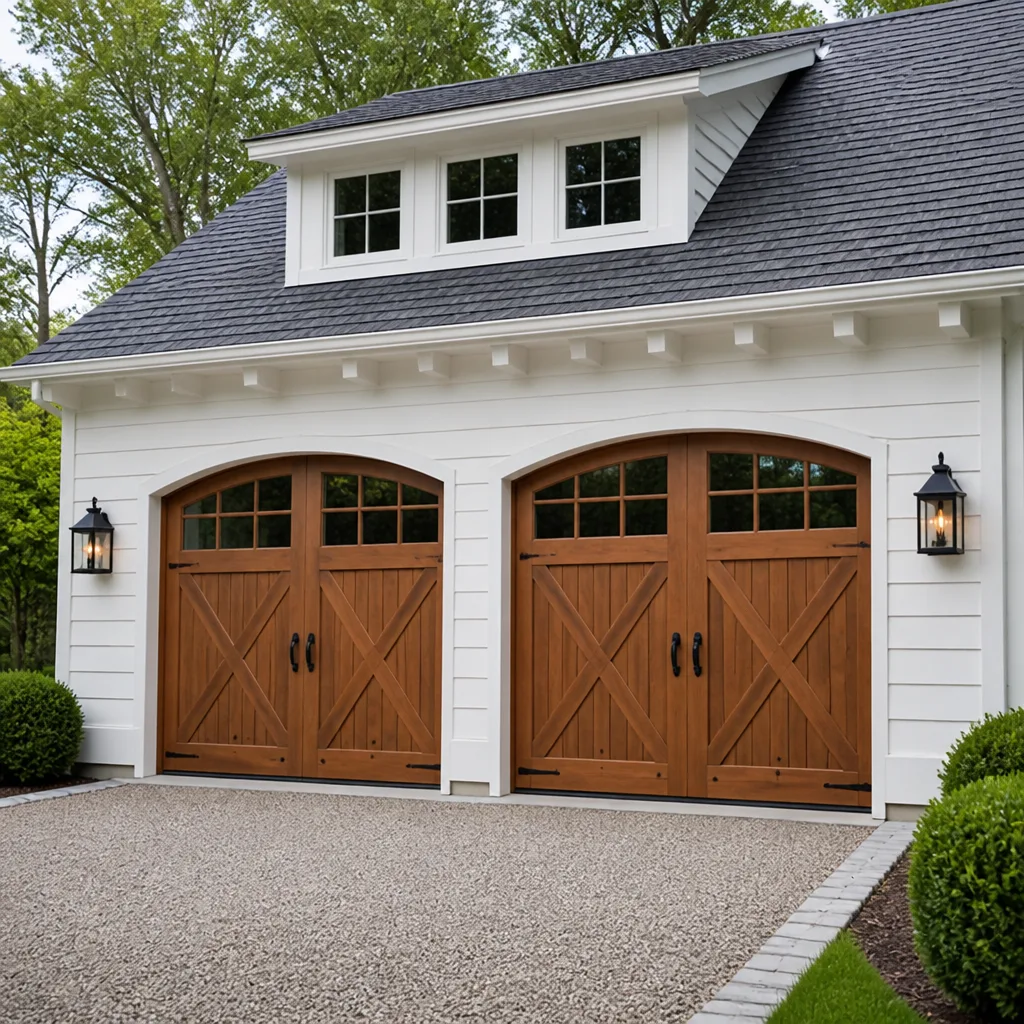 Carriage house
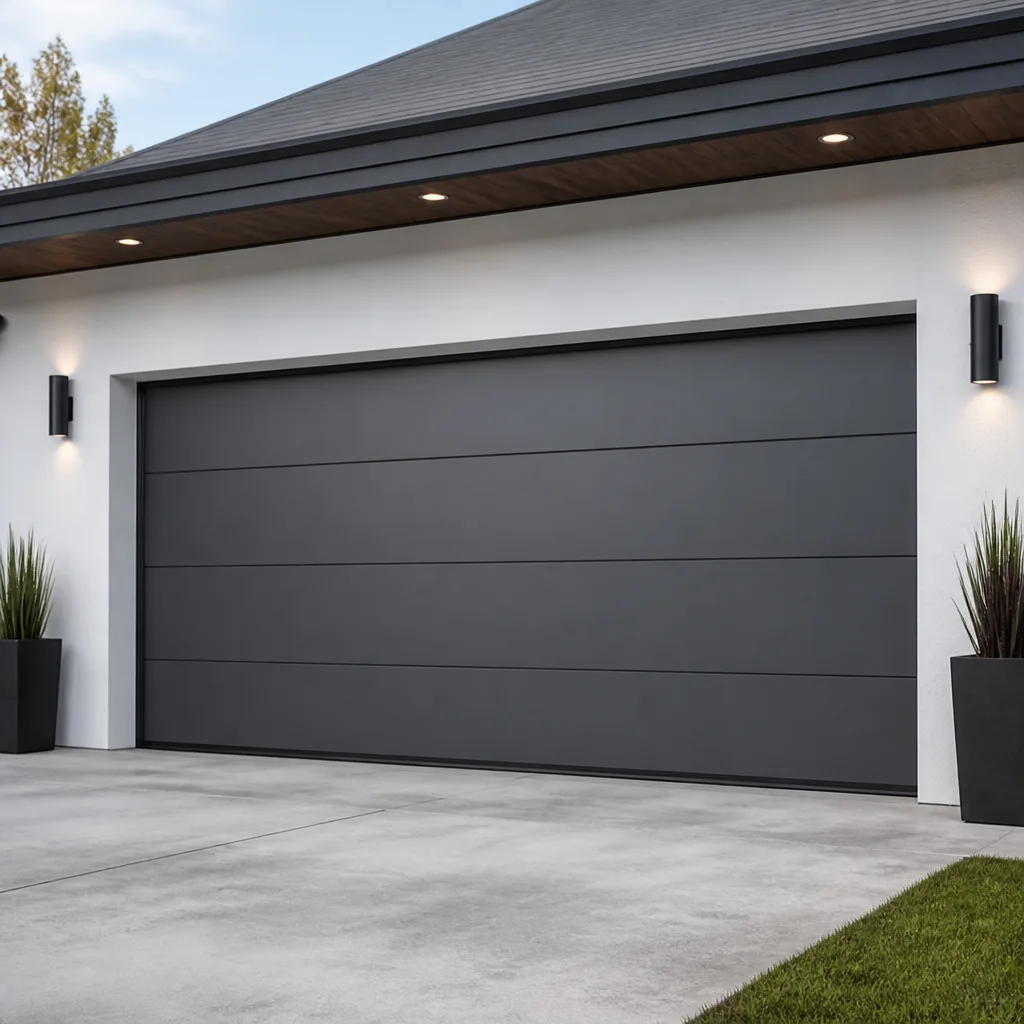 Modern flush
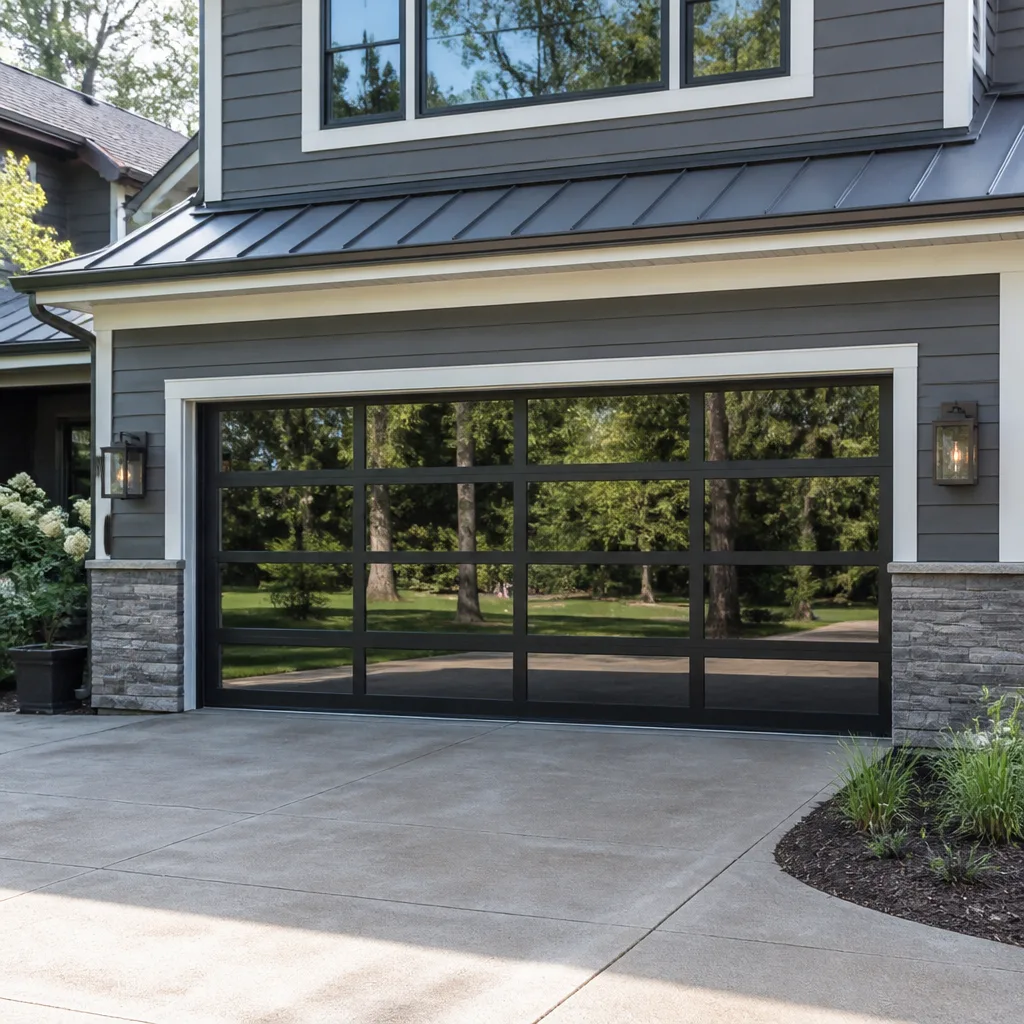 Full-view glass
 LiftMaster openers
 Chamberlain openers
Full 25-point door and opener safety check with every visit - springs, cables, rollers, tracks, and your LiftMaster or Chamberlain opener included
You get a price before we start. It does not change when the truck arrives.
Get your free estimateSeasonal Garage Door Care for Carmel Valley: Year-Round Homeowner’s Guide
Carmel Valley doesn’t get snow, so most seasonal garage door guides are 60% irrelevant. But the remaining 40% contains the tasks local homeowners consistently skip, and those skipped tasks are exactly what we see behind the service calls we run every month. This guide covers the four stress cycles your door actually goes through here in Carmel Valley: marine-layer moisture in late spring, inland heat in summer, first-rain prep in fall, and the cold-snap lubrication failures in winter. If you follow this rhythm, you’ll catch small problems before they turn into a broken spring or a seized opener on a Monday morning.
Styles & brands we work with
- Raised-panel steel
- Carriage house
- Modern flush
- Full-view glass
- LiftMaster openers
- Chamberlain openers
Quick Answer
Seasonal garage door care in Carmel Valley means four maintenance passes per year, each keyed to a specific stress cycle: spring condensation control, summer heat and UV inspection, fall weatherstripping replacement before first rain, and winter cold-snap lubrication with lithium grease. Most failures we see trace back to a skipped seasonal task, not a defective part. Fifteen minutes per season prevents about 80% of the emergency repairs homeowners in this area call us for.
Table of Contents
- Why Carmel Valley’s Climate Breaks the Standard Seasonal Playbook
- Late Spring (May – June): Marine Layer Moisture and Track Corrosion
- Summer (July – September): UV Panel Stress and Thermal Expansion
- Fall (October – November): Pre-Rain Weatherstripping Audit
- Winter (December – February): Cold Snap Lubricant Failures
- Year-Round: Opener Performance Drift from Temperature Cycling
- Common Mistakes to Avoid
- When to Call a Professional
- Frequently Asked Questions
- The Bottom Line
Why Carmel Valley’s Climate Breaks the Standard Seasonal Playbook
Most garage door maintenance guides are written for a national audience that expects four real seasons: freezing winters, thawing springs, humid summers, and leaf-dropping autumns. Carmel Valley gets none of that. We get a Mediterranean microclimate with dry summers, wet winters, a marine layer that rolls in during late spring, and occasional overnight cold snaps that surprise people. That means the generic advice to “winterize your garage door in October” or “lubricate before the spring thaw” misses what’s actually happening to your hardware.
What Carmel Valley does get is thermal cycling: warm days and cool nights, repeated hundreds of times a year. Metal expands during the day and contracts at night. Fasteners loosen. Track bolts back out a quarter-turn at a time. Hinges develop play. Lubricant dries out or gets displaced. It’s not dramatic, but it’s cumulative. A door that runs quietly in January might be off-balance by July simply because the temperature differential has been working on the hardware every single day.
The second variable is moisture that comes from the marine layer, not rain. From May through July, the fog ceiling parks itself over the valley in the mornings. That moisture condenses on any cool metal surface, including the inside of a garage ceiling, the top of a door panel, and the track brackets. Over a season or two, that’s enough to start rust on tracks, hinges, and spring coils. And because it never rains, homeowners don’t think about moisture at all until a roller seizes or a hinge snaps.
So the actionable version of “seasonal care” here is not a single annual tune-up. It’s four lighter passes, each one matched to the stress driver dominant in that part of the year. Here’s the rhythm we tell our Carmel Valley customers to follow.
If you’d rather have someone else do it, the team at Bluewater Garage Door Service home provides seasonal tune-ups for homeowners across the valley. But if you’re the hands-on type, this guide is written for you.
Late Spring (May – June): Marine Layer Moisture and Track Corrosion
By late May, the marine layer becomes a daily visitor in Carmel Valley. Mornings are gray and damp, afternoons burn off warm and dry. That cycle is the hardest on garage door tracks and hardware because the moisture has time to condense, then the dry afternoon heat bakes it off, leaving mineral residue behind.
What we see in May and June service calls is a consistent pattern: track roller wear accelerates when corrosion forms on the track surfaces. A rusted track isn’t just ugly; it’s abrasive. Rollers don’t glide over rust. They grind against it, and that grinds down both the steel and the nylon. The result is a door that gets progressively louder and slower, and a roller that eventually chips or binds.
The late-spring maintenance pass:
- Wipe the vertical and horizontal tracks with a dry cloth. If you see orange dust or discoloration, that’s surface rust forming, even if it hasn’t pitted yet.
- Check the area where the track curve meets the horizontal section. This is where condensation drips and collects. In Carmel Valley garages with exposed ceilings, the drip line often lands right on the radius of the track.
- Inspect the torsion spring above the door. Look for rust speckling along the coil. Surface rust is manageable; pitting is not. A pitted spring is a time bomb, and replacement is the only safe repair.
- Wipe the bottom edge of the door panel, especially if it’s steel. Salt air mixes with the marine layer close to the coast, and bottom-panel rust is one of the most common failures we see on older Amarr and Clopay doors within a few miles of the water.
- Run the door and listen. A door that was quiet in March and growls in June is usually telling you the lubricant has been diluted by condensation. We’ll get to the lubrication fix in the winter section because the product choice matters more than people realize.
If you see deep rust pitting on the spring or significant rust scaling on the tracks, don’t try to clean it aggressively. Tracks are under spring tension, and the spring itself is dangerous to touch. Call us at (833) 349-4780 and we’ll assess whether the hardware needs replacement. This is also the time of year to make sure your garage door opener repair in Carmel Valley isn’t masking a hardware problem: openers will strain against a corroded track until the motor burns out, which turns a $200 fix into a $600 one.
Summer (July – September): UV Panel Stress and Thermal Expansion
Summer is the season most Carmel Valley homeowners think their garage door is fine because nothing dramatic happens. No rain, no cold, no fog. But July through September is when thermal expansion is at its maximum, and that affects alignment more than any other time of year.
Steel and aluminum expand when hot. A 16-foot door on a 95-degree day can be measurably longer than it is at 50 degrees. If the door was installed tight to the jambs, that expansion can cause edge-binding, where the panel edges scrape against the weatherstripping or the actual frame. What you hear is a screech or a scraping sound during the last foot of travel, right where the door passes through the opening. It’s not a spring problem. It’s geometry.
The second summer variable is UV exposure. Carmel Valley gets intense direct sun, especially on south-facing and west-facing garage doors. Over several years, that UV light breaks down the finish on steel panels, but it also degrades the rubber and vinyl components. Weatherstripping gets brittle. Bottom seals crack. Roller tires dry out. And the nylon in the hinges gets stiffer. None of these fail suddenly. They degrade gradually until they don’t seal or they bind.
The summer maintenance pass:
- Run the door with the garage closed and watch the edges. If the door is scraping, note which side and whether it happens at the top, middle, or bottom. That tells you where the expansion is biting.
- Examine the panel surfaces for fading, chalking, or hairline cracks in the finish. A chalky door is going to start rusting, and rust under paint spreads sideways. Manufacturers like Wayne Dalton and Raynor sell touch-up kits that match, and a small touch-up now beats a reskin later.
- Press a fingernail into the weatherstripping along the sides and bottom. If it doesn’t spring back, the rubber has lost its elasticity. That means it’s no longer sealing against the heat and dust, and the first rains will find every gap.
- Check the caulk and seal where the door frame meets the stucco. Carmel Valley garages often have minor stucco shrinkage in the summer, and a visible gap there lets hot air and dust into the garage. That’s also where carpenter ants and earwigs pick their entry points during the dry season.
- Lubricate the hinges, rollers, and spring with a lithium-based grease, not a penetrant. More on that below, but the short version: summer heat thins petroleum-based lubricants and they run off. Lithium grease stays put.
If your door has shifted enough that it’s binding no matter what you do, the issue might not be the door at all. Thermal expansion can warp an uninsulated door that doesn’t have the structural support of a strut or an insulated core. There’s no field fix for that. In that case, we’ll measure the panel and give you a straight answer about whether repair makes sense or whether a new garage door installation in Carmel Valley is the only way to get a door that tracks true in the heat.
Fall (October – November): Pre-Rain Weatherstripping Audit
The first meaningful rain in Carmel Valley usually arrives in late October or November, and when it does, any gap in the bottom seal or side weatherstripping becomes a visible puddle on the garage floor. This is the single most consistently skipped seasonal task we see. The seal looks fine from six feet away, so homeowners ignore it until the rain proves it wasn’t fine.
Here’s the fall audit, in order of importance:
- Lay on the floor and look at the bottom seal where it meets the concrete. Close the door and check for daylight. If you can see light, water will get in. Not “might” get in. It will. The concrete slab in most Carmel Valley garages has settled slightly over the years, so the seal that worked when the door was installed may now have a gap in the center or at one corner.
- Run a hose spray across the bottom of the closed door for 30 seconds, then check inside. If water beads up or pools, the bottom seal needs replacement. Don’t assume the door needs adjustment. In most cases, the seal is just old and compressed. A new bottom seal is the cheapest water-damage prevention you can buy for your garage.
- Check the side and top weatherstripping for cracks, brittleness, or gaps where the strip has pulled away from the frame. Carmel Valley’s dry summers dry out the adhesive and the rubber, and when the rains come, the wind drives water horizontally into those gaps. Side entry points are how most garages in this area end up with mold along the interior wall near the door.
- Inspect the door jambs for soft spots. Push a screwdriver into the wood where the track mounts near the bottom. If it sinks, you’ve already got rot, and the repair is more involved. The earlier in the fall you catch it, the less water damage spreads over the winter.
- Clean the tracks. This seems unrelated to rain, but grit from summer gets trapped in the track channels, and when fall humidity arrives, that grit turns into a paste that accelerates roller wear. A dry wipe in October saves you a roller replacement in January.
If your bottom seal needs replacing and the door is from a manufacturer we service, we can do it in a single visit. The same applies to side trim. And while we’re there, we’ll check the door balance, because a door that’s even slightly out of balance sits unevenly on the seal and pumps water under the low side during heavy rain. That’s the kind of thing you don’t notice until the concrete is wet and the cardboard boxes on the floor are ruined.
For any garage door repair in Carmel Valley, whether it’s a seal replacement, a hinge, or a spring, we quote the price before we start the work. No surprises when the invoice comes.
Winter (December – February): Cold Snap Lubricant Failures
Carmel Valley doesn’t freeze every winter, but when it does, it’s usually a few nights in the low 30s or high 20s. That’s enough to change how lubricants behave. Petroleum-based spray lubricants, like WD-40, thicken in the cold. And here’s the problem: most people think WD-40 is a lubricant. It’s not. It’s a water displacer and cleaner. It penetrates, loosens rust, and then evaporates, leaving almost no long-term lubrication behind. In cold weather, whatever remains gets gummy.
What a garage door needs in winter, and honestly year-round in Carmel Valley, is a lithium-based grease or a dedicated garage door lubricant. Lithium grease stays viscous across a wide temperature range, adheres to metal surfaces, and doesn’t wash off. You can apply it in December when it’s 45 degrees outside and it’ll still be doing its job in June when it’s 80. That’s the relevance here: Carmel Valley’s temperature swings mean you should pick a lubricant that doesn’t care about the temperature.
The winter maintenance pass:
- If the door was lubricated with a penetrant spray at any point in the last year, clean it off. Use a degreaser on the hinges and rollers, wipe dry, then apply a proper lithium grease. Mixing a penetrant and a grease makes a slurry that attracts dust and grit.
- Apply a small amount of lithium grease to the torsion spring coils. Use a rag to spread it evenly across the top of the spring. The spring coils rotate constantly as the door moves, and a dry spring grinds on itself, which is how metal fatigue accelerates.
- Grease each hinge pivot. Open the door halfway and you can access all the hinges without a ladder. A little goes a long way; too much grease flings off as the door moves and lands on the door panel, the car, or the ceiling.
- Check the rollers. If they’re metal rollers with no ball bearings, they can be lubricated at the stem. If they’re nylon rollers, the wheel itself doesn’t need lubrication, but the stem does. And if a roller is wobbling or the wheel is cracked from the cold, replace it rather than greasing it. A seized roller on a cold morning is a common Carmel Valley winter call.
- Test the auto-reverse feature on your opener. Cold weather can affect the sensitivity sensor, and if the door doesn’t reverse when it hits an obstruction, the opener is dangerous. Place a roll of paper towels under the door and close it. It should reverse on contact. If it doesn’t, that’s an immediate garage door opener repair issue, not a one-day-this-week issue.
One more winter note specific to Carmel Valley: the same cold that thickens the wrong lubricant also shrinks the metal in the tracks and hardware. That means a door that was marginally off-balance in October can fail in January. The spring doesn’t care that it’s cold; a spring under tension is under tension. But the door’s geometry shifts just enough that a weak spring will snap on a cold morning rather than a warm afternoon. This is why we tell homeowners to fix balance problems in the fall, not the winter, because the same repair is easier and less likely to fail before the cold.
Year-Round: Opener Performance Drift from Temperature Cycling
Openers don’t wear out suddenly in Carmel Valley. They drift. The motor runs slightly longer each cycle. The travel limits shift a quarter-inch every few months. The force adjustment creeps upward as the motor compensates for a door that’s getting stiffer. None of it is loud or obvious, but over two or three years, the cumulative drift is measurable.
Temperature cycling is a big part of why this happens here. The opener’s logic board reads the door’s position based on the motor’s rotational count, not on an external sensor. When the door expands in the summer heat or contracts in the winter cold, the motor runs for a different number of rotations to hit the same physical position. Over hundreds of cycles, the opener’s internal reference gradually shifts. That’s why a door that closed perfectly in August stops fully closing in December and leaves a half-inch gap at the bottom.
How to identify opener drift before the motor fails:
- Listen to the motor at the beginning of each cycle. A motor that hums louder than it did six months ago is working harder. That’s not normal wear; that’s the opener compensating for a door that’s out of balance or a track that’s dirty.
- Watch how the door stops. If it slams into the floor with a bounce, the down-limit has drifted too far and the door is over-traveling. If it stops an inch above the floor, the down-limit has drifted the other way. Both are fixable with a limit adjustment, but only if you know how to do it safely.
- Check the opener’s responsiveness to your remotes and keypads. On LiftMaster and Chamberlain units with myQ, signal drift from the antenna or interference from a changed Wi-Fi environment can cause intermittent opens and closes. We see this often in Carmel Valley homes where new routers, security cameras, or smart-home hubs have been installed.
- Test the manual release. Pull the red cord and open the door by hand. If the door is heavy or doesn’t stay open on its own, the opener has been masking a balance problem. That’s the most common hidden failure we find on openers that die “suddenly” – the opener had been fighting an unbalanced door for a year.
Upgrading to a newer opener doesn’t solve the temperature cycling issue, but a properly adjusted opener handles it better than a worn one. If your opener is more than a decade old and losing its limits, a garage door opener repair in Carmel Valley is a straightforward job. We work on LiftMaster, Chamberlain, Genie, Craftsman, and the rest, and if it can’t be fixed, we’ll tell you that before we quote a replacement.
Common Mistakes to Avoid
- Using WD-40 as a lubricant. This is the most common mistake we see in Carmel Valley, and it causes more long-term wear than any other single error. WD-40 is a penetrant and cleaner, not a lubricant, and in our dry climate it evaporates quickly, leaving metal surfaces dry within weeks. Use lithium grease or a purpose-made garage door lubricant.
- Ignoring the bottom seal until it rains. By the time you see water on the garage floor, the seal has been failing for months. The fix is cheaper and faster in October than in December.
- Skipping the auto-reverse test. The auto-reverse mechanism is a safety device, and it can fail silently. Test it monthly with a roll of paper towels. If it doesn’t reverse, the opener shouldn’t be used until it’s fixed.
- Lubricating the track channel. The track is not supposed to be greased. Grease in the track collects dust, and in Carmel Valley’s dry summer, that dust becomes an abrasive paste that grinds rollers down. The track should be clean and dry. Lubricate the roller stems and hinges, not the track surface.
- DIY spring work. Torsion springs are under 100 to 300 pounds of stored tension, depending on your door weight. A spring that releases while you’re working on it can cause serious injury. Spring replacement is not a DIY job, and we say that without exception.
- Assuming the opener is dead when it’s actually overloaded. Before we replace an opener, we check the door balance, track condition, and roller wear. A lot of “dead” openers in Carmel Valley are actually healthy openers that have been overloaded to the point of thermal shutdown by a door that’s out of balance. Fix the door, and the opener might have years of life left.
- Waiting until a season is over to do the maintenance for that season. Every maintenance task in this guide is preventive. Doing the summer pass in August after the heat has already peaked doesn’t undo the binding that happened in July. Do it when the season starts.
When to Call a Professional
Some maintenance tasks are safe to DIY. Cleaning tracks, checking weatherstripping, testing the auto-reverse, and applying lithium grease to hinges are all reasonable for a homeowner who’s comfortable with basic tools. But any work on the torsion spring, the cables, or the opener’s internal components should be handled by a trained technician. The spring alone is under enough tension to cause serious injury if it fails while being serviced, and cables under tension can whip if they snap.
Call a professional when the door doesn’t stay in place when you release it manually, when the spring shows visible rust pitting, when the cables are frayed or loose, when the door shudders during travel, or when the opener’s auto-reverse test fails. Bluewater Garage Door Service offers free estimates in Carmel Valley. Call (833) 349-4780 and we’ll assess the issue and tell you what the repair will cost before any work begins.
Frequently Asked Questions
A basic seasonal tune-up typically starts around $100 – $200, depending on whether lubricants, weatherstripping replacement, or minor adjustment work is included. Seal replacements are usually in the $80 – $150 range. Call (833) 349-4780 for an exact quote. Estimates are free, and you’ll know the price before we start.
Lubricate the hinges, rollers, and torsion spring twice a year, in spring and fall, using a lithium-based grease. The dry climate and temperature swings mean lubricant degrades or migrates faster than in more moderate coastal areas. If you hear grinding or squeaking between scheduled lubrications, don’t wait; the dry friction is already causing wear.
Summer heat causes the metal components to expand, which tightens the tolerances between rollers, hinges, and tracks. A door that ran quietly in the winter can scrape or grind in July because the expanded metal has less room to move. This can also be a sign that the door is slightly out of alignment, and the thermal expansion is amplifying the problem.
If you’re comfortable with basic tools and the old seal slides out of its retainer channel, yes. But if the seal is glued, crimped, or the retainer is damaged, it’s a more involved repair. In that case, a professional replacement is safer and cheaper than buying the wrong seal and fighting it for an afternoon.
No. At Bluewater Garage Door Service, the price we quote is the price you pay, unless you approve additional work during the visit. We don’t change the quote after we’ve seen the door, and we don’t upsell you on work you don’t need. The assessment is honest, and you decide what we do.
For the most common needs in Carmel Valley, yes. We keep bottom seals, weatherstripping, hinges, rollers, and lubricants on the truck, along with most LiftMaster, Chamberlain, Genie, Clopay, Amarr, Wayne Dalton, Craftsman, and Raynor components. If a specialty part is needed, we’ll tell you before scheduling the install.
The Bottom Line
Carmel Valley’s garage doors don’t fail because they’re bad doors. They fail because the climate works on them in four predictable ways, and most homeowners don’t know what to watch for in each season. The marine layer corrodes tracks in late spring. The inland heat shifts alignment in summer. The first rains expose failed seals in fall. And the cold snaps gum up the wrong lubricant in winter. If you do the four seasonal passes described here, you’ll catch almost every issue while it’s cheap and quick to fix. If you’d rather have a professional handle it, we’re available. Call (833) 349-4780 for a free estimate, and you’ll get a clear answer about what needs attention and what doesn’t.
Written by the team at Bluewater Garage Door Service, serving Carmel Valley since 2013.
See the difference
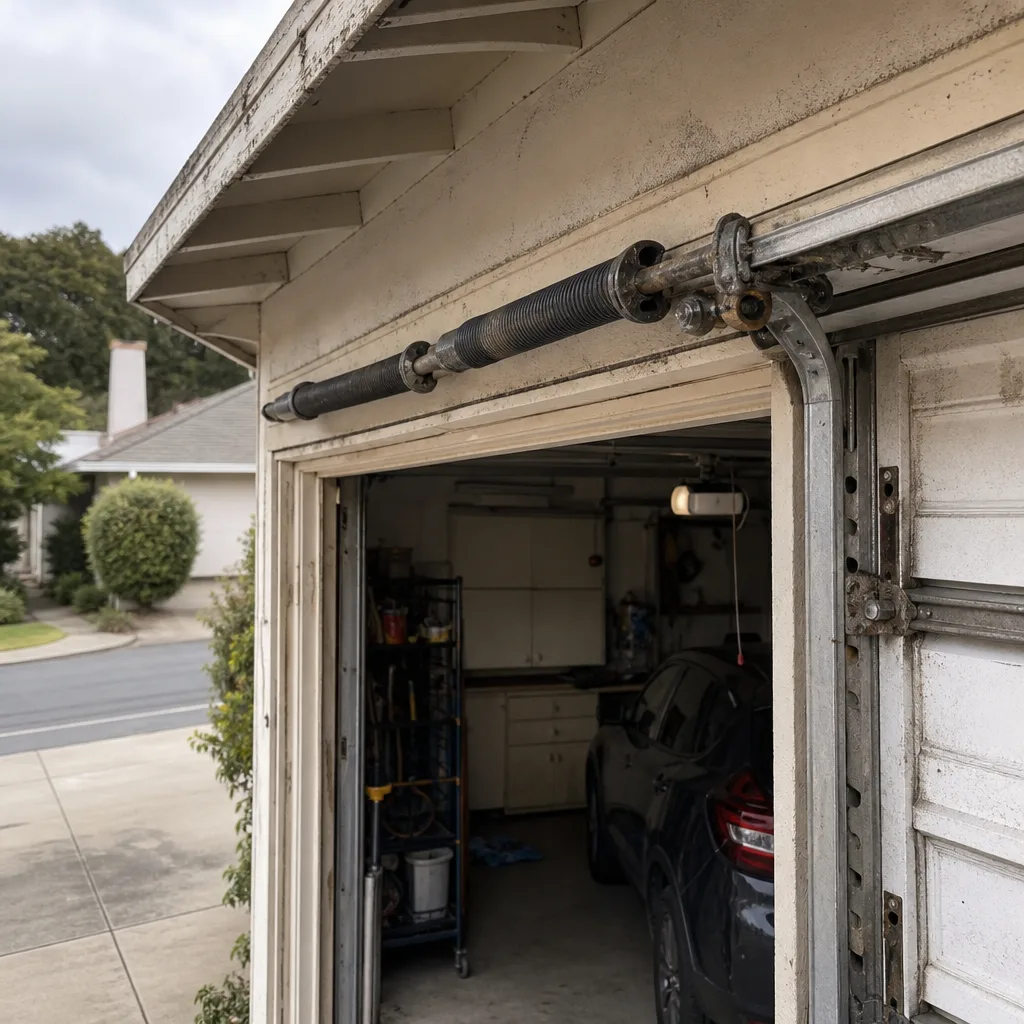 Before
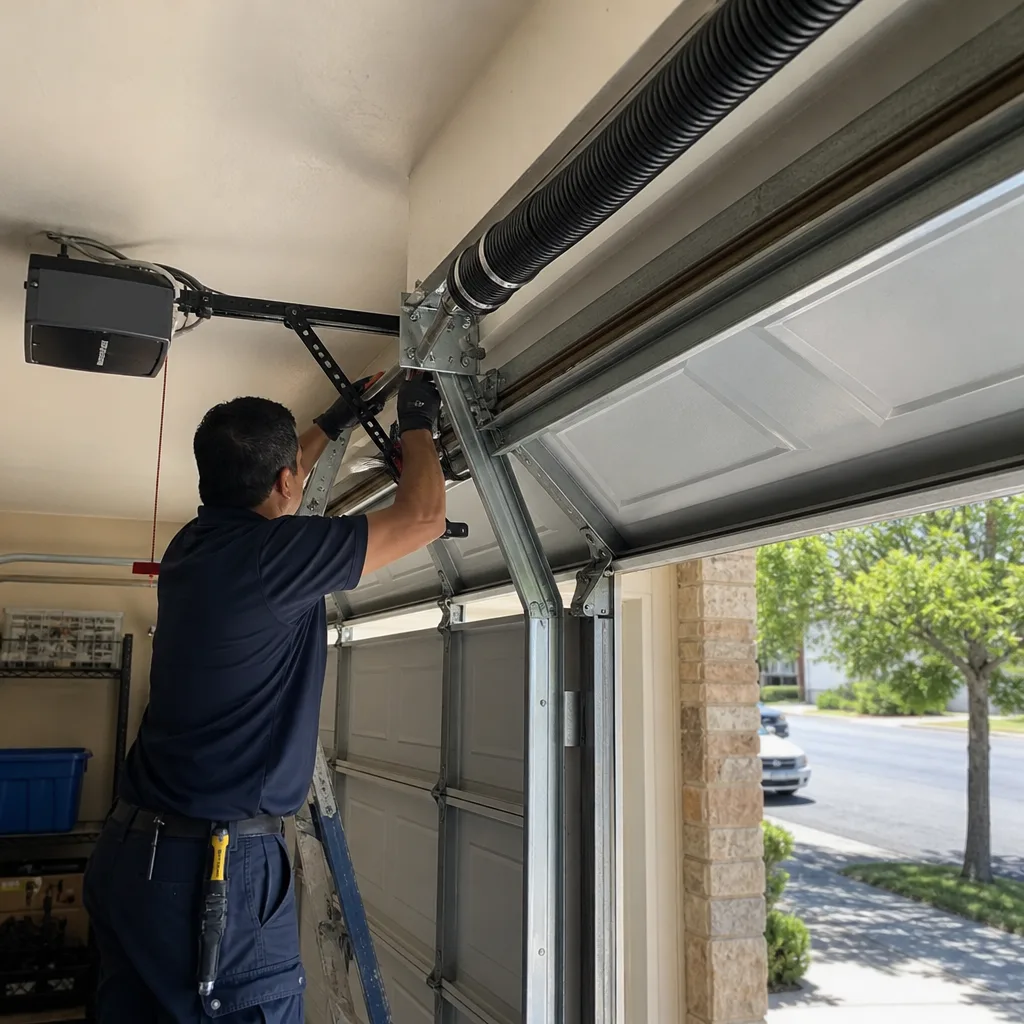 After
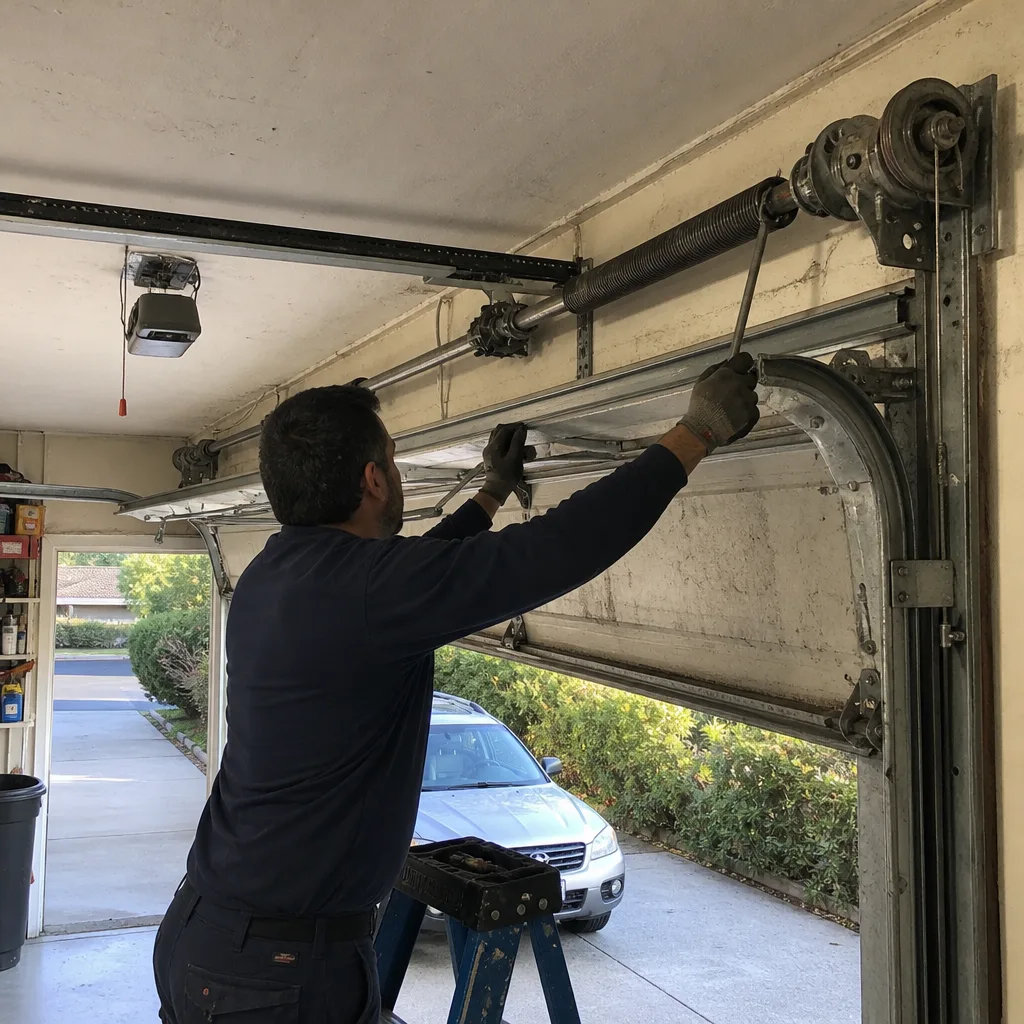 Before
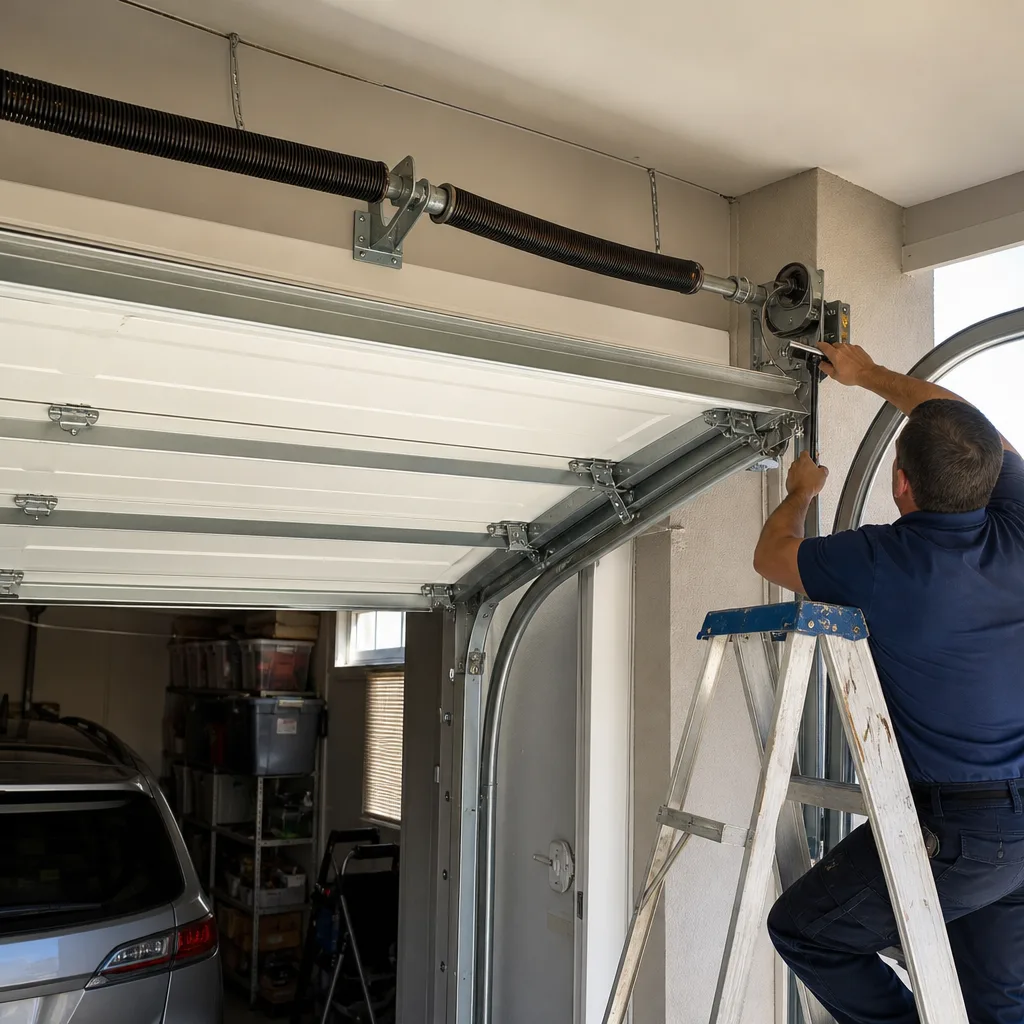 After
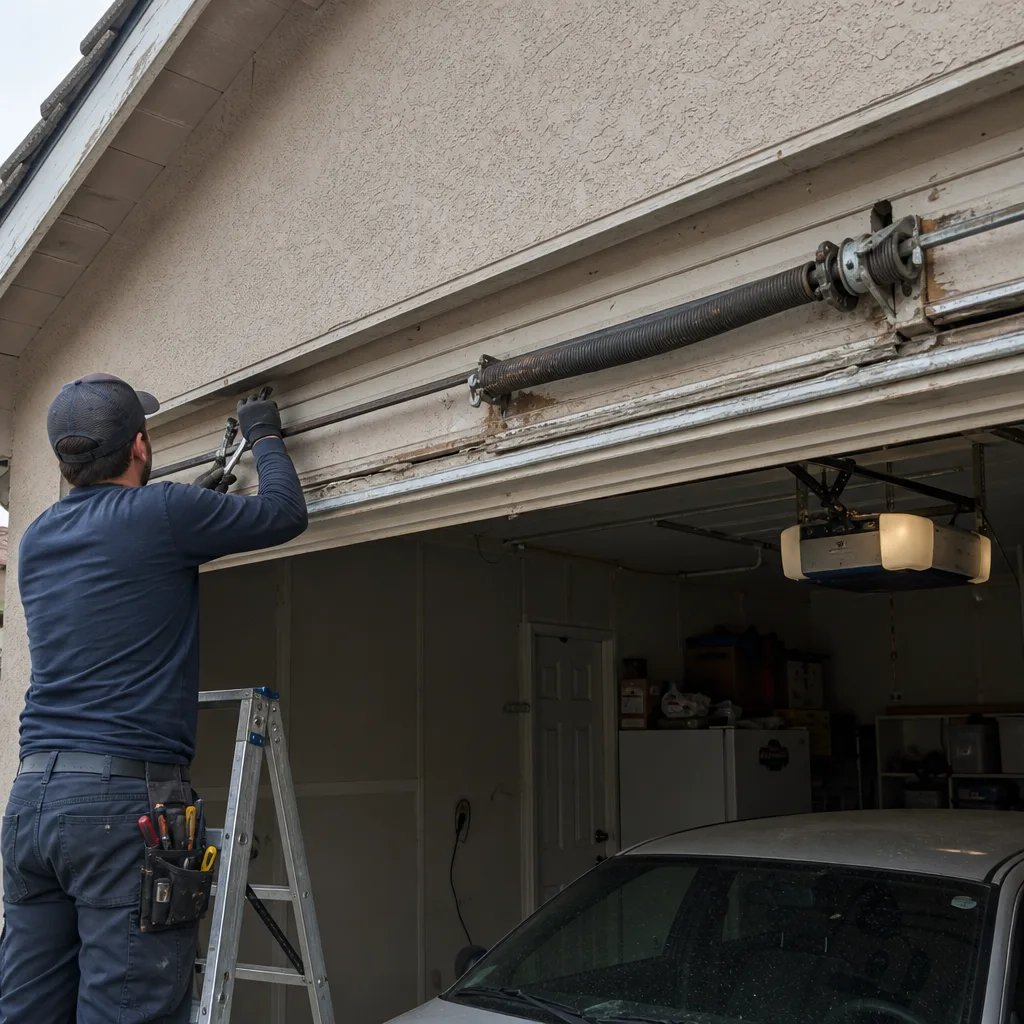 Before
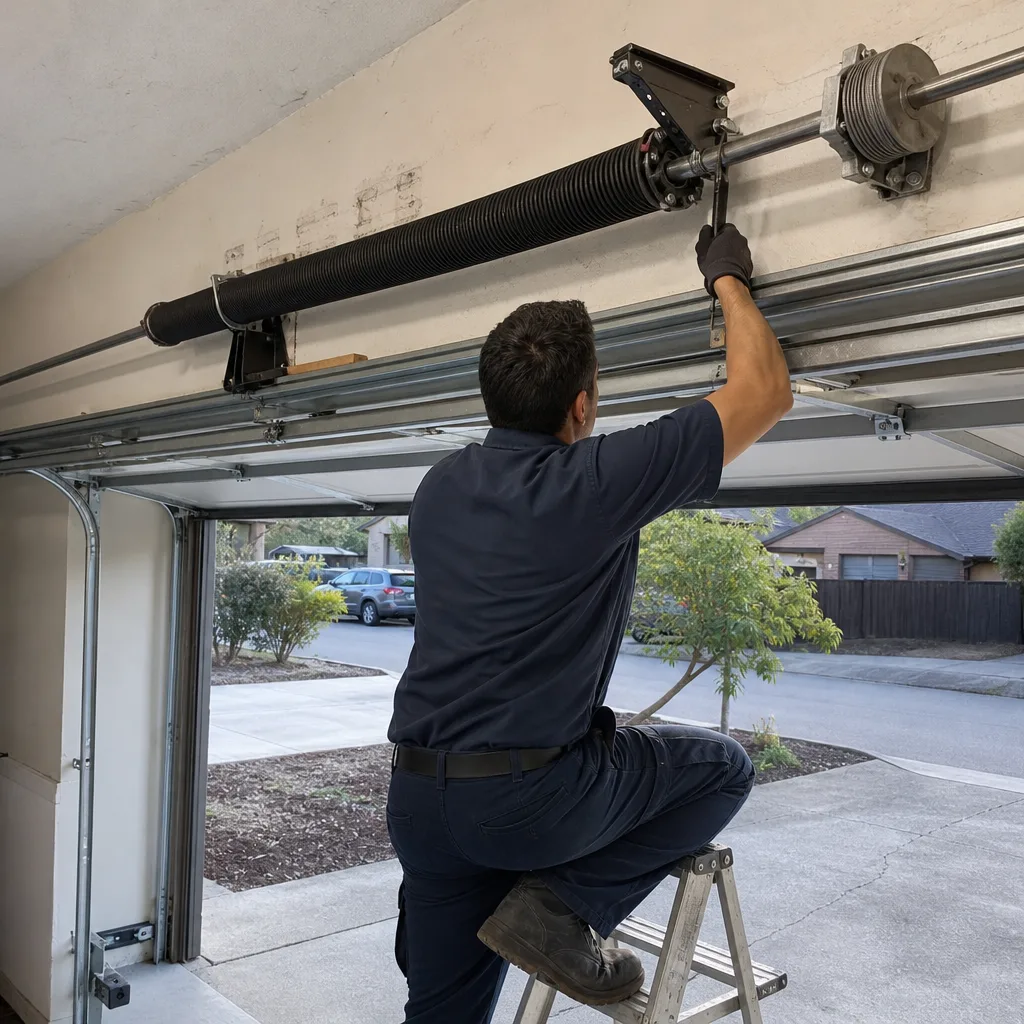 After