
Last updated November 2, 2026
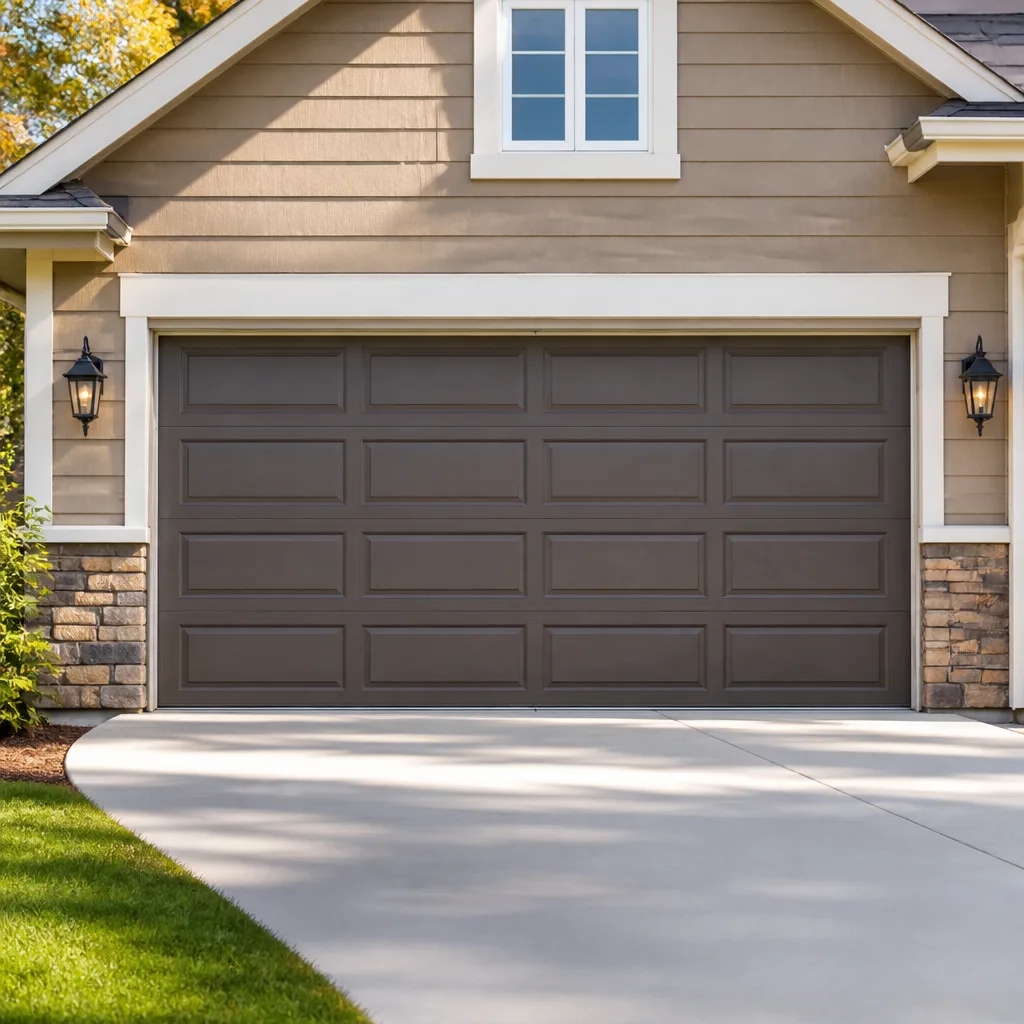 Raised-panel steel
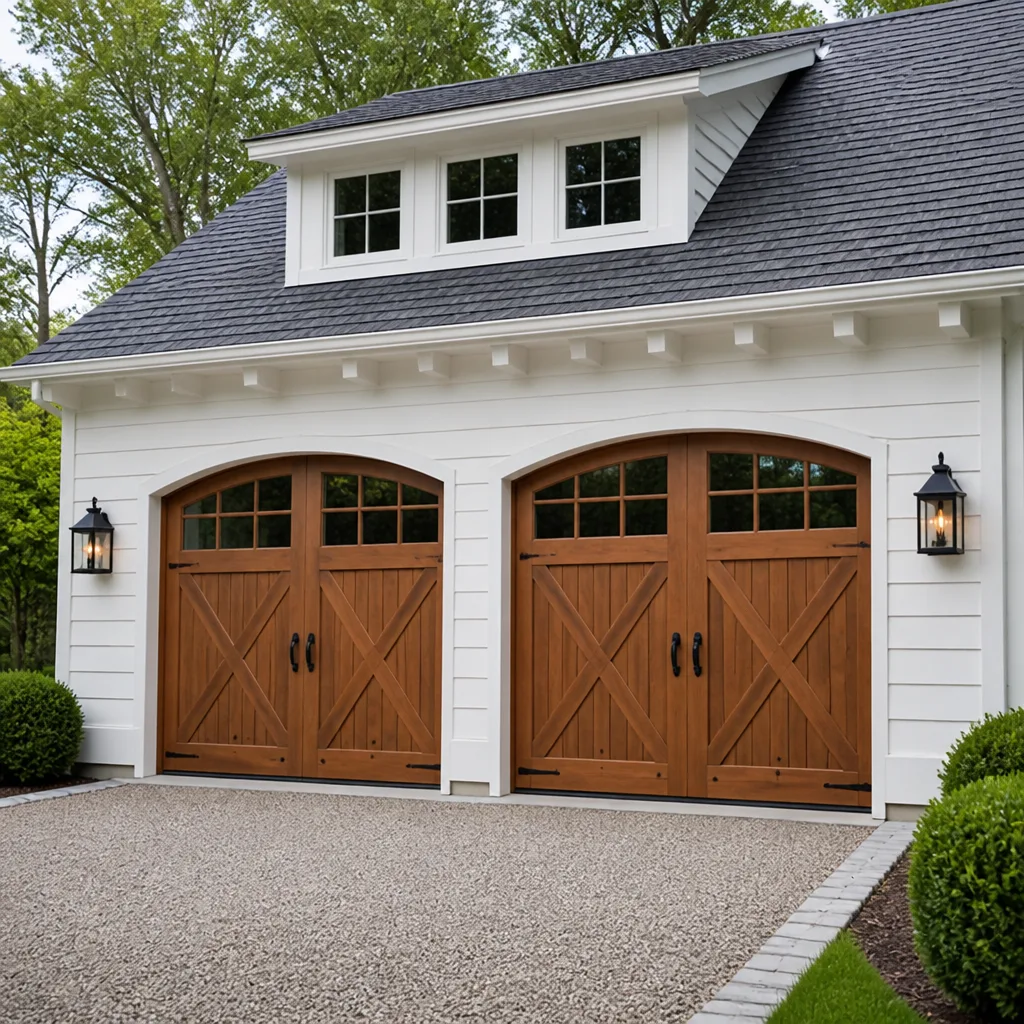 Carriage house
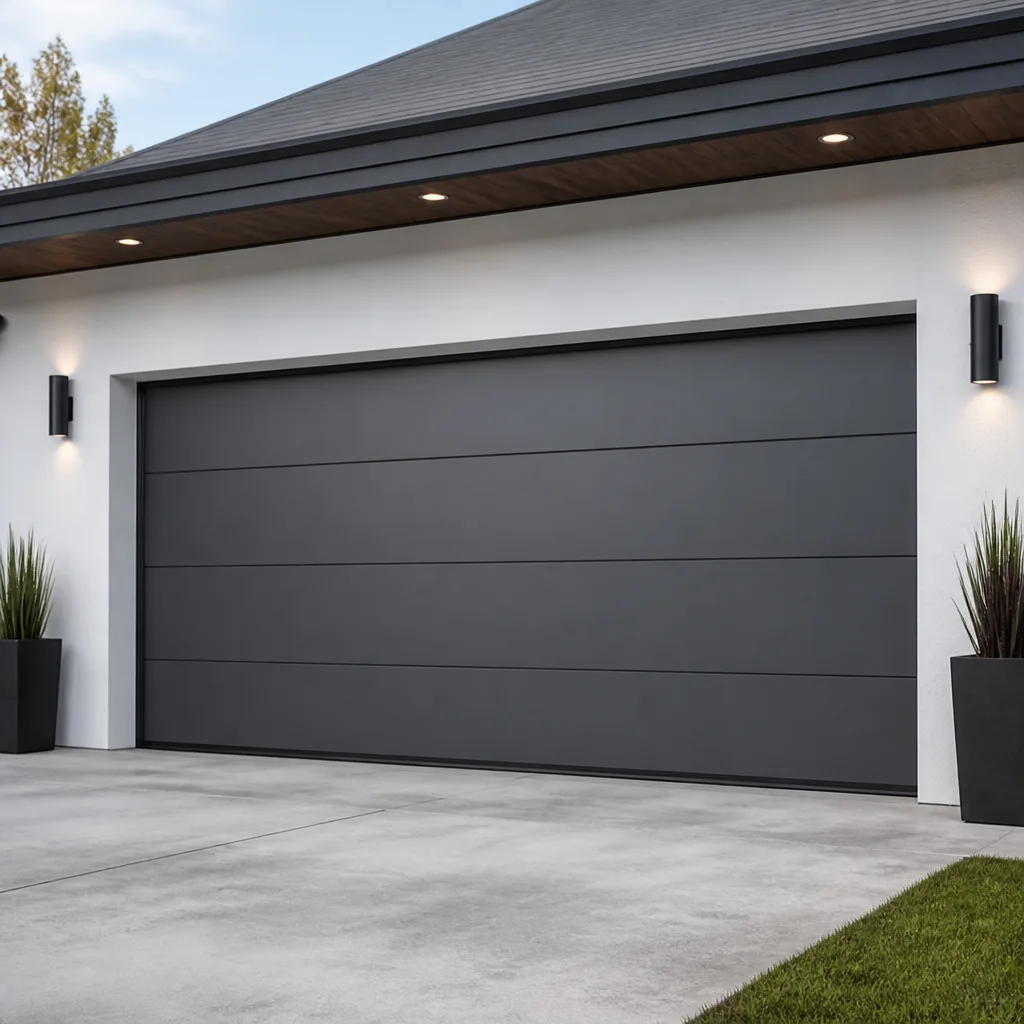 Modern flush
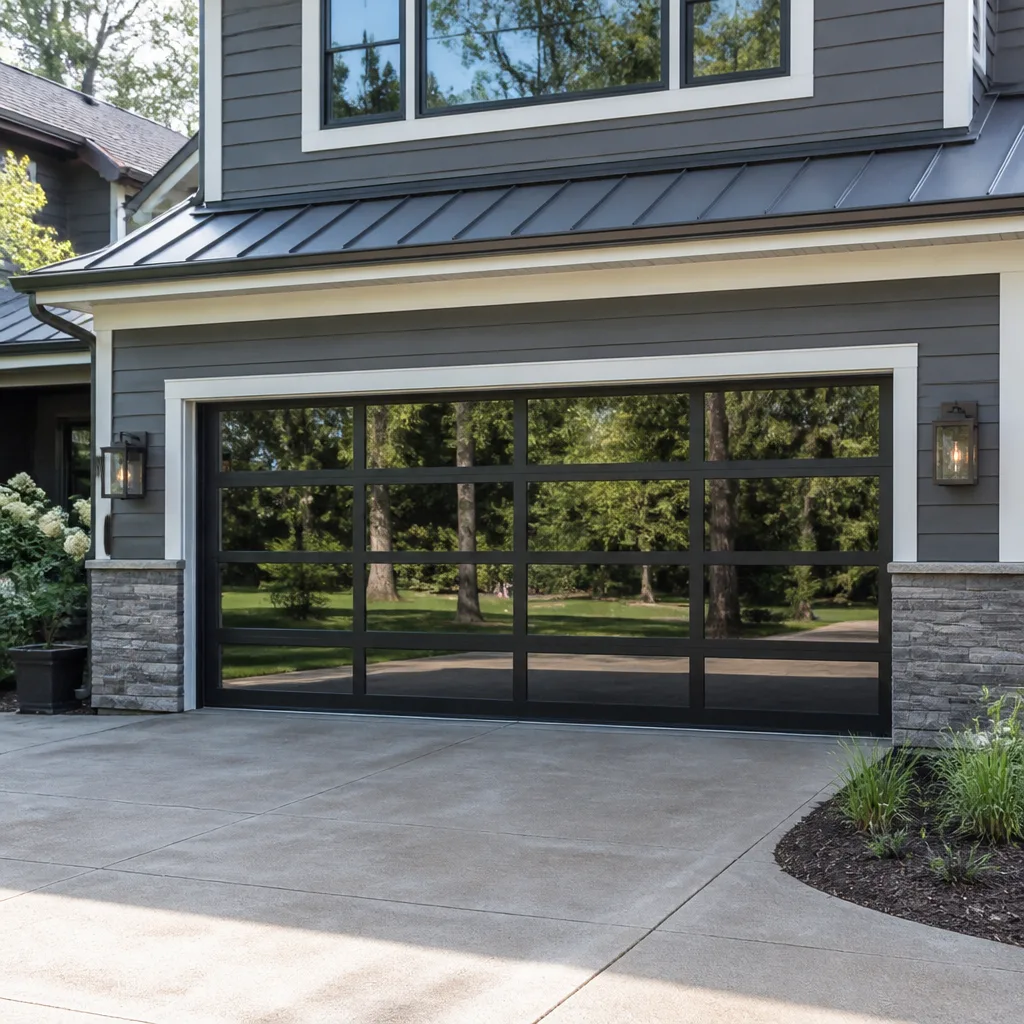 Full-view glass
 LiftMaster openers
 Chamberlain openers
Full 25-point door and opener safety check with every visit - springs, cables, rollers, tracks, and your LiftMaster or Chamberlain opener included
You get a price before we start. It does not change when the truck arrives.
Get your free estimateGarage Door Emergency Preparedness Guide for Carmel Valley Homes
During the 2019 Saddle Fire evacuation, some Carmel Valley residents couldn’t open their garage doors because the power was out and they’d never located the manual release. Cars sat trapped inside garages while evacuation orders ticked down. The problem wasn’t mechanical failure. It was preparation. This guide walks through the garage door emergencies that actually happen in Carmel Valley, from wildfire evacuations to post-outage re-entry, and gives you a plan you can execute in under ten minutes when the time comes. For more, see our Garage Door Repair Troubleshooting: Common Problems and How to Fix Them.
Quick Answer
The most important garage door emergency preparation for Carmel Valley homes is knowing how to operate your manual release cord during a power outage, especially if an evacuation order comes while the grid is down or the utility has cut power preemptively. A battery backup opener, installed on your existing rail system, solves this automatically for about $120 to $400 depending on your opener brand. You should also label your release cord, test manual operation twice a year, and know how to re-secure the door manually if you need to leave before power returns. Our Garage Door Repair Maintenance Checklist for Carmel Valley Homeowners covers each step in detail.
Styles & brands we work with
- Raised-panel steel
- Carriage house
- Modern flush
- Full-view glass
- LiftMaster openers
- Chamberlain openers
Table of Contents
- Why Carmel Valley Has Unique Garage Door Risks
- How to Operate the Manual Release Cord on the Four Most Common Openers
- Battery Backup Openers and Evacuation Zone Compatibility
- Re-Securing a Manually Released Door Before Power Returns
- Post-Wildfire Garage Door Inspection Protocol
- One-Time Setup Tasks Every Carmel Valley Homeowner Should Do Now
- Common Mistakes to Avoid
- When to Call a Professional
Why Carmel Valley Has Unique Garage Door Risks
Carmel Valley sits in a fire-prone corridor where public safety power shutoffs and unplanned outages happen more frequently than most San Diego County homeowners realize. When SDG&E cuts power during high-wind events or a wildfire forces an evacuation order, your garage door opener becomes dead weight. You can’t lift a 150 to 250 pound sectional door with motor force alone. You need either the manual release or a battery backup system. Most homeowners have never pulled either mechanism once since moving in.
Our technicians working on Garage Door Repair in Carmel Valley see this pattern regularly. A homeowner loses power during a Santa Ana wind event, the garage becomes inaccessible, and the car sits inside until the grid returns. Or worse, an evacuation order arrives at 2 a.m. and the opener won’t respond. The door still works mechanically. The problem is the opener has no electricity and the owner doesn’t know where the release cord is. This is a knowledge problem, not a parts problem, and it’s solvable in an afternoon.
The geography matters here. Carmel Valley homes often sit on canyon rims or along ridgelines where wind exposure is higher. Power lines run through dry brush zones that utilities de-energize during red flag conditions. And unlike coastal communities where outages are rare inconveniences, a Carmel Valley outage during fire season can coincide with an order to leave immediately. Your garage door is the primary vehicle exit for most homes in this area. Knowing how to operate it without power isn’t optional. It’s the difference between leaving on schedule and leaving late.
For opener-specific issues that surface during outages or evacuation drills, our Garage Door Opener Repair in Carmel Valley page covers diagnostics across eight major brands, including LiftMaster, Chamberlain, Genie, and Craftsman. The repair-first approach means we assess whether your existing unit can accept a battery backup before recommending anything new.
How to Operate the Manual Release Cord on the Four Most Common Openers
Every garage door opener manufactured in the last forty years has a manual release mechanism. It’s a cord, usually red, hanging from the opener rail or the trolley assembly. Pulling it disengages the door from the motor, allowing you to lift the door by hand. Here’s what that cord looks like and where to find it on the four opener brands we service most often in Carmel Valley.
LiftMaster and Chamberlain Openers
LiftMaster and Chamberlain use the same rail design. The release cord hangs from a trolley that rides along a metal rail above your car. The cord is red with a plastic T-handle at the bottom, positioned roughly above the center of the garage bay. To release: pull the cord straight down toward the floor, not at an angle. You’ll hear or feel a click. The trolley disengages from the chain or belt. The door is now free to move by hand. Pulling the cord again while pushing the opener button re-engages the trolley automatically.
Many Carmel Valley homes built since 2010 have LiftMaster belt-drive openers with myQ smart-home integration. The manual release works the same regardless of smart features. The photo-eye sensors on the side tracks don’t affect manual operation, but leave the door fully open or fully closed after manual release. A partially open door can drift.
Genie Openers
Genie releases sit on the carriage assembly, also mid-rail. The cord is usually red or orange with a plastic handle shaped like a rounded rectangle. Genie’s manual release sometimes requires a firmer pull than LiftMaster’s, and older Genie screw-drive models from the 1990s and early 2000s have a release lever instead of a cord. If your Carmel Valley home has an original Genie from that era, the release may be a small metal tab you pull sideways rather than down. Test it now, not during an evacuation.
Craftsman Openers
Craftsman openers sold by Sears through 2019 were largely manufactured by Chamberlain and share the same red-cord trolley release. Older Craftsman chain-drive models from the 1980s and 1990s have slightly different rail geometry, but the release cord hangs from the same location: the trolley assembly above the door opening. Pull down firmly. If it hasn’t been used in years, the internal latch may stick. A firm, quick pull usually frees it. Lubricating the release mechanism isn’t necessary, but moving it twice a year keeps it functional.
Manual Door Lifting Steps
- Pull the red release cord straight down. You’ll hear the trolley disengage from the chain or belt.
- Grip the door handle or bottom edge. Use the lift handle if the door has one. If not, grip the bottom rail of the lowest panel.
- Lift with your legs, not your back. A sectional door weighs 150 to 250 pounds depending on size and material. The torsion springs offset most of that weight, so it should lift smoothly with moderate effort.
- Lift until the door is fully open. Stop at full open. The horizontal track sections will hold the door in place.
- Pull your vehicle out. Once the car is clear, you can either close the door manually behind you or leave it open depending on your evacuation timing.
If the door feels excessively heavy or refuses to stay up, the torsion springs may be worn or broken. Do not force it. A spring under tension that releases unexpectedly can cause serious injury. Our Garage Door Installation in Carmel Valley page covers spring replacement and new door options if the mechanical system is compromised. For now, know that a properly functioning door lifts smoothly with one hand.
Battery Backup Openers and Evacuation Zone Compatibility
After the 2019 Saddle Fire, California building code began requiring battery backup on newly installed garage door openers in wildfire-prone areas, including much of Carmel Valley. See Garage Door Permits, Codes & Inspections in CA: What You Need to Know for the full regulatory picture. If your opener is newer than roughly 2020, it may already have a battery backup mounted inside the motor housing or on the ceiling next to the unit. If it’s older, a battery backup can usually be added without replacing the entire opener.
Battery backup systems for garage doors work like a UPS for a computer. They detect the loss of line power and switch to battery within a second. The battery typically provides 20 to 50 open and close cycles over 24 to 48 hours, depending on the unit and battery age. That’s more than enough for a planned evacuation or a short-duration preemptive shutoff. For multi-day outages, you may want an extra battery on hand or a plan to operate manually once the battery drains.
The key compatibility question is whether your existing opener supports a battery backup add-on. LiftMaster and Chamberlain openers manufactured after 2011 with certain logic board revisions accept the LiftMaster 485LM or Chamberlain 4228 battery backup units. These plug into the opener and charge continuously while line power is present. Genie’s battery backup offering is the BBE1, compatible with specific Genie screw and belt drive models. Craftsman openers built by Chamberlain accept the same 485LM-style units. If you’re unsure what’s compatible, a technician can check your opener’s model and logic board in under fifteen minutes.
What a Battery Backup Does and Doesn’t Do
- Does: Opens and closes the door during a power outage without manual release.
- Does: Maintains safety sensor operation, so the door won’t close on a person or object.
- Does: Works with smart-home integrations like myQ, so you can open the door remotely during an outage if your home Wi-Fi has its own backup.
- Doesn’t: Power anything else in your garage. It only runs the opener.
- Doesn’t: Last indefinitely. Batteries degrade over 2 to 4 years and should be tested every 6 months.
- Doesn’t: Replace manual operation knowledge. Batteries fail. The release cord always works.
For Carmel Valley homes in the wildland-urban interface west of Interstate 5, battery backup is more than a convenience. It’s evacuation infrastructure. The same goes for homes east of El Camino Real where canyon winds knock out overhead lines regularly. If your home is within any of the designated high fire hazard severity zones mapped by Cal Fire, a battery backup should be high on your preparation list. We work on the full system, door and opener together, so adding a backup to an existing LiftMaster, Chamberlain, Genie, or Craftsman unit is a straightforward service call.
Re-Securing a Manually Released Door Before Power Returns
You’ve pulled the release cord and opened the door by hand. Now you need to leave. If you close the garage door manually but don’t re-engage the opener, the door will sit unlocked on the track. Anyone can lift it. If power returns while you’re away and someone presses the opener button, the opener will run without the trolley connected, creating noise and potential damage. Here’s how to re-secure the door properly when power hasn’t come back yet.
- Close the door manually. Lower it slowly using the handle or bottom rail. Don’t let it slam. Guide it to the floor.
- Once closed, verify the door is fully seated. A small gap at the bottom means the seal is still in good shape but the door needs a nudge. Apply light downward pressure on the handle.
- Re-engage the opener trolley. With LiftMaster, Chamberlain, and Craftsman models, pull the release cord toward the door (not straight down) and then let it go, or press the opener wall button once. The trolley will travel and re-latch when it reaches the release position. With Genie, pull the cord toward the door and release, then press the wall button once to cycle the trolley back into place.
- Lock the door if you have a manual slide lock. Many older garage doors in Carmel Valley, particularly on homes built before 1995, have a slide lock on the inside of one track. Slide it into the locked position. This prevents the door from being lifted even if the opener is disengaged.
- Test the lock. Try to lift the door from inside. It shouldn’t move more than an inch. If it lifts, either the lock isn’t fully engaged or you have a spring problem.
If your door lacks a manual slide lock and you’re leaving the property during a prolonged outage, a locking vise grip clamped onto the track just above a roller can add temporary security. It’s not a permanent solution, but it prevents casual lifting. For homeowners wanting a proper solution, a technician can install a slide lock or upgrade the opener to a unit with an automatic deadbolt locking feature, standard on newer LiftMaster wall-mount openers.
Post-Wildfire Garage Door Inspection Protocol
After a fire has passed near Carmel Valley, whether it’s a few hundred feet or a few miles away, your garage door may have sustained damage that isn’t visible from the driveway. Ash, heat, and smoke affect different components in different ways. Before assuming the door is operational or scheduling a full replacement, walk through this inspection sequence. It takes about twenty minutes and requires no special tools beyond a flashlight.
Ash and Debris Effects
Ash is alkaline and corrosive. When it settles on painted steel doors, it begins breaking down the finish within days, especially if moisture is present. On aluminum doors from manufacturers like Amarr or Clopay, ash can pit the surface and accelerate oxidation. On the mechanical side, ash infiltrates the track system and mixes with existing lubricant to form a gritty paste that accelerates roller and hinge wear. Sweep ash off the door exterior with a soft broom. Wipe the tracks with a dry rag. Don’t use water on the door until ash is removed, as water activates the alkaline compounds and speeds corrosion.
Weatherstripping and Seals
The bottom seal and perimeter weatherstripping on garage doors are typically made of PVC or rubber compounds. Both degrade under direct heat exposure. After a nearby fire, inspect the bottom seal for cracks, brittleness, or shrinkage. Run your hand along the side and top seals. If the material flakes or feels rigid rather than pliable, it has been heat-compromised. A failed seal lets embers, ash, and rodents into the garage. Replacement seals are inexpensive and replaceable without replacing the door itself.
Spring Inspection
Torsion springs lose temper when exposed to sustained heat. Even if the door opens normally, a heat-stressed spring is more likely to snap under load soon after. Look for visible gaps in the spring coil, surface discoloration, or uneven spacing between coils. If you see any of these, have the spring evaluated by a professional before using the door heavily. Springs under high tension are not a DIY inspection item beyond visual checks. A professional can measure the spring’s wire diameter and coil count to confirm whether heat exposure has compromised its rating.
Electronics and Opener
Smoke residue is conductive. It can bridge circuits on the logic board inside the opener motor housing. Symptoms include the opener running intermittently, not responding to wall buttons or remotes, or tripping its own breaker. After a significant smoke event, the opener’s interior may need cleaning. This involves removing the cover and using compressed air and contact cleaner on the logic board. The photo-eye safety sensors also need a lens wipe with a clean, dry cloth. If the opener has a battery backup, check the battery for swelling or heat damage. Swollen batteries should be replaced immediately and disposed of at a hazardous waste facility.
If you’re unsure whether your door or opener survived a fire event intact, a professional assessment from our Garage Door Opener Repair in Carmel Valley team covers the full mechanical and electronic system in one visit. We work on doors from Wayne Dalton, Amarr, and Clopay, and openers from LiftMaster, Chamberlain, Genie, and Craftsman, so the inspection doesn’t end with a sales pitch for a brand swap.
One-Time Setup Tasks Every Carmel Valley Homeowner Should Do Now
Preparation has a shelf life. You don’t want to discover your release cord is stuck during an evacuation. The following five setup tasks take under an hour total and should be done this weekend, not during fire season. They apply to every garage door in the home, including detached garages and carriage-house setups common in older Carmel Valley neighborhoods.
- Label the release cord. Attach a bright-colored tag or a piece of white electrical tape with “PULL TO RELEASE” written in permanent marker. During an emergency, your brain scans for labels, not red cords. A labeled cord gets pulled in seconds; an unlabeled one gets overlooked.
- Test manual operation with the door closed. Pull the release cord. Try to lift the door manually. It should move smoothly with even resistance. If it binds or feels excessively heavy, address the mechanical issue now, not later.
- Re-engage the opener and confirm normal function. Press the wall button once. The trolley should re-latch and the door should operate normally. If it doesn’t re-engage, check the release cord is back in its neutral position and press the button again.
- Check your battery backup charge cycle if you have one. Most battery backup units have an LED indicator on the motor housing or battery unit. Green means charged. Red or amber means replace. If you don’t have a battery backup, determine your opener model and whether a retrofit kit is compatible.
- Write down your opener brand and model. Tape this information to the inside of the garage door frame near the opener. If you need a technician during an emergency, having the model number immediately saves time and ensures the right parts arrive on the first visit.
These tasks apply whether your door is a Wayne Dalton, Clopay, or Amarr panel, and whether your opener is a LiftMaster, Chamberlain, Genie, or Craftsman. The manual release mechanism is universal. The preparation is universal. What varies is the urgency, and in Carmel Valley, the urgency is higher than most of California.
For homeowners in the process of upgrading their door or opener, Bluewater Garage Door Service home covers the full range of repair, opener repair, and installation services across all the major brands. One call covers whatever you need, from a sticking release cord to a full door replacement.
Common Mistakes to Avoid
- Never testing the manual release until the power is out. Release mechanisms stick, cords break, and trolley latches corrode. The first time you pull the cord should not be during an evacuation order with your car inside the garage and smoke on the horizon. Test it twice a year.
- Assuming a smart opener works without power. myQ connectivity, remote controls, and keypad entry all depend on the opener having electricity. Unless you have a battery backup installed and charged, smart features are dead weight during an outage.
- Leaving the door partially open after manual release. A partially open door can drift downward on its own or be lifted easily by anyone passing by. Fully open or fully closed are the only two stable positions.
- Closing the door manually and forgetting to re-engage the trolley. You’ll leave the garage unsecured and risk damaging the opener when power returns. Always re-engage the trolley and test after manual operation.
- Using a pressure washer to clean ash off a garage door. Water drives ash particles into the finish and the hardware, accelerating corrosion. Dry removal first, then a gentle wash if needed.
- Ignoring a door that’s getting harder to lift manually. A properly balanced door lifts with one hand. If yours doesn’t, the springs are failing. That’s a mechanical problem that will worsen, potentially at the worst possible moment. In Carmel Valley’s fire season, that moment could coincide with an evacuation.
When to Call a Professional
If the manual release cord doesn’t disengage when pulled, if the door won’t re-engage with the opener, or if the door feels excessively heavy when lifted by hand, you have a mechanical issue that goes beyond preparation. Torsion springs under tension and cables under load are dangerous to work on without proper tools and training. The same applies to any opener electrical issue discovered during your battery backup inspection.
Bluewater Garage Door Service offers free estimates in Carmel Valley. We work on the full system, door and opener together, across LiftMaster, Chamberlain, Genie, Clopay, Amarr, Wayne Dalton, Craftsman, and Raynor. Call (833) 349-4780 for a free estimate. The repair-first approach means we assess what’s there before recommending anything new, which protects your budget and your time.
See the difference
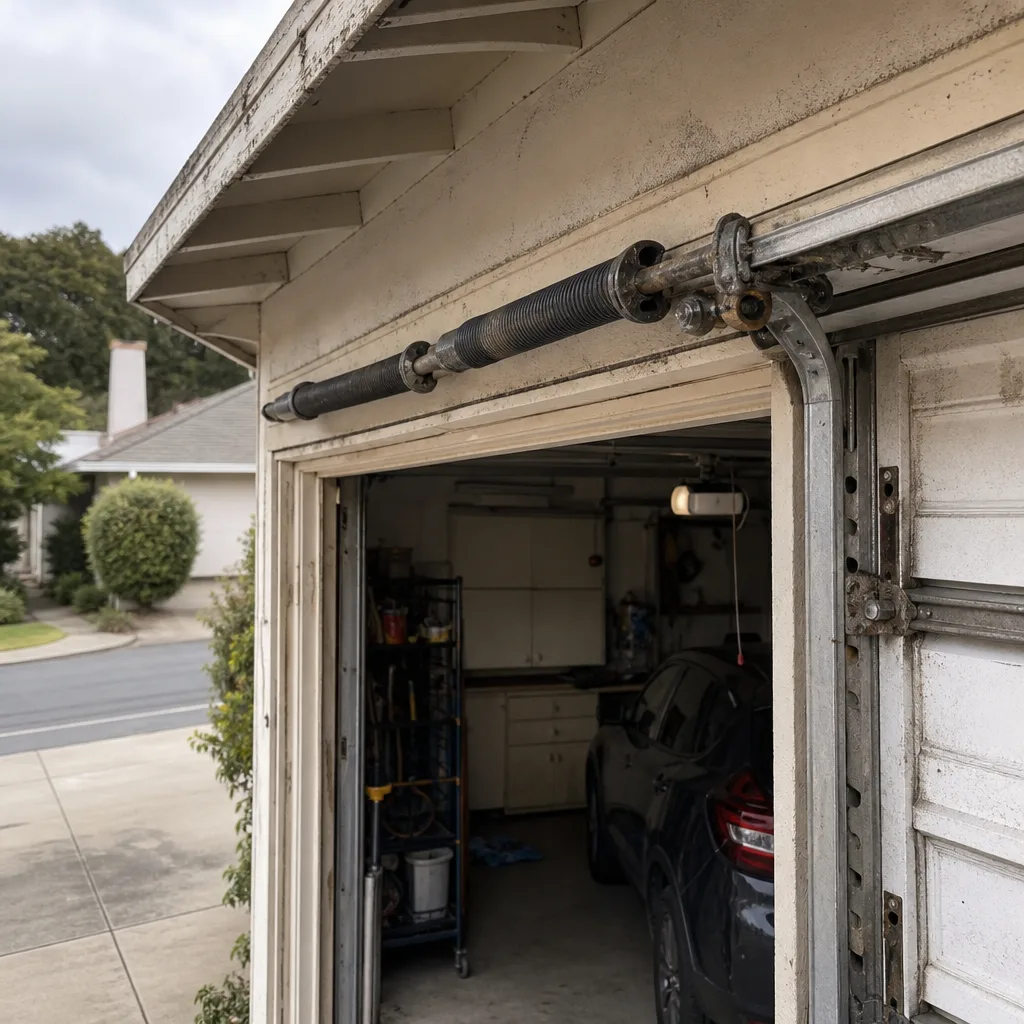 Before
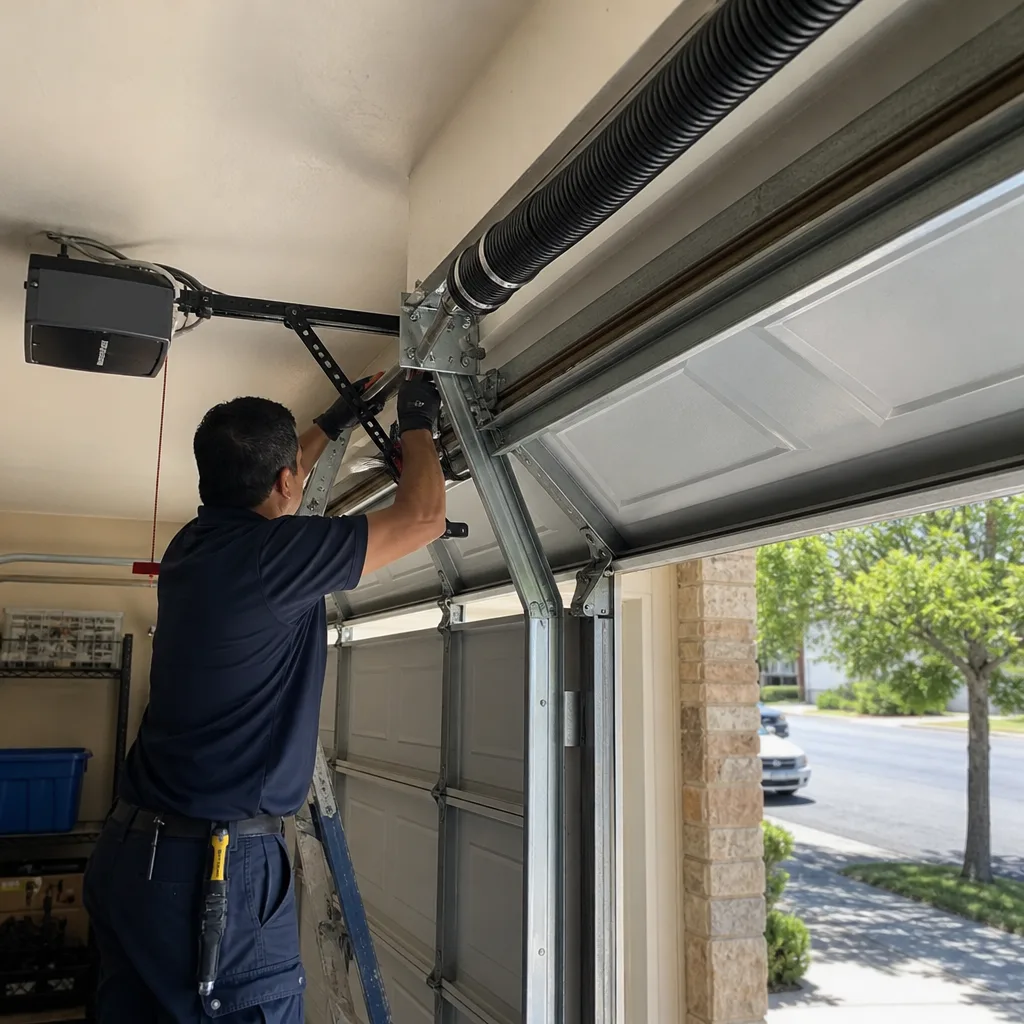 After
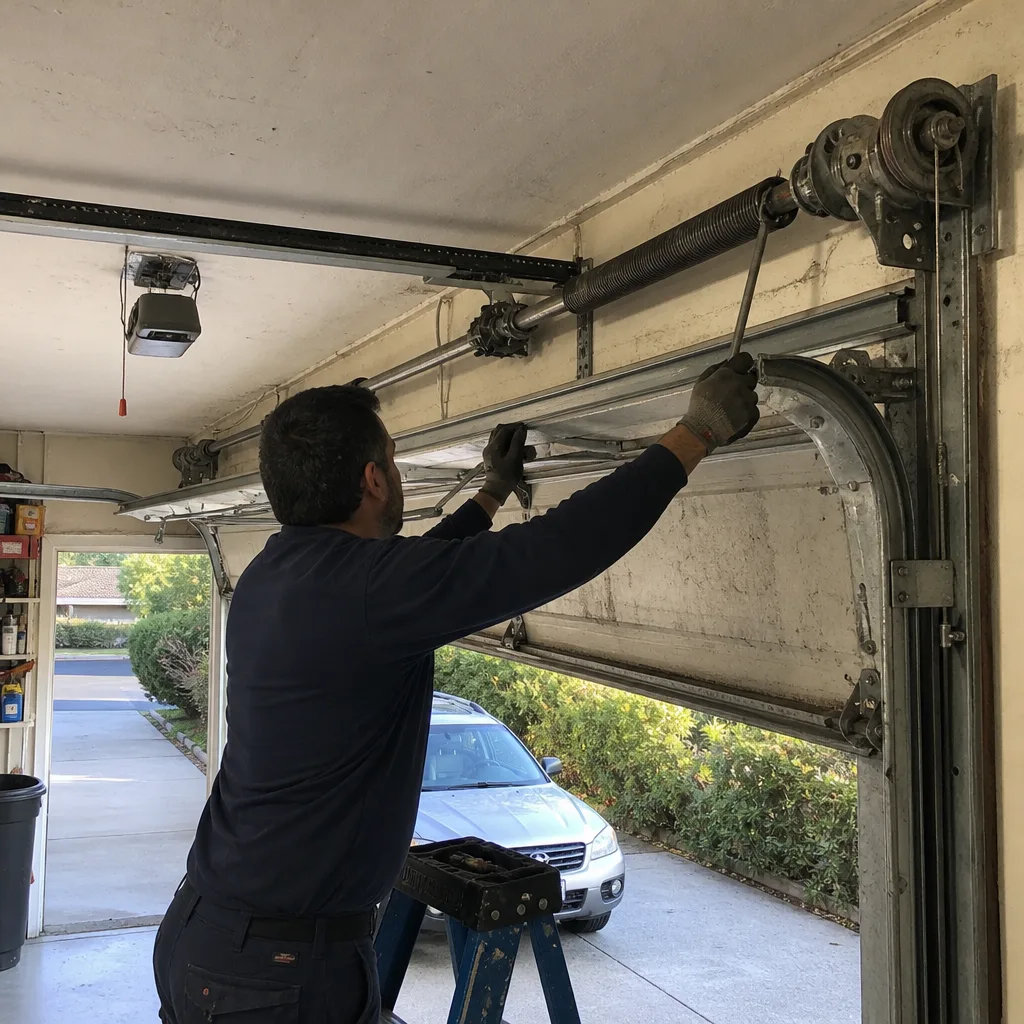 Before
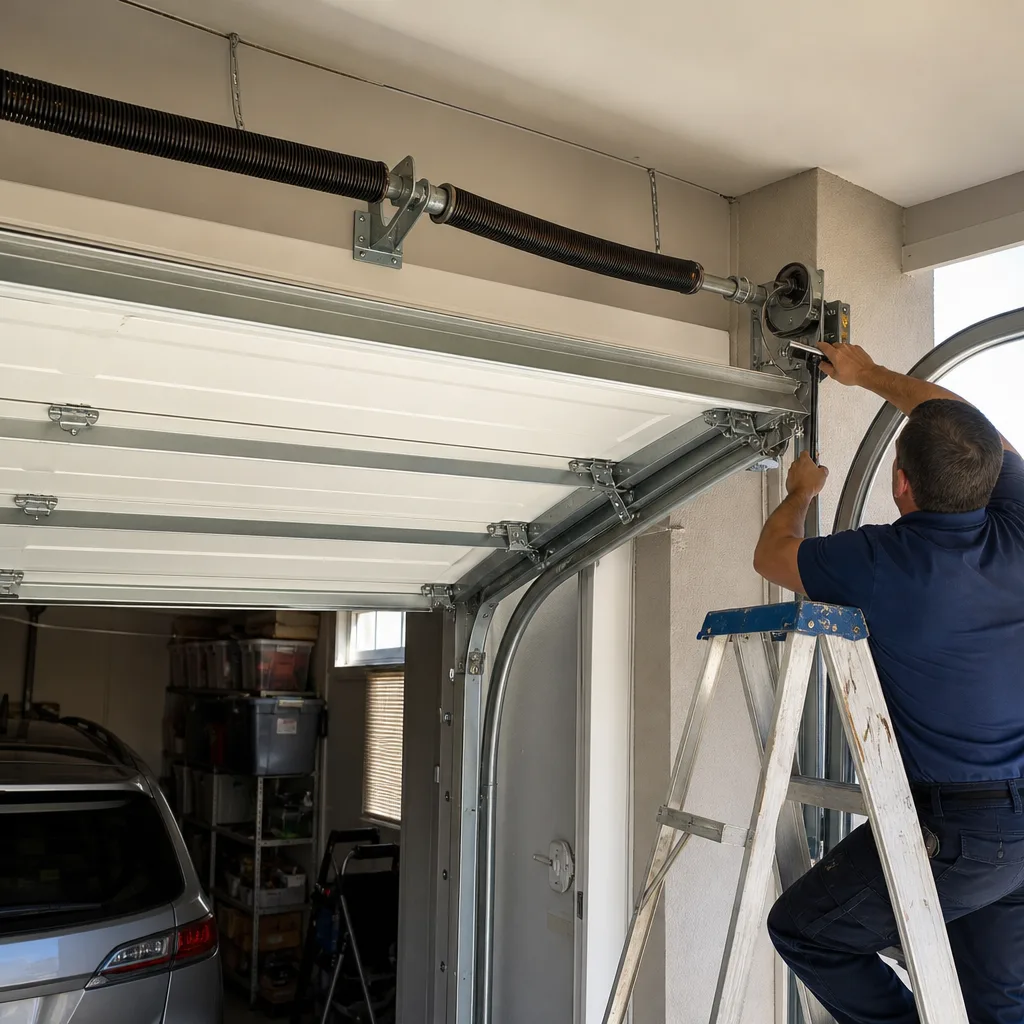 After
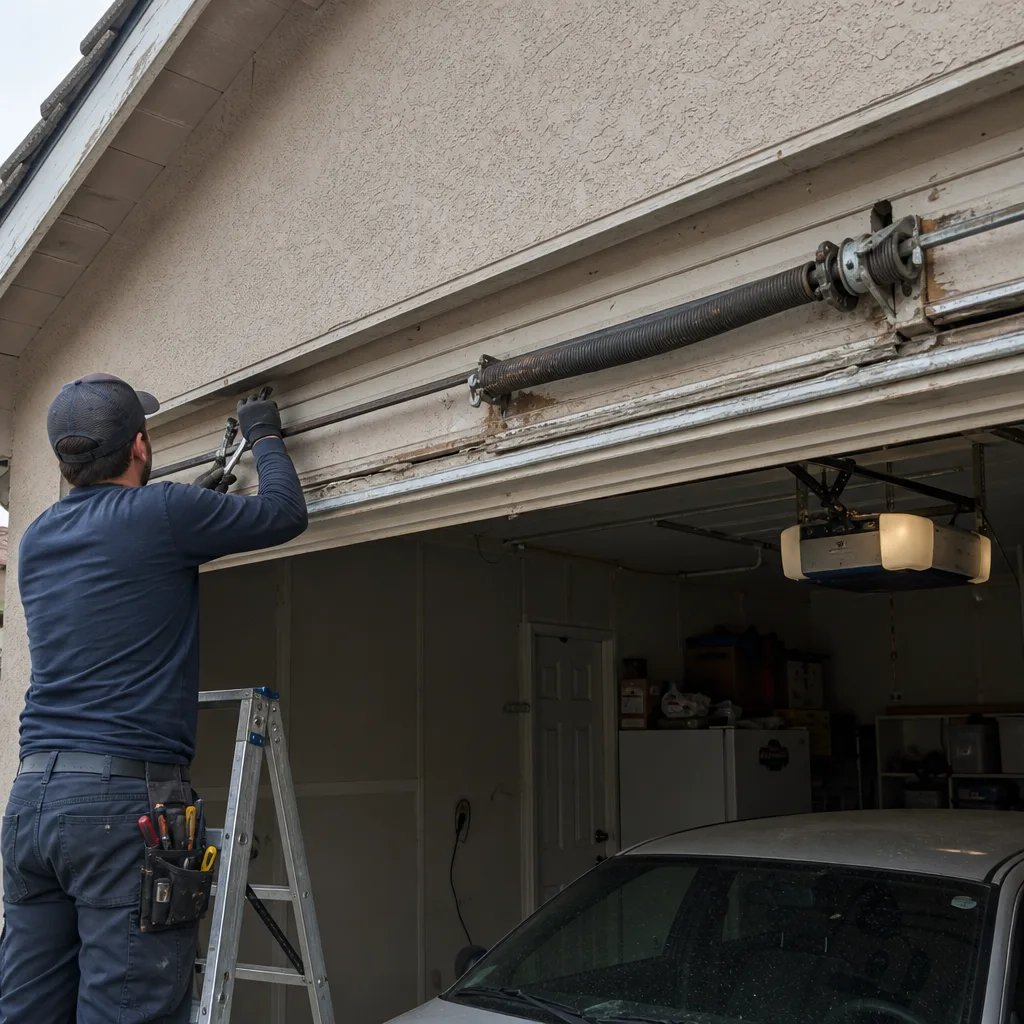 Before
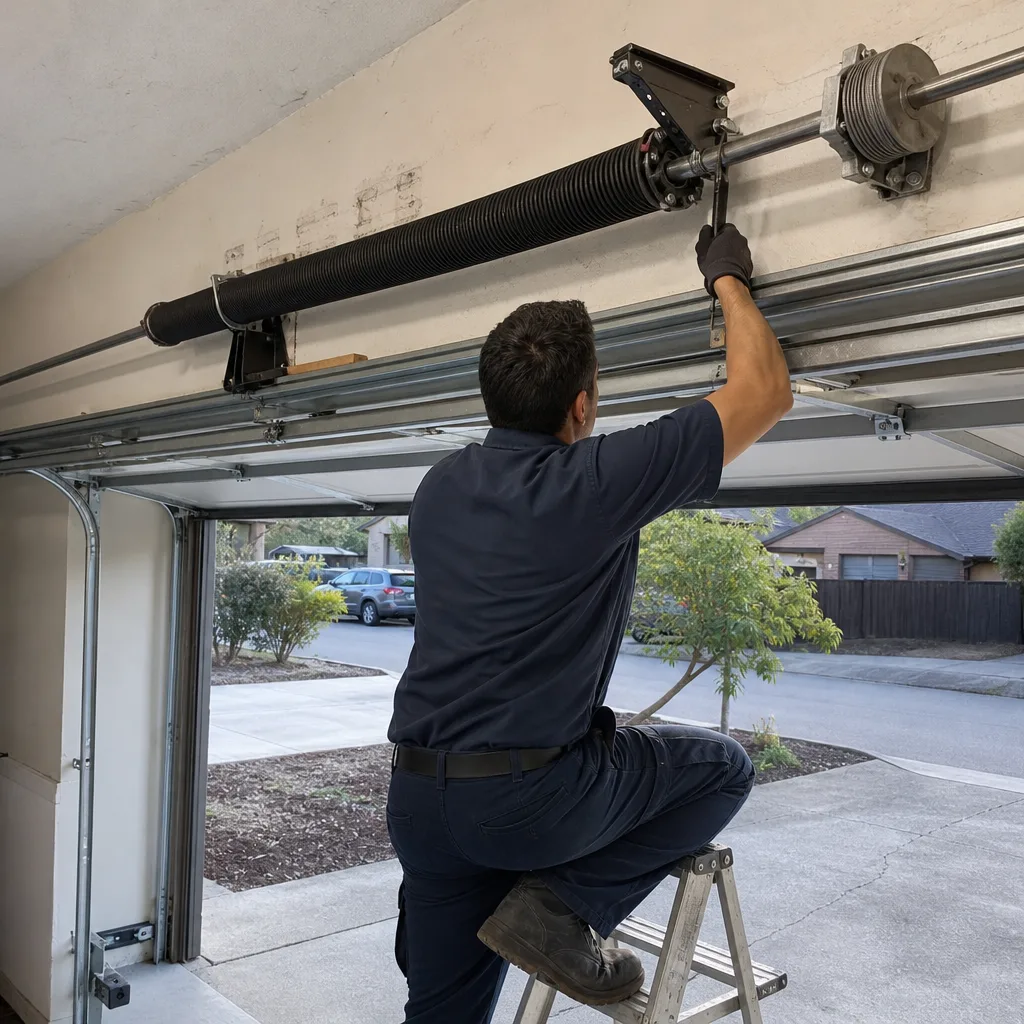 After
Frequently Asked Questions
Pull the red manual release cord hanging from the opener rail, then lift the door by hand using the handle or bottom rail. A properly balanced door lifts with moderate effort. If it feels excessively heavy or the release cord won’t pull, you have a mechanical issue that needs professional attention. For emergency garage door service, call Bluewater Garage Door Service at (833) 349-4780.
No. myQ and other smart-home features require the opener to have electricity. Unless you have a battery backup installed on the opener, remote operation fails during an outage. Your only option is the manual release cord until power returns. This is why battery backup is a strong consideration for evacuation-zone homes in Carmel Valley.
Battery backup add-on units for existing LiftMaster, Chamberlain, or Craftsman openers typically run $120 to $400 installed, depending on the specific model and whether wiring is already present. Genie battery backup units fall in a similar range. A full opener replacement with integrated battery backup starts around $500 and goes up from there based on features. Carmel Valley homes with belt-drive openers and smart-home integration should budget accordingly. Call (833) 349-4780 for a free estimate specific to your opener model.
Close the door manually to the fully closed position, pull the release cord toward the door to reset the trolley mechanism, then press the opener wall button once to re-engage the trolley. Verify the toggle or latch has clicked into place by attempting to lift the door. If it moves freely, repeat the re-engagement process. For homes with a manual slide lock, engage it after the door is closed for added security during prolonged outages.
Yes. Ash is alkaline and corrosive to painted steel and aluminum garage door finishes, and it forms an abrasive paste when mixed with track lubricant. Smoke residue can cause electrical shorts on opener logic boards. After a wildfire event near Carmel Valley, dry-clean the door and tracks, inspect all weatherstripping for heat damage, and check the opener for intermittent operation. Professional inspection is recommended if your home was within a few miles of the fire line.
Bluewater Garage Door Service is certified to work on eight major garage door and opener brands: LiftMaster, Chamberlain, Genie, Clopay, Amarr, Wayne Dalton, Craftsman, and Raynor. We work on your existing equipment, whether it’s a full door system or just the opener. The goal is to repair what’s there first, before recommending replacement. Call (833) 349-4780 to schedule a service visit in Carmel Valley.
The Bottom Line
Garage door emergency preparedness in Carmel Valley comes down to five things: know where your manual release cord is, test it twice a year, install a battery backup if you’re in an evacuation zone, understand how to re-secure the door after manual operation, and inspect the entire system after any nearby wildfire. These steps cost almost nothing and take under an hour to implement. The alternative, discovering your release cord is stuck during an evacuation with your car trapped inside the garage, is preventable. For homeowners in Carmel Valley, this preparation belongs on the same checklist as smoke detectors and fire extinguishers. Browse our more guides & resources for additional home protection tips. Start this weekend, not when the power goes out.
Written by the team at Bluewater Garage Door Service, serving Carmel Valley since 2013.