
Last updated November 2, 2026
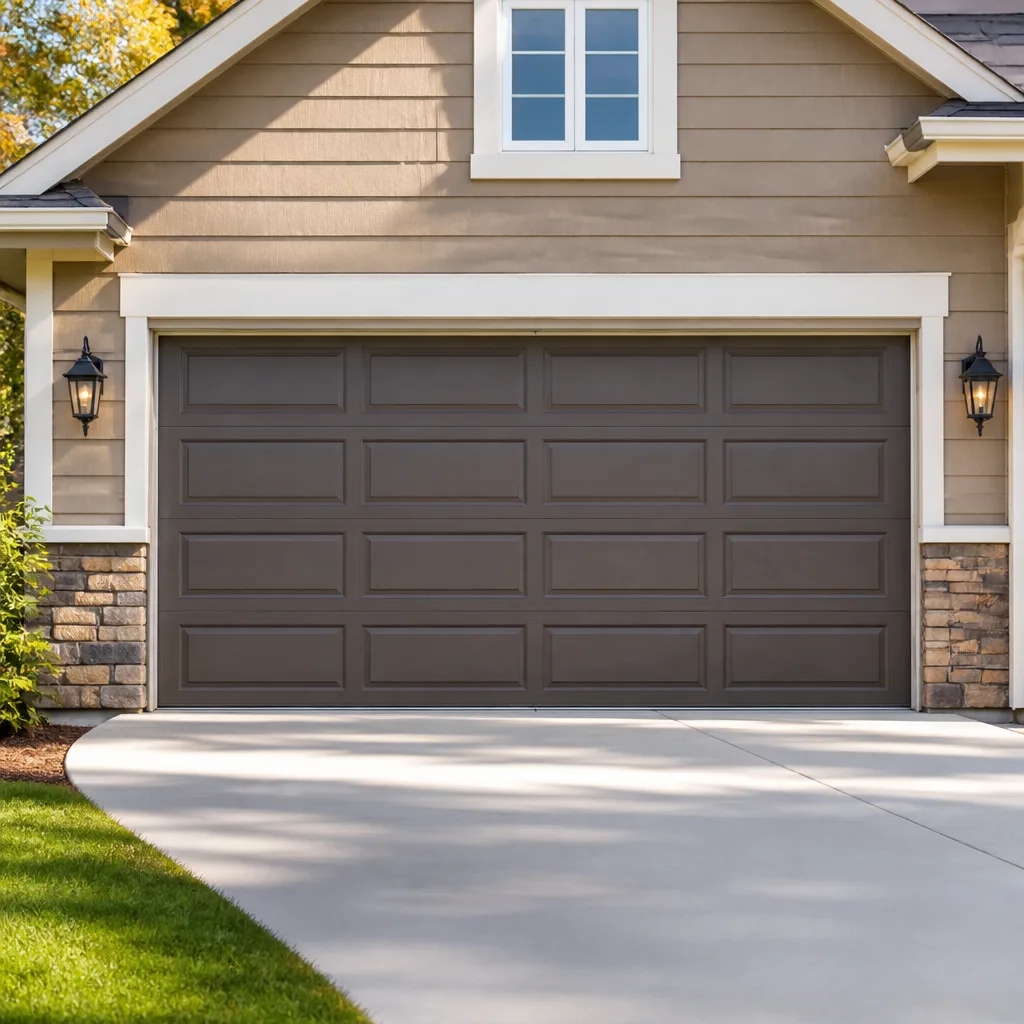 Raised-panel steel
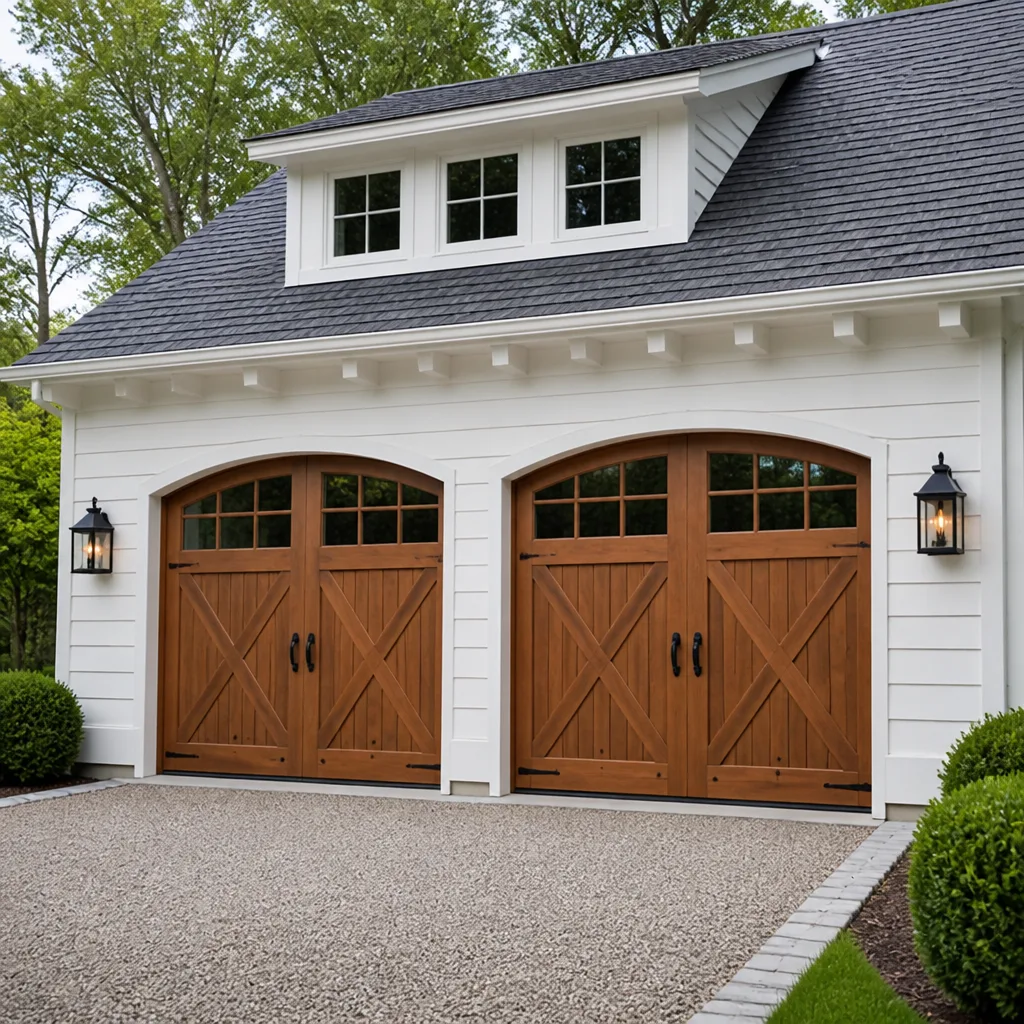 Carriage house
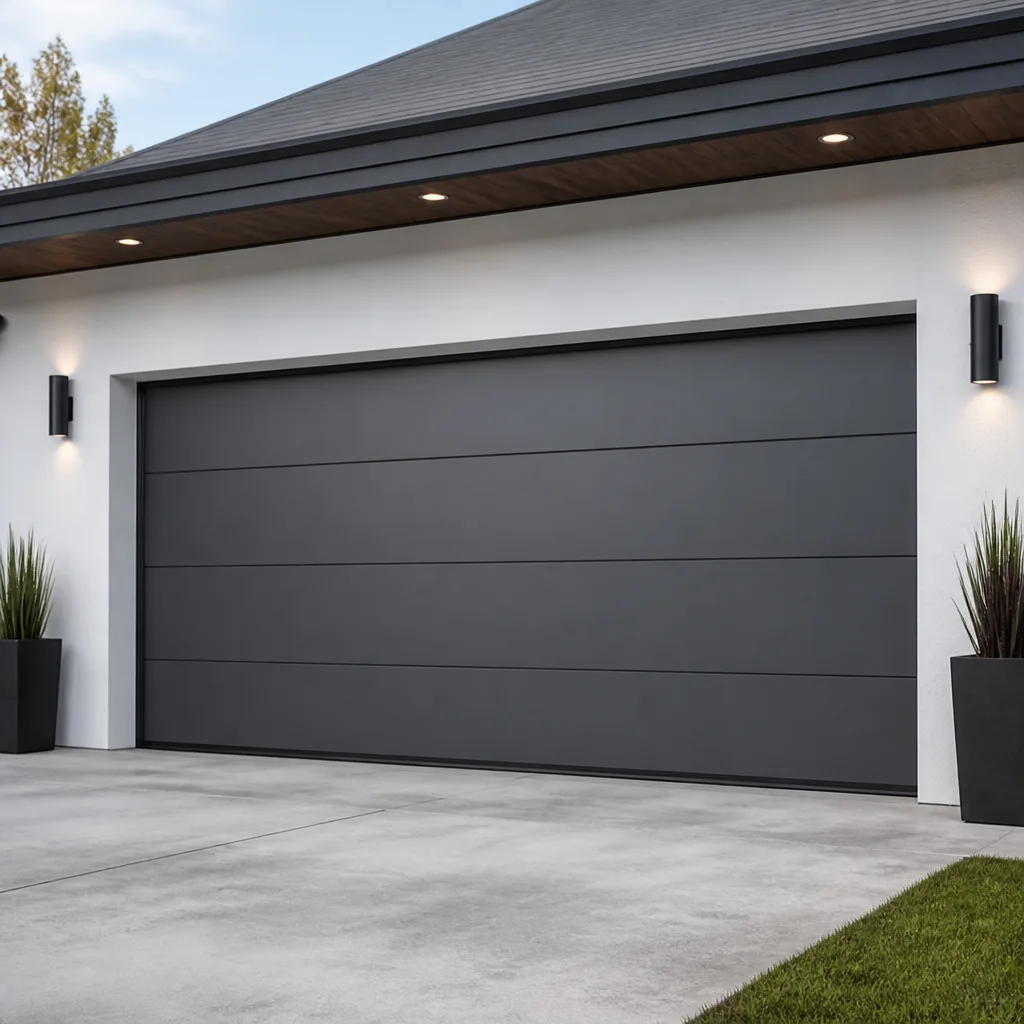 Modern flush
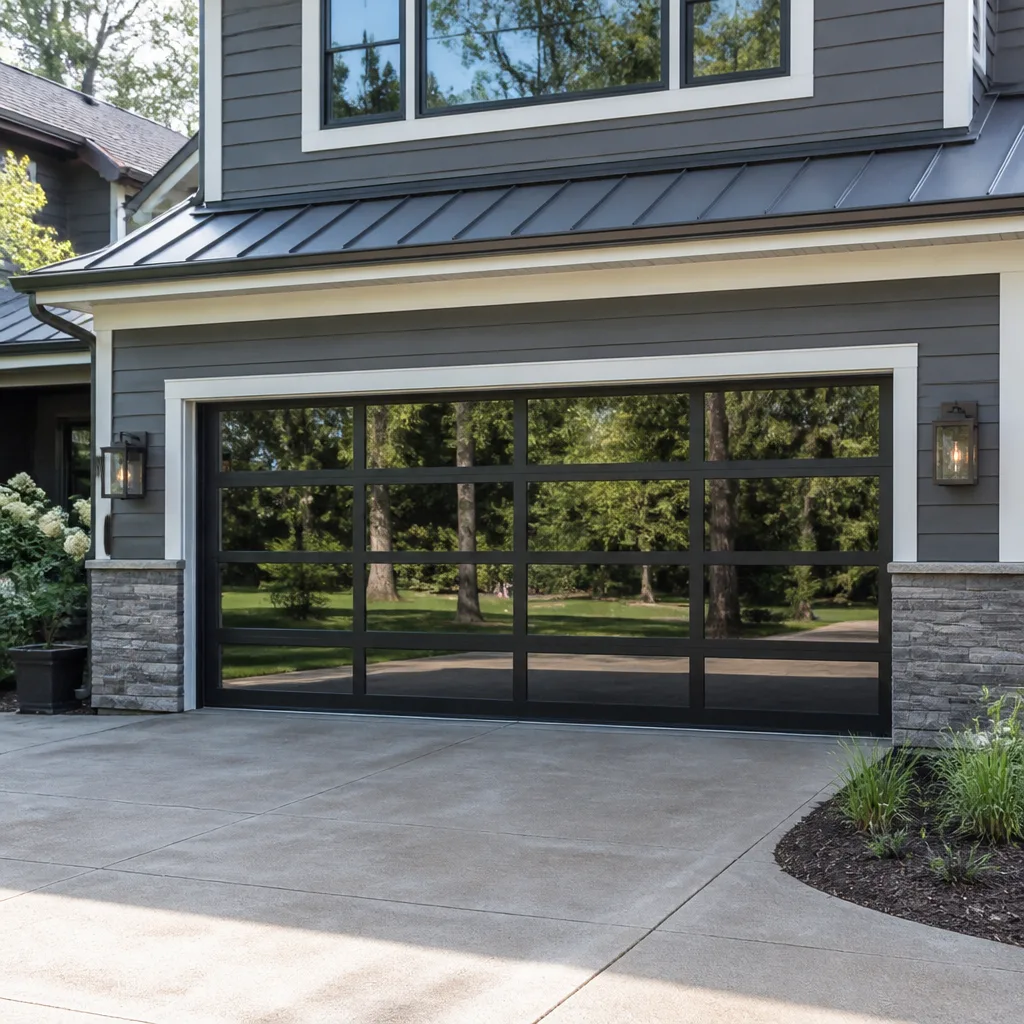 Full-view glass
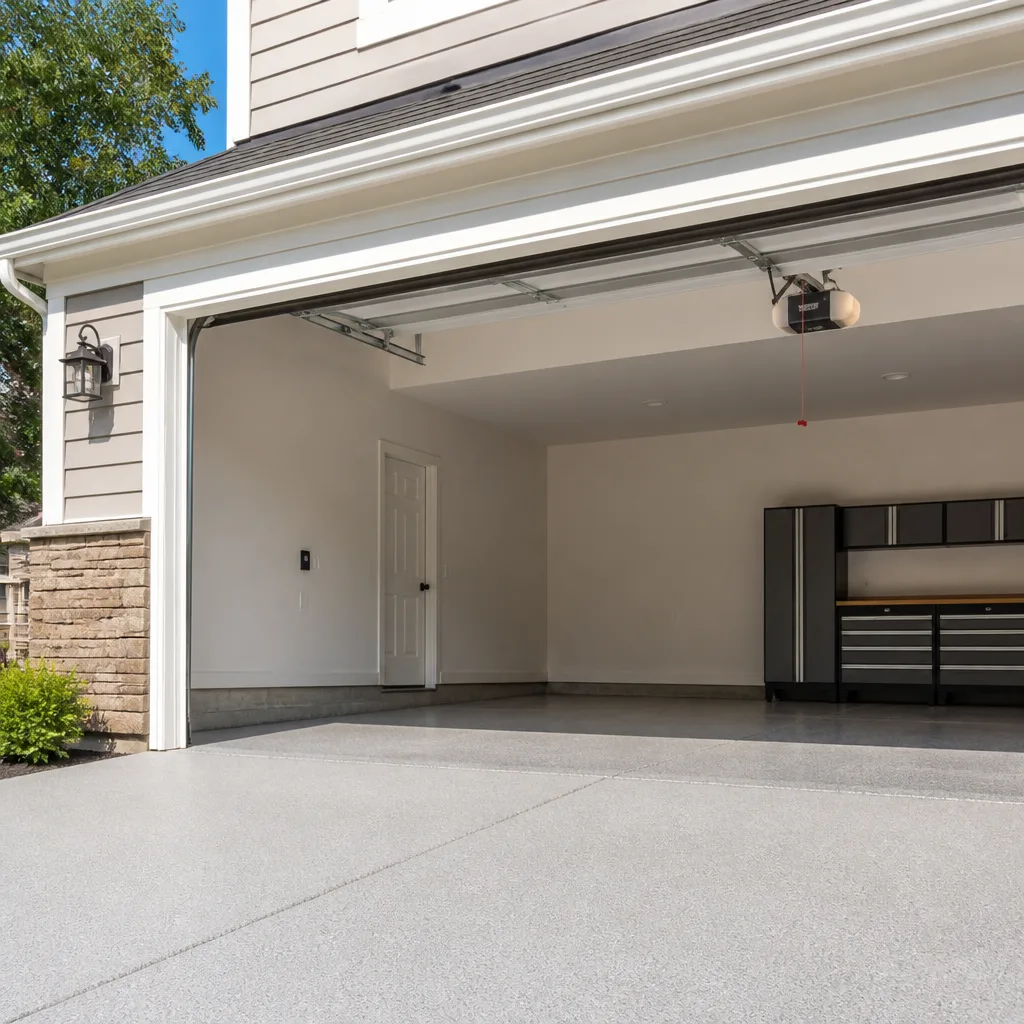 LiftMaster openers
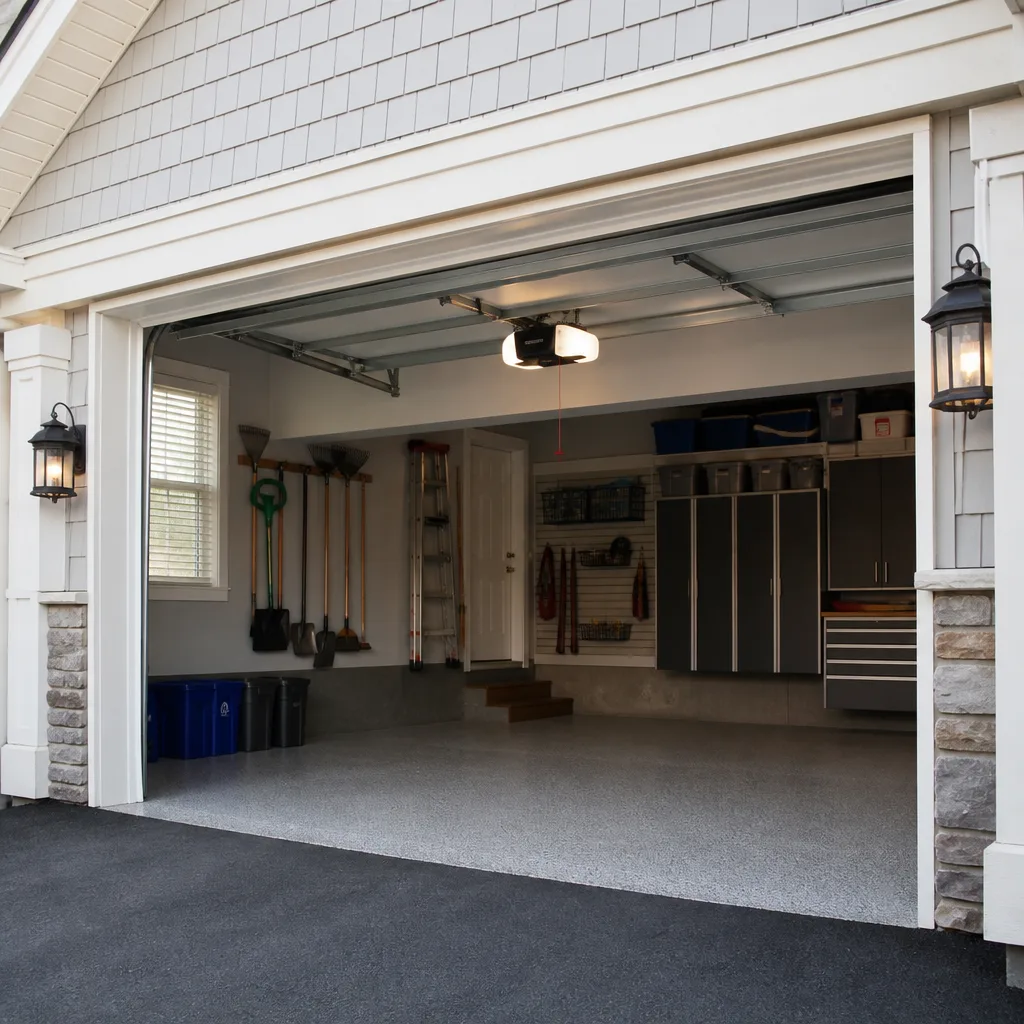 Chamberlain openers
Full 25-point door and opener safety check with every visit - springs, cables, rollers, tracks, and your LiftMaster or Chamberlain opener included
You get a price before we start. It does not change when the truck arrives.
Get your free estimateThe Complete Garage Door Repair Guide for Carmel Valley Homeowners
Most garage door failures in Carmel Valley aren’t random. They follow a predictable seasonal pattern tied to the valley’s June Gloom moisture cycles, the salt-laced air rolling in from the Pacific, and temperature swings that routinely exceed 30°F between a foggy 7 a.m. and a clear 3 p.m. We’ve spent years watching the same components fail in the same neighborhoods at the same time of year. This guide maps Carmel Valley’s specific environmental conditions to the exact parts they degrade, so you can spot trouble before it strands a car in the driveway or turns a $200 fix into a $2,000 replacement.
Styles & brands we work with
- Raised-panel steel
- Carriage house
- Modern flush
- Full-view glass
- LiftMaster openers
- Chamberlain openers
Quick Answer
Garage door repair in Carmel Valley typically falls into two buckets: mechanical issues (springs, cables, tracks, panels) and opener problems (motor failure, photo-eye misalignment, circuit board faults). Most repairs cost between $150 and $400 for common fixes, while full spring replacement on a double door runs $250 to $450. The single most important local factor is corrosion from fog and marine air, which shortens the lifespan of untreated steel components by two to three years compared to inland Monterey County locations.
Table of Contents
- Why Carmel Valley’s Climate Is Hard on Garage Doors
- The Components That Fail First (and Why)
- What’s Safe to Fix Yourself vs. What Needs a Pro
- Spring Replacement: The Most Common Repair We Handle
- Garage Door Opener Problems Specific to Carmel Valley
- A Seasonal Maintenance Calendar for Carmel Valley
- HOA Compliance: Documenting Repairs in Common-Interest Developments
- What Garage Door Repair Costs in Carmel Valley
Why Carmel Valley’s Climate Is Hard on Garage Doors
Carmel Valley sits in a fog belt that most generic repair guides never account for. The marine layer that blankets the valley from late spring through early fall doesn’t just dampen the air. It deposits a fine saline film on every exposed metal surface, including the galvanized hardware on your garage door. That film holds moisture against the steel long after the fog burns off, and it works its way into spring coils, cable strands, hinges, and roller bearings.
The temperature differential adds a second stressor. A garage door’s steel panels expand as the afternoon sun hits them, then contract sharply when the fog rolls back in around sunset. Over years, that daily cycle fatigues metal at the hinge points and can cause hairline stress fractures in spring coils. We see doors in the valley floor fog pockets age noticeably faster than identical models installed in the upper reaches where marine air doesn’t pool as heavily.
There’s also a UV story that changes block by block. South-facing garage doors absorb direct sunlight through most of the day. That heat accelerates the degradation of rubber weatherstripping and nylon rollers, which dry out and crack. North-facing doors escape the UV but stay damp longer after fog events, which means corrosion advances faster on hardware even when the panels look fine.
The Components That Fail First (and Why)
When we diagnose a garage door problem in Carmel Valley, the culprit is rarely random. Here’s the hierarchy of failure we see across the valley, from most to least frequent:
- Torsion springs – The single most common repair in Carmel Valley is torsion spring replacement. These springs counterbalance the weight of the door, and they’re under constant tension. Coastal air accelerates metal fatigue in the coil wire, and the daily temperature swing compounds it. A spring rated for 10,000 cycles in a dry climate might last 7,000 to 8,000 cycles here. When one breaks, it sounds like a gunshot in the garage. The average Carmel Valley homeowner will replace torsion springs once every six to eight years.
- Steel lifting cables – Cables fray strand by strand, and the first sign is often a door that jerks slightly as it moves or a visible kink near the bottom bracket. Salt air wicks into the cable wrap and corrodes the steel from the inside out. By the time you see external rust, the cable has lost significant tensile strength.
- Rollers – Most builders in Carmel Valley install standard steel rollers. They’re fine in dry climates but rust at the bearing surface here, which causes the door to grind and bind. Nylon rollers with sealed bearings last longer, but the nylon itself degrades under UV if the door faces south.
- Weatherstripping and bottom seals – The rubber seals at the door bottom and along the jambs dry out and crack from UV exposure. Once the bottom seal fails, fog and rain penetrate the garage, which then accelerates rust on every interior component.
- Photo-eye sensors – These are the small units mounted about six inches off the ground on either side of the door opening. They fail from moisture ingress and from being knocked out of alignment by foot traffic or bikes. When they fail, the door refuses to close and reverses repeatedly.
The pattern here is consistent: corrosion and thermal cycling drive most failures. That’s why maintenance matters more in Carmel Valley than it does even five miles inland. A $40 maintenance call that catches a rusted roller before it seizes can prevent a $300 track replacement later.
What’s Safe to Fix Yourself vs. What Needs a Pro
Some garage door fixes are genuinely DIY-safe. Others involve components under enough stored energy to cause serious injury. The dividing line matters, and it’s drawn by California law and basic physics, not by a service company trying to protect its revenue.
DIY-safe repairs
- Photo-eye alignment – If the door reverses immediately after touching the floor or won’t close at all, check the sensors. Their indicator lights should be solid, not blinking. Loosen the mounting wingnut, adjust the sensor until the light is steady, and retighten. Clean the lens with a dry cloth. This takes five minutes and requires no tools beyond a screwdriver.
- Track lubrication – Use a white lithium grease or silicone spray on the track itself and the roller hinges. Do this every four to six months in Carmel Valley, more often if your door faces the fog path. Don’t use WD-40 on rollers; it’s a solvent that strips lubrication, not a lubricant that adds it.
- Limit adjustment – If the door doesn’t close fully or reverses an inch off the ground with no obstruction, the travel limits on your opener may need dialing in. Most LiftMaster and Chamberlain units have adjustment screws on the side of the motor housing. Make quarter-turn adjustments, test, and repeat.
- Visual inspection – Once a month, look at the cables, springs, and rollers while the door is closed. You’re looking for frayed cable strands, gaps in spring coils, or rollers that hang at an angle. Catching these early makes the repair smaller.
Leave these to a trained professional
Torsion springs, extension springs, and lifting cables are under enough tension to cause severe injury or death if mishandled. A broken torsion spring can release suddenly during removal, and the winding bars used to install new springs become projectile weapons if they slip. California law doesn’t prohibit homeowners from working on their own springs, but it does hold them liable for code compliance, and the injury risk is well documented. This is one area where the savings from DIY simply aren’t worth the downside. The same applies to any repair that requires detaching the door from its cables or repositioning track brackets that bear the door’s full weight.
For context, we regularly see Carmel Valley homeowners who attempted a spring replacement with a YouTube tutorial and ended up with a door that won’t balance, a bent track assembly, or worse. The parts cost isn’t what makes spring replacement a professional job; it’s the stored kinetic energy and the precision required to tension the spring correctly. If your door has any issue involving springs or cables, call a company that does this work daily.
Spring Replacement: The Most Common Repair We Handle
If there’s one repair that defines garage door service in Carmel Valley, it’s torsion spring replacement. Here’s what you need to know before you make the call, because understanding the job protects you from being overcharged or under-served.
A torsion spring is a heavy coil mounted on a steel shaft above the door opening. It stores the energy needed to lift a door that weighs 130 to 250 pounds. When the spring breaks, the door becomes dead weight. Your opener motor isn’t designed to lift that weight alone, and forcing it will burn out the motor in weeks.
In Carmel Valley, spring replacement costs between $180 and $340 for a single spring on a standard residential door, and $250 to $450 for a double-spring setup. The exact number depends on the spring’s cycle rating, the wire diameter, and the door’s weight. We always quote the price before starting, and the number we quote is the number on the invoice. There’s no scenario where we discover the job is “bigger than expected” halfway through and surprise you with a higher number.
A quality spring replacement includes more than the coils themselves. The technician should inspect the cables and replace them if they show any fraying, because a weakened cable paired with new springs is a failure waiting to happen. They should also check the drums at each end of the shaft, lubricate the bearing plates, and test the door’s balance after installation. A balanced door should stay in place when opened halfway and released. If it drifts up or down, the spring tension is wrong, and the job isn’t finished.
One thing most homeowners don’t know: springs are rated in cycles, not years. A standard spring rated for 10,000 cycles will last about seven to ten years under normal use. High-cycle springs rated for 25,000 or 30,000 cycles cost more upfront but rarely need replacement during the time most people own their home. If you plan to stay in your Carmel Valley home for more than eight years, upgrade to the higher cycle rating when the time comes. The cost difference is modest, and you’ll avoid replacing the same spring twice.
Garage Door Opener Problems Specific to Carmel Valley
Garage door openers are electronic devices living in an environment that’s humid, frequently foggy, and subject to power fluctuations from Carmel Valley’s above-ground electrical infrastructure. That combination produces a specific set of failure patterns.
The most common opener failure we diagnose in Carmel Valley is moisture-related circuit board damage. Fog seeps into the motor housing through ventilation slots, condenses on the circuit board, and corrodes the solder joints over time. The board fails intermittently at first: the opener works fine for a week, then refuses to respond for an afternoon. Homeowners often assume the remote battery is dead, replace it, and still see the problem recur. That’s a circuit board issue, and it requires replacing the logic board, not the entire opener.
Photo-eye sensor faults are the second most frequent issue. Carmel Valley garages often double as storage for surfboards, bikes, and beach gear, and the sensors near the floor absorb regular impacts. Once a sensor is knocked out of alignment or its moisture seal is compromised, the door reverses on closing or refuses to close at all. This one’s usually a cheap fix if caught early, and it’s covered in the DIY section above.
Smart-home opener issues are a growing part of our work in Carmel Valley. Most newer homes in the valley have LiftMaster or Chamberlain openers with myQ integration, and the Wi-Fi module inside the opener loses its connection more often in homes where the garage is far from the router or where thick stucco walls block the signal. Before you replace a “failing” smart opener, check whether the myQ app itself is updated and whether the opener’s Wi-Fi signal strength is adequate. A $40 Wi-Fi extender in the garage solves more of these problems than a $400 service call.
If your opener is a Genie, we work on those too. The brand doesn’t matter for diagnosis; the failure points are similar across all major manufacturers, and Bluewater services all of them. The garage door opener repair in Carmel Valley guide covers opener-specific troubleshooting in more depth.
A Seasonal Maintenance Calendar for Carmel Valley
Generic maintenance advice says “lubricate your door twice a year” and leaves it at that. Carmel Valley’s weather doesn’t work that way. Here’s a calendar built around what actually happens in this valley, month by month.
June through August (Fog Season Peak)
This is when corrosion pressure peaks. The marine layer sits over the valley through the morning, burns off by midday, and returns by evening. Metal surfaces go through a daily wet-dry cycle that accelerates oxidation.
- Inspect cables and springs for surface rust every two weeks. Early rust looks like a light brown dusting; treat it with a dry lubricant before it penetrates.
- Lubricate rollers, hinges, and the spring coils every six weeks during these months. Fog season demands more frequent lubrication than the rest of the year.
- Check the bottom seal after heavy fog mornings. If condensation drips down the door interior, the seal is compromised, and warm daytime air is carrying moisture into the garage.
September through November (Dry Season)
The fog retreats, but the temperature swings remain. September in Carmel Valley can bring 40-degree swings between night and day, and that thermal cycling stresses metal components.
- Test the door’s balance by disconnecting the opener and lifting the door manually. It should move smoothly and stay in place at the halfway point. If it’s heavy, the springs are losing tension.
- Inspect the weatherstripping around the door perimeter. Summer UV has already done its damage by now, and replacement before winter rains arrive is cheaper than replacing the bottom panel after water intrusion.
- Run the opener through a full open-close cycle and listen for grinding, squealing, or hesitation. Unusual sounds that weren’t there in spring indicate a roller failure or a motor that’s working harder than it should.
December through February (Rain Season)
Winter storms hit the valley with real rain, and water intrusion is the theme.
- After each significant storm, check the garage floor for water seepage at the door edges. Standing water accelerates rust on the track brackets and door hardware.
- Watch for the door sticking or binding on cold mornings, especially if you live in the upper valley where overnight temperatures drop toward freezing. Cold contracts metal, and a door that’s close to misaligned will bind in the cold.
- Keep the photo-eye lenses clean. Winter road grime and storm splash fog the lenses and trigger phantom reversals.
March through May (Transition Season)
This is the best time for a full professional inspection. The weather is mild, the door isn’t under seasonal stress, and issues discovered now can be fixed before fog season returns.
- Schedule a full inspection that covers springs, cables, rollers, hinges, tracks, opener force settings, and balance. A thorough inspection takes 45 minutes and catches failures before they happen.
- Consider high-cycle spring replacement if your current springs are more than six years old. Doing this proactively, on your schedule, is far better than dealing with a snapped spring on a foggy Monday morning.
HOA Compliance: Documenting Repairs in Common-Interest Developments
A significant portion of Carmel Valley’s housing stock sits within HOAs and common-interest developments. When your garage door needs work that changes its appearance, or when the door is attached to a shared wall, your HOA’s architectural guidelines likely apply. Here’s how to document a repair so the HOA process doesn’t add weeks to your timeline.
First, distinguish between repair and replacement in the HOA’s terms. Most HOAs regulate what’s visible from the street but don’t require approval for internal mechanical repairs like spring replacement, opener swaps, or track work. If the work happens entirely inside the garage and the door’s external appearance is unchanged, you generally don’t need architectural review. Keep the work order and the technician’s notes anyway; they’re useful records if a neighbor raises a question.
If the repair requires panel replacement, repainting, or any change to the door’s exterior surface, you need to check your HOA’s paint and materials schedule before work begins. Carmel Valley HOAs typically require that replacement panels match the existing door in color, material, and style. Many HOAs maintain an approved finish list, and some require that the replacement door match the architectural style of the community, not just the previous door.
Photograph the door before and after any exterior work. Document the existing condition, the component being replaced, and the final result. If your HOA requires approval, submit the photos as part of the application. If a dispute arises later, the photographic record plus the work order from your garage door company resolves it quickly.
One local wrinkle: Carmel Valley is home to several communities with detached garages that face shared driveways or common areas. In these developments, even internal mechanical work can trigger HOA notice requirements if the work requires staging equipment in a shared space or generates noise during quiet hours. Check your community’s rules for work-hour restrictions, which typically prohibit noisy work before 8 a.m. or after 6 p.m. on weekdays.
What Garage Door Repair Costs in Carmel Valley
The prices below reflect what we see across Carmel Valley for standard residential work. These are real market ranges for this area, not national averages. Your specific cost depends on your door’s size, brand, age, and condition, but this gives you a working budget.
| Repair Type | Typical Range in Carmel Valley | Notes |
|---|---|---|
| Torsion spring replacement (single) | $180 – $340 | Price varies by spring cycle rating and door weight |
| Torsion spring replacement (double) | $250 – $450 | Both springs should typically be replaced together |
| Lifting cable replacement (pair) | $150 – $250 | Often done alongside spring replacement |
| Roller replacement (10 rollers) | $120 – $180 | Nylon rollers cost slightly more than steel |
| Track realignment | $125 – $225 | Price depends on extent of misalignment |
| Photo-eye sensor repair or replacement | $95 – $175 | Alignment issues may be DIY-fixable |
| Weatherstripping replacement | $90 – $160 | Bottom seal plus side seals |
| Opener circuit board replacement | $150 – $300 | Often cheaper than full opener replacement |
These numbers reflect what you should expect from a reputable company in Carmel Valley. Prices below the bottom of these ranges generally signal either inferior parts or a technician who plans to upsell you during the visit. Prices well above these ranges usually include markup for things you don’t need. Before any work starts, you get a written price, and that price is the price. We don’t change quotes after we’ve started the job, and we don’t recommend work that isn’t necessary.
Our garage door repair in Carmel Valley service page has more detail on what’s included with each repair type. If you’re considering a full door replacement instead of repairing what you have, the garage door installation in Carmel Valley guide walks through the process and what to expect for pricing.
Common Mistakes to Avoid
- Forcing the opener to lift a door with a broken spring – The opener motor isn’t designed for that load, and repeated attempts burn out the motor and strip the gears. If your door won’t lift manually, don’t make it worse by pushing the wall button.
- Using WD-40 on rollers and hinges – WD-40 is a penetrating solvent, not a lubricant. It strips away protective coatings and leaves metal surfaces vulnerable to the very corrosion it’s meant to prevent. Use white lithium grease or silicone spray instead.
- Replacing only one spring when both are worn – Springs wear at roughly the same rate. If one breaks, the other is close behind, and the labor to replace both at once is nearly the same as replacing one. You’ll pay less in the long run by doing both together.
- Ignoring a squeaky door – In Carmel Valley, a squeak is often the first audible sign of a rusted roller or dry hinge. It’s cheaper to address the noise than to replace the component after it fails completely.
- Postponing weatherstripping replacement – A cracked bottom seal is an open invitation for fog and rain to enter the garage, which accelerates rust on everything inside. A $100 seal replacement prevents hundreds in downstream corrosion damage.
- Assuming the opener is dead when the remote doesn’t work – Check the photo-eye sensors first. Half the “dead opener” calls we field in Carmel Valley are just misaligned or dirty sensors, and the fix is free.
- Skipping the annual inspection because “it works fine” – Most catastrophic garage door failures give warning signs weeks or months before they happen. A trained eye spots those signs. The door that “worked fine yesterday” and snapped a spring this morning usually had visible fatigue cracks for weeks.
When to Call a Professional
Call a professional when the problem involves springs, cables, track alignment, or any component under mechanical tension. These systems store enough energy to cause serious injury if handled incorrectly, and the precision required for proper repair isn’t something most homeowners can achieve from a video tutorial. Call also when the door is off-balance, when it makes grinding noises that persist after lubrication, or when the opener fails intermittently in ways that suggest a circuit board issue. If you’ve tried the DIY fixes above and the problem persists, or if you simply don’t have the time or inclination to diagnose it yourself, that’s a legitimate reason to bring in a pro. Bluewater Garage Door Service offers free estimates in Carmel Valley. Call (833) 349-4780 and we’ll give you a straight answer about what’s wrong and what it costs.
Frequently Asked Questions
Most garage door repairs in Carmel Valley cost between $150 and $400. Torsion spring replacement, the most common repair, runs $180 to $340 for a single spring and $250 to $450 for both. Minor fixes like photo-eye realignment or lubrication are under $100. For an exact quote on your specific door, call (833) 349-4780. Estimates are free, and the price is locked before any work starts.
Most repair calls in Carmel Valley can be completed the same day, especially for spring and cable failures that leave a door inoperable. These are the repairs we prioritize because a door that won’t close leaves your home unsecured. Call (833) 349-4780 and we’ll tell you what’s available on the schedule.
Yes. We service Genie openers along with LiftMaster, Chamberlain, Craftsman, and the other major brands. Our technicians are trained on the full range of residential opener electronics, so the brand doesn’t limit what we can diagnose and fix. The garage door opener repair in Carmel Valley page covers opener-specific issues.
No. The price we quote before starting is the price you pay when the job is done. If we discover an additional issue during the repair, we stop work, show you what we found, and get your approval before proceeding. There’s no scenario where you’re surprised with a higher invoice at the end of the visit. Call (833) 349-4780 for a free estimate.
In Carmel Valley’s fog and salt-air environment, a standard torsion spring rated for 10,000 cycles typically lasts six to eight years, compared to nine to eleven years in drier inland locations. High-cycle springs rated for 25,000 cycles or more usually last the duration of most homeowners’ tenure in the house. The shorter lifespan here is driven by corrosion and thermal cycling, not manufacturing defects.
For internal mechanical repairs like spring replacement or opener work, you generally don’t need HOA approval. For exterior changes like panel replacement or repainting, most Carmel Valley HOAs require architectural review. Check your community’s guidelines before ordering exterior work. We can provide the documentation and photos most HOAs require for repair records.
Repair is the right call when the door’s structure is sound and the failure is in a replaceable component like springs, cables, rollers, or the opener. Replacement makes sense when the door panels are rusted through, the track system is bent beyond repair, or the total cost of repairs exceeds half the cost of a new door. We always assess the existing door first. If it can be fixed, that’s our recommendation. We don’t push replacement when repair serves you better. The garage door installation in Carmel Valley page covers the replacement decision in depth.
The Bottom Line
Garage doors in Carmel Valley fail in predictable ways, and nearly all of those failures trace back to the valley’s specific climate: fog-born moisture, salt air, and wide daily temperature swings. The components that fail first are springs, cables, rollers, and weatherstripping, all of which can be caught early with regular inspection and addressed cheaply before they cascade into bigger problems. Know what you can safely fix yourself, call a professional for anything involving tension or weight-bearing components, and don’t skip the seasonal maintenance that Carmel Valley’s weather demands. A garage door that’s inspected and maintained costs far less to own than one that’s ignored until something breaks.
Ready for a straight answer about your door? Call (833) 349-4780 for a free estimate. We work on your brand, we repair before we replace, and we give you the full system view: door, opener, springs, tracks, and all.
Written by the team at Bluewater Garage Door Service, serving Carmel Valley since 2013.
See the difference
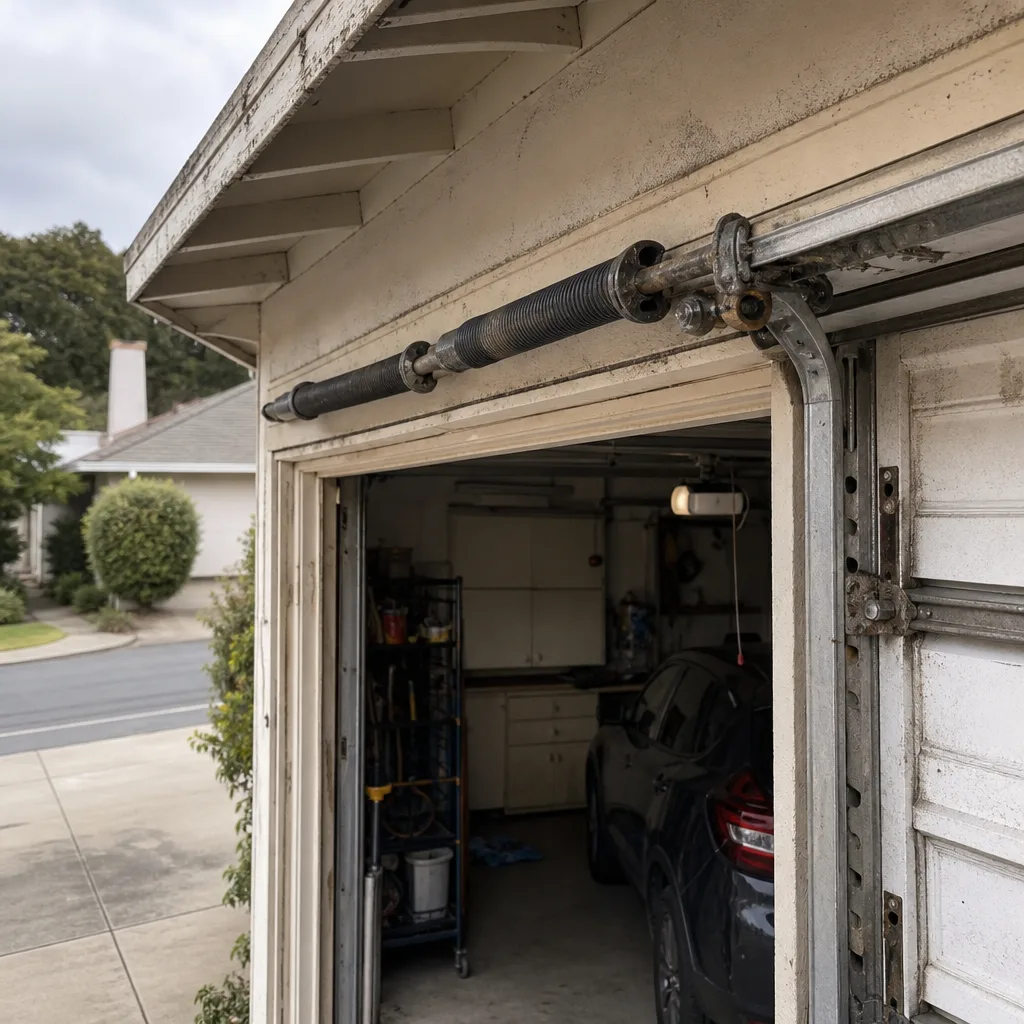 Before
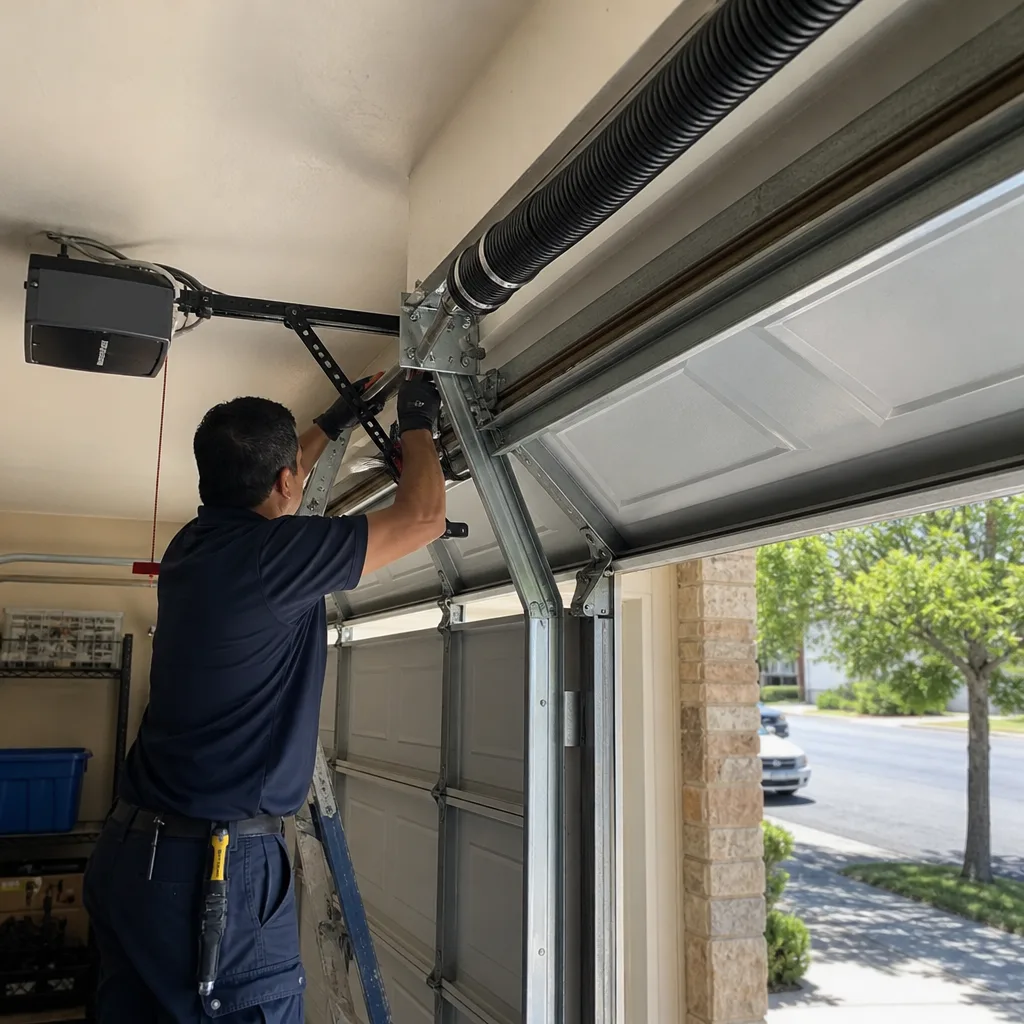 After
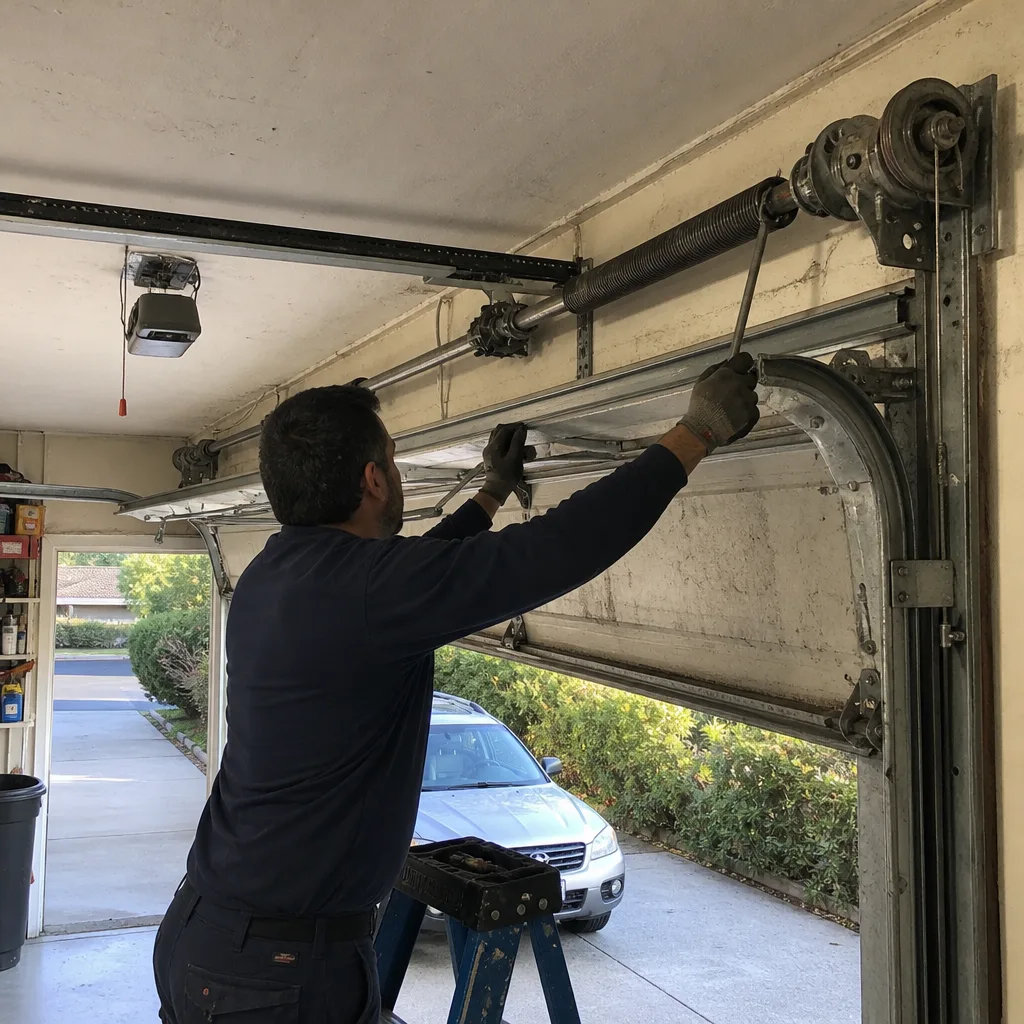 Before
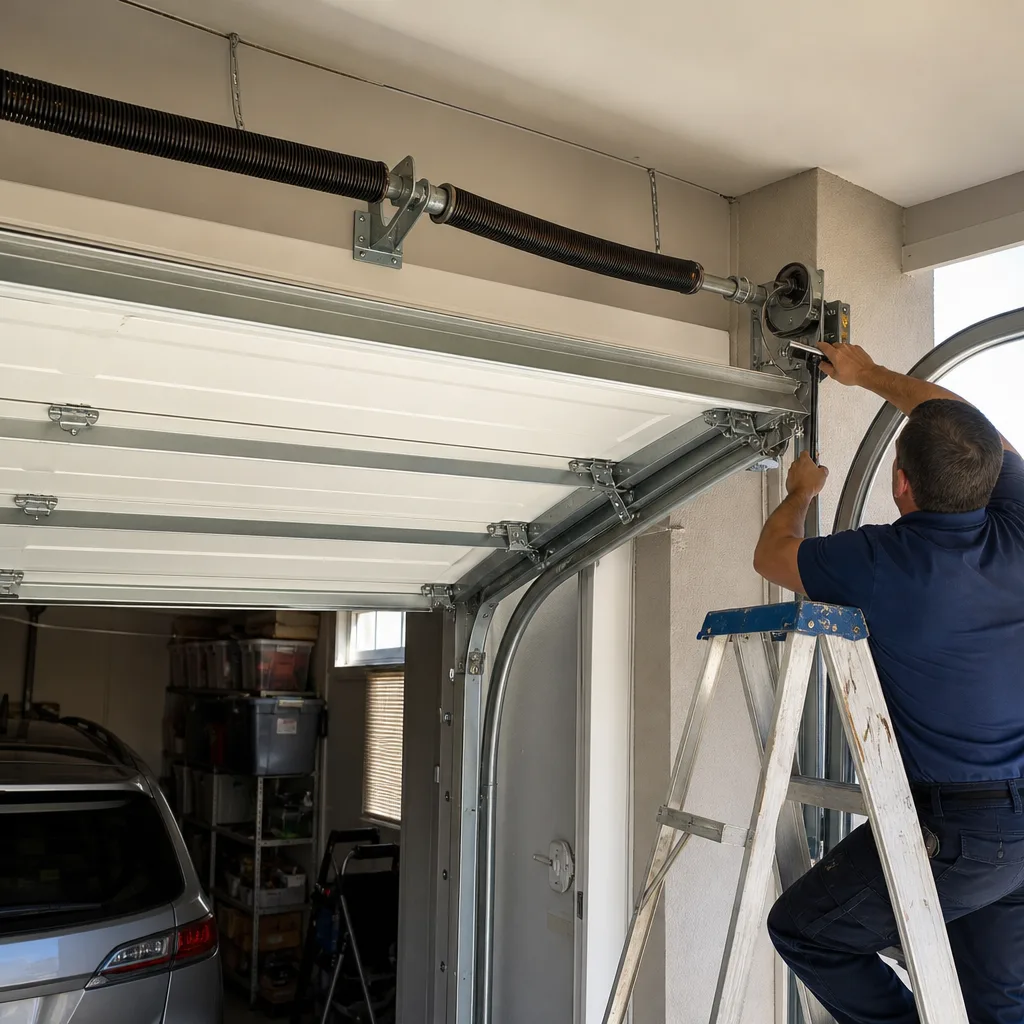 After
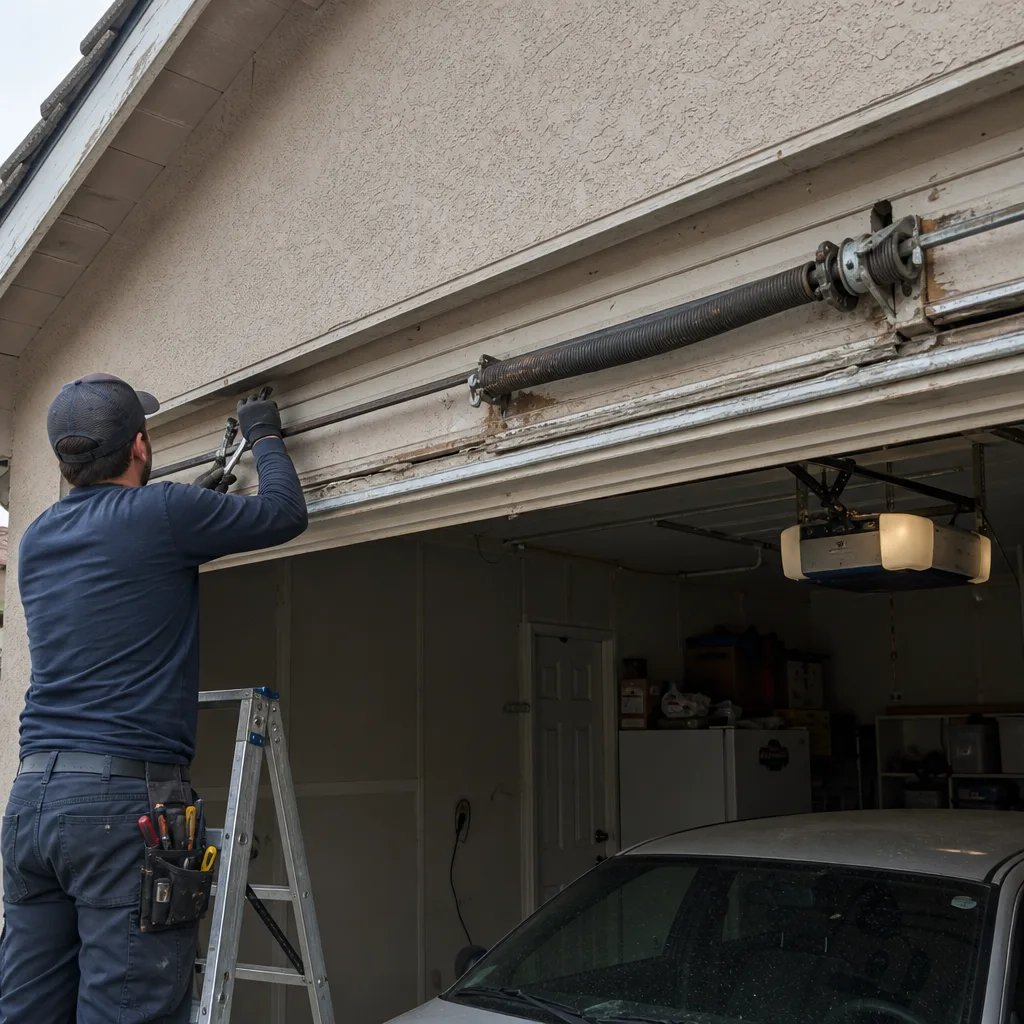 Before
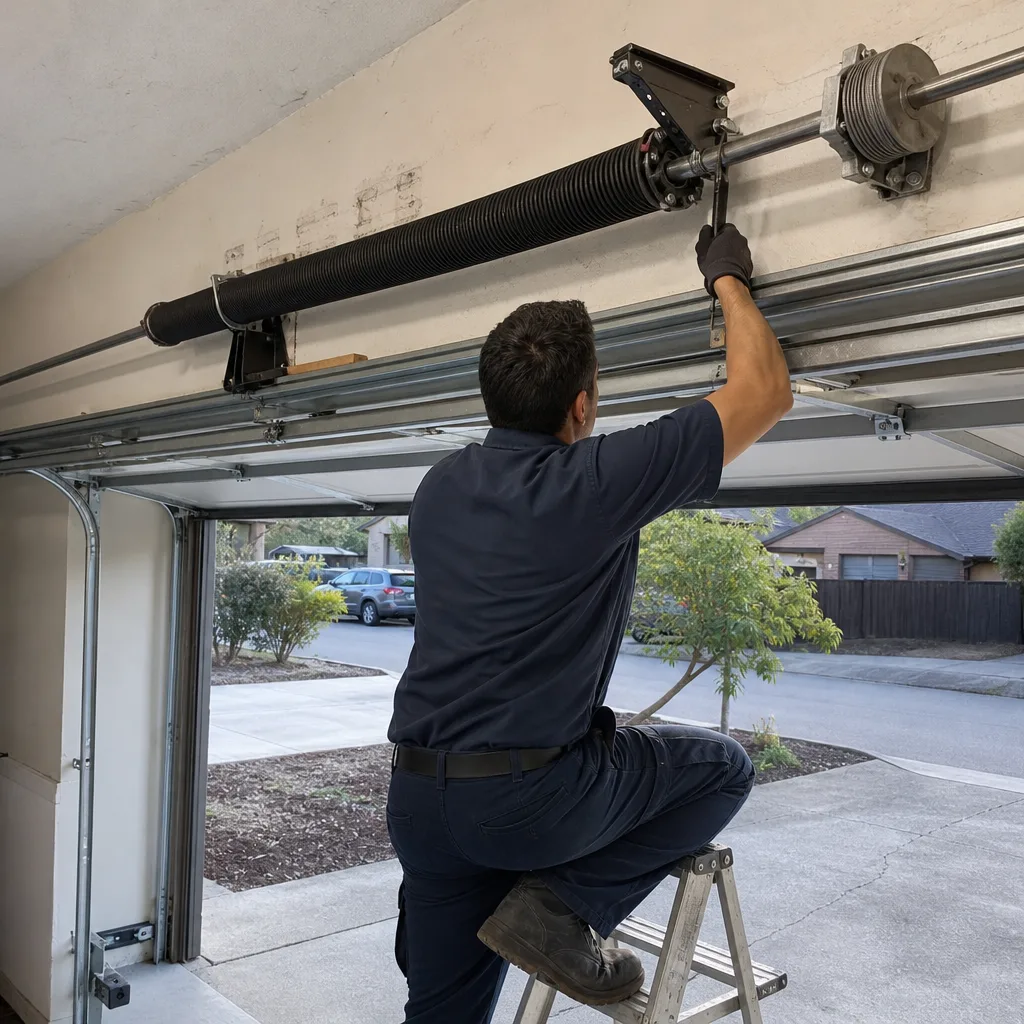 After